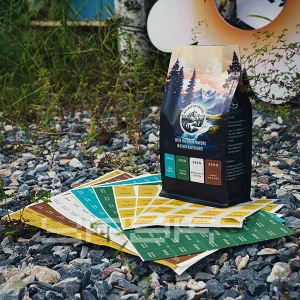
Precision-engineered flexible foil pouches, compostable barrier films, and bag-in-box systems designed for maximum food preservation.
A comprehensive analysis of global demand, material engineering shifts, and supply chain strategies in flexible food packaging.
The global demand for high-barrier flexible packaging in the food sector is experiencing unprecedented growth, driven by changes in consumer lifestyle, extended retail supply chains, and stringent food safety protocols. Food spoilage caused by oxygen ingress, moisture absorption, UV degradation, and volatile aromatic loss accounts for billions of dollars in annual losses across the global food processing industry. Aluminum foil bags—engineered through complex multi-layer lamination—remain the definitive gold standard for achieving absolute barrier protection.
As food brands scale distribution internationally, procurement officers face complex trade-offs between extending shelf-life, minimizing packaging weight to cut freight carbon emissions, and complying with stringent regional eco-mandates such as the European Union’s Packaging and Packaging Waste Regulation (PPWR) and US FDA direct food-contact directives.
B2B enterprise buyers are shifting away from legacy rigid containers (glass jars, metal cans) toward high-performance flexible foil laminates. Flexible foil pouches deliver up to an 80% reduction in tare weight and a 70% reduction in unfilled transport volume, drastically altering freight economics.
However, securing a reliable China foil bags for food manufacturer requires evaluating technical capabilities beyond basic converting. Enterprise buyers demand precise seal integrity, zero micro-pinholing in foil substrates, solvent-free adhesive processing, and verified batch-to-batch consistency. Sourcing strategies now prioritize manufacturers that combine smart Industry 4.0 automation with international quality certifications.
Understanding the structural mechanics, permeability rates, and performance parameters of advanced foil laminates.
High-barrier packaging relies on precise material science. Pure aluminum foil (AL) offers an absolute barrier against oxygen, moisture, light, and aroma when its thickness exceeds 7–9 microns. However, aluminum foil lacks structural elasticity and thermal sealability. Consequently, modern food packaging utilizes multi-layer composite structures engineered via dry or solvent-free lamination technology.
Selecting the right foil bag structure requires matching the barrier properties to the degradation sensitivity of the target food product:
| Laminate Structure | OTR (cc/m²/24h @ 23°C, 0% RH) | WVTR (g/m²/24h @ 38°C, 90% RH) | Puncture Resistance (N) | Primary Food Applications |
|---|---|---|---|---|
| PET / AL / PE (Standard 3-Ply) | < 0.05 | < 0.05 | > 25 N | Roasted coffee beans, powdered milk, dried spices, tea. |
| PET / AL / NY / CPP (Heavy Duty) | < 0.01 | < 0.01 | > 55 N | Retort processing, ready-to-eat meals, bone-in meat, liquids. |
| Kraft Paper / AL / PE (Eco-Aesthetic) | < 0.05 | < 0.05 | > 30 N | Artisanal coffee, organic snacks, gourmet dry foods. |
| Mono-Material PP / High Barrier PE | < 1.50 | < 1.20 | > 20 N | Recyclable flexible streams (Store Drop-off compliant). |
For roasted coffee packaging, degassing management is critical. Freshly roasted coffee releases up to 10 liters of carbon dioxide per kilogram over several days. Without a pressure release mechanism, sealed high-barrier foil bags will swell and burst. Sourcing a China foil bags for food supplier that integrates authentic Swiss WIPF one-way degassing valves ensures that gas escapes seamlessly while preventing outside oxygen from entering, protecting fragile aromatic compounds like furans and pyrazines from oxidation.
How modernized Chinese manufacturing hubs deliver cost efficiency, scalability, and unmatched quality control.
Modern Chinese packaging hubs leverage integrated Enterprise Resource Planning (ERP) systems to track raw materials, extrusion line tension, lamination thermal curves, and pouch converting parameters in real time. This complete digital footprint guarantees 100% batch traceability and zero defect leakage.
Traditional wet lamination relies on solvent-based adhesives that require high energy for evaporation and risk residual VOC migration into food. Advanced facilities utilize 100% solvent-free composite lamination machines. This reduces energy consumption by 45%, eliminates solvent residues entirely, and complies with international food-contact purity standards.
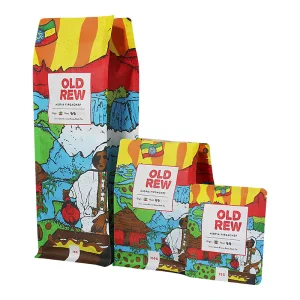
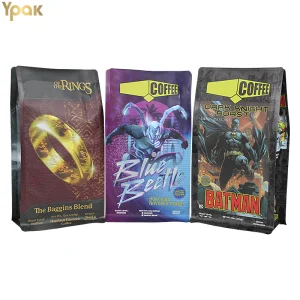
The industrial adoption of the HP Indigo 25K Digital Press has transformed flexible packaging production. Brands no longer need expensive copper cylinder plates for custom graphics. Digital printing allows zero-MOQ production runs, photorealistic gravure-matching print resolution, dynamic variable data printing, and rapid turnaround for seasonal SKUs.
Navigating international compliance frameworks, total cost of ownership (TCO), and sustainable transition paths.
When importing food packaging from China, international brands must ensure compliance with regional legal standards. Leading manufacturers maintain comprehensive certification records:
Global regulatory pressure and consumer preferences are driving the shift toward sustainable barrier packaging. Sourcing partners must offer viable alternatives to traditional foil without sacrificing product shelf-life:
Engineered packaging solutions customized for diverse global market sectors.
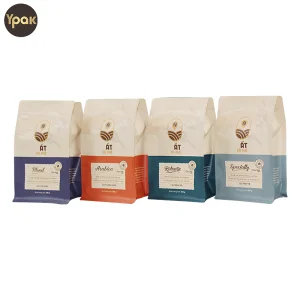
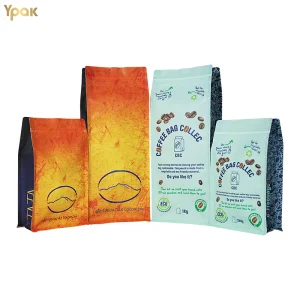
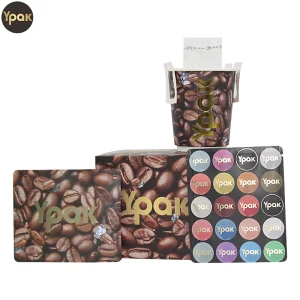
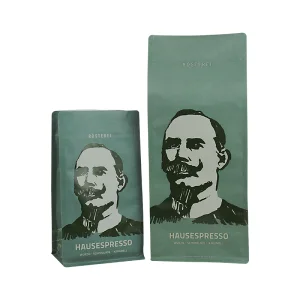
Flat-bottom quad-seal foil pouches featuring pocket zippers and degassing valves. High aluminum barrier prevents lipid oxidation in coffee bean oils, preserving volatile aromatics over an 18-month retail shelf life.
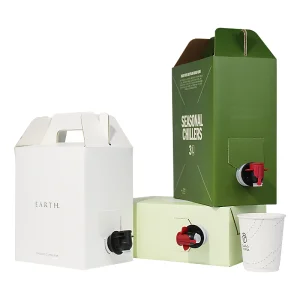
3-liter to 20-liter aseptic kraft bag-in-box liquid systems with integrated tap valves. Designed for wine, water, liquid egg, and edible oils, preventing oxygen ingress during multi-use dispensing.
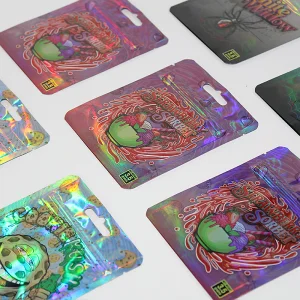
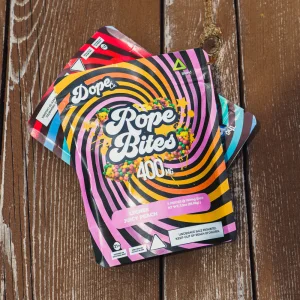
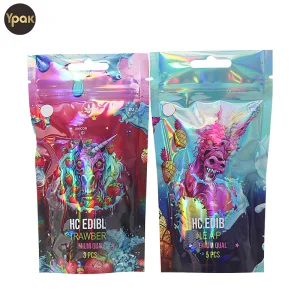
Certified child-resistant zipper bags utilizing heavy-gauge foil lamination. Ideal for pharmaceutical-grade powders, gummies, and cannabis edibles requiring compliance with US 16 CFR § 1700.20 safety standards.
Large-capacity gusseted aluminum foil bags for bulk freeze-dried fruit, proteins, and active food ingredients. Offers high puncture resistance to withstand dynamic transit stress and vacuum sealing.
Over a decade of manufacturing excellence, technological innovation, and international food packaging leadership.
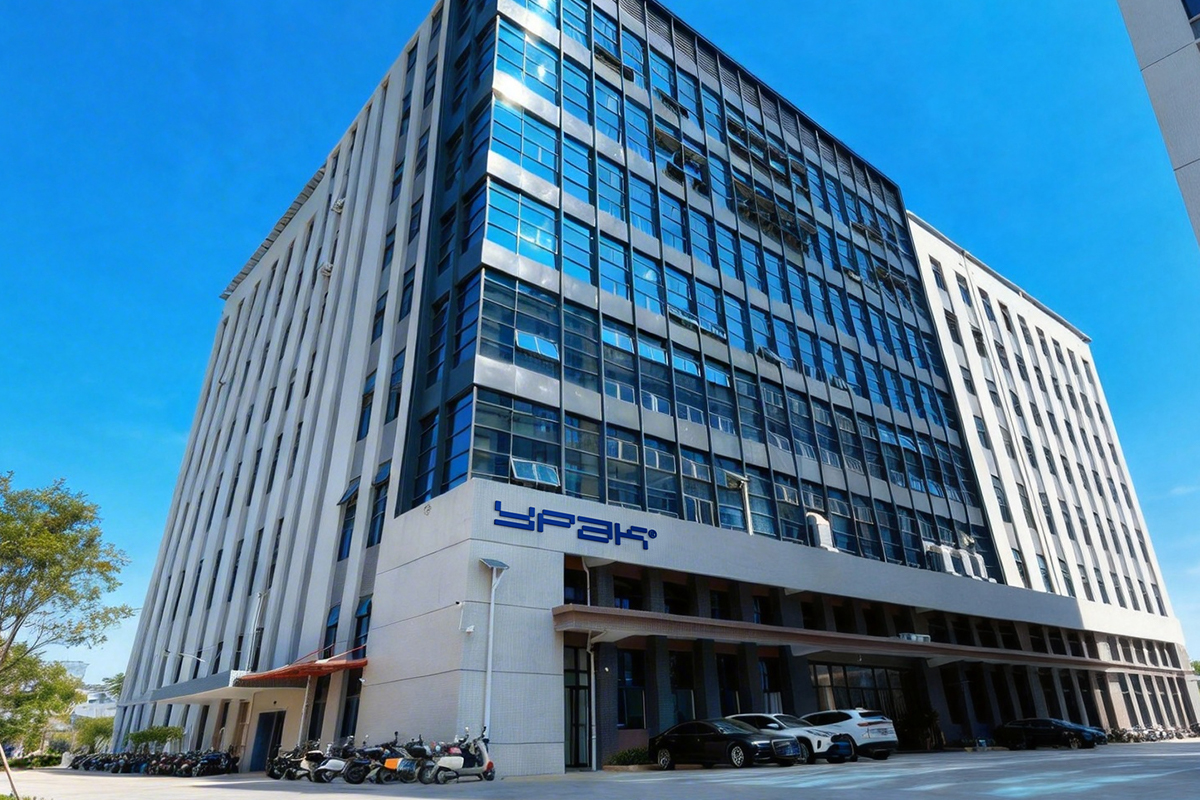
Founded in 2011, YPAK operates three state-of-the-art facilities across Hong Kong, Dongguan, and Foshan, emerging as one of China’s leading coffee bag and food packaging manufacturers. Our Foshan and Dongguan plants are BRCGS Food Safety and ISO 22000:2018 certified—ensuring every pouch meets rigorous global food contact standards with full end-to-end traceability.
We fit Swiss WIPF one-way valves as standard, delivering industry-leading freshness preservation technology. Our HP Indigo 25K digital press enables low-MOQ, plate-free production runs with photorealistic print quality—perfect for limited editions and rapid market testing.
With a verified 99.5% on-time delivery rate, we keep your production lines moving seamlessly. Our recyclable and compostable pouches help global brands stay ahead of strict plastic packaging regulations across the EU, UK, and North America—without compromising structural barrier performance.
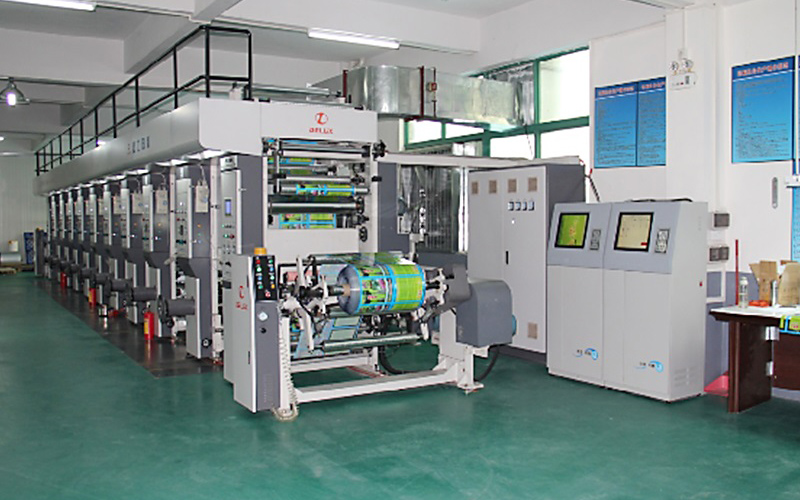
In May 2012, YPAK established its first complete flexible packaging production line, initiating high-barrier foil film manufacturing.
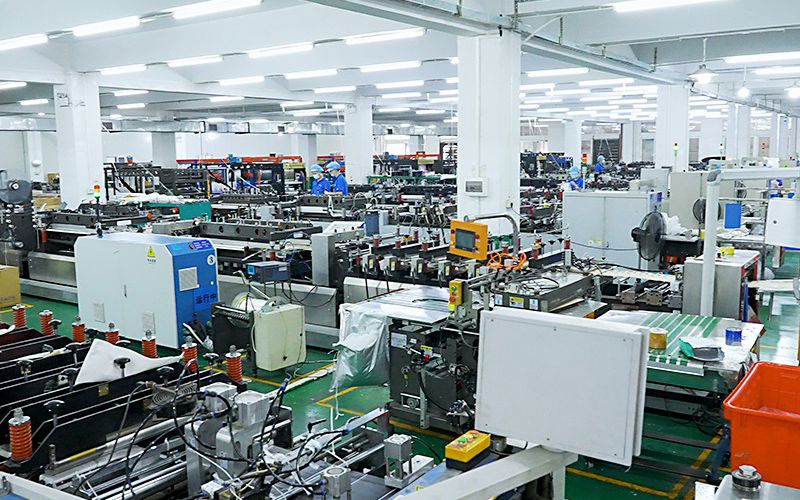
In March 2016, YPAK expanded conversion capabilities, beginning mass production of premium flat-bottom box pouches for specialty coffee.
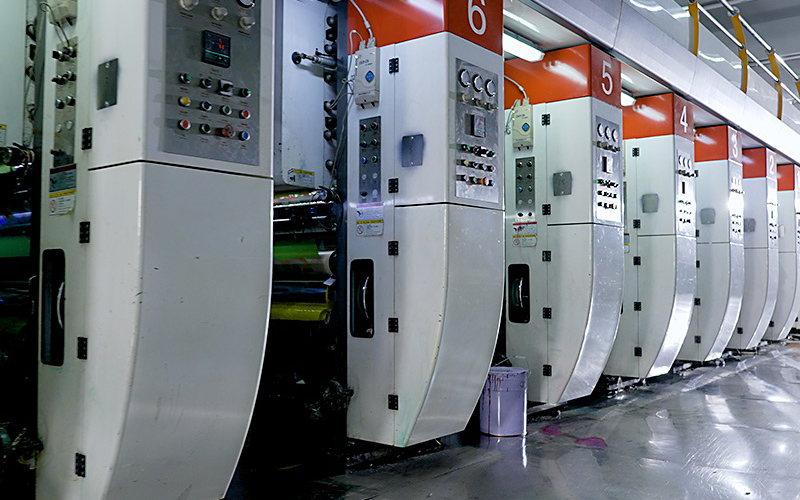
In August 2017, the second complete production line was commissioned to meet surging export demand across Europe and North America.
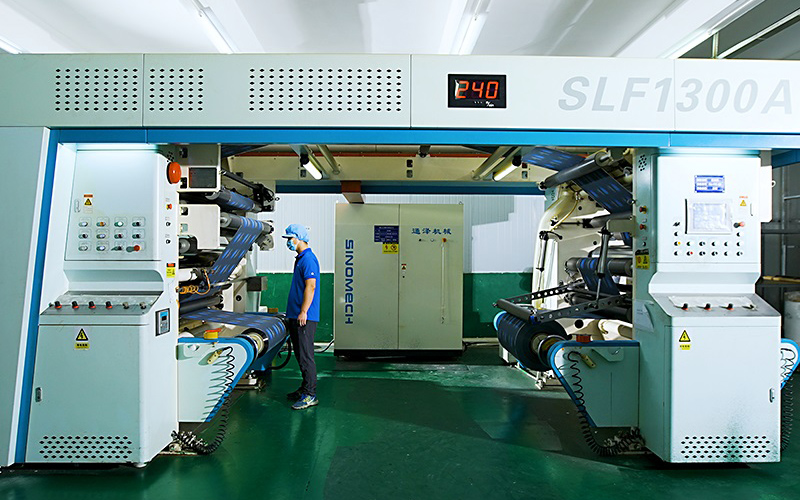
In April 2018, YPAK transitioned fully to solvent-free composite technology, reducing VOC emissions and upgrading food safety parameters.
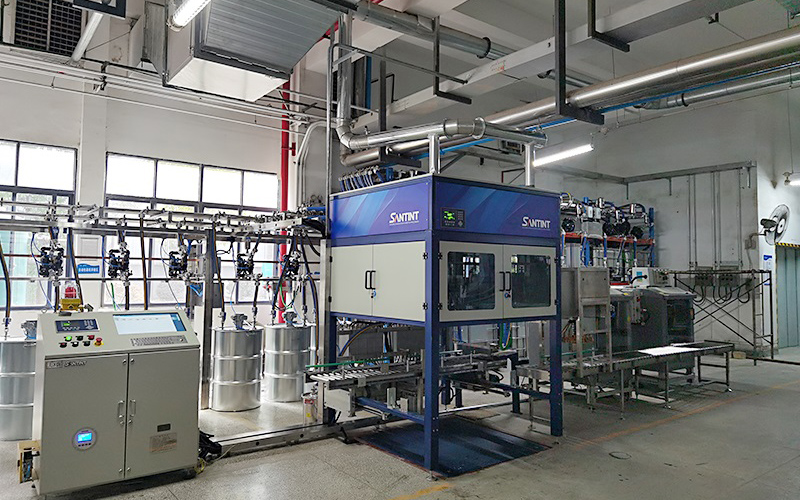
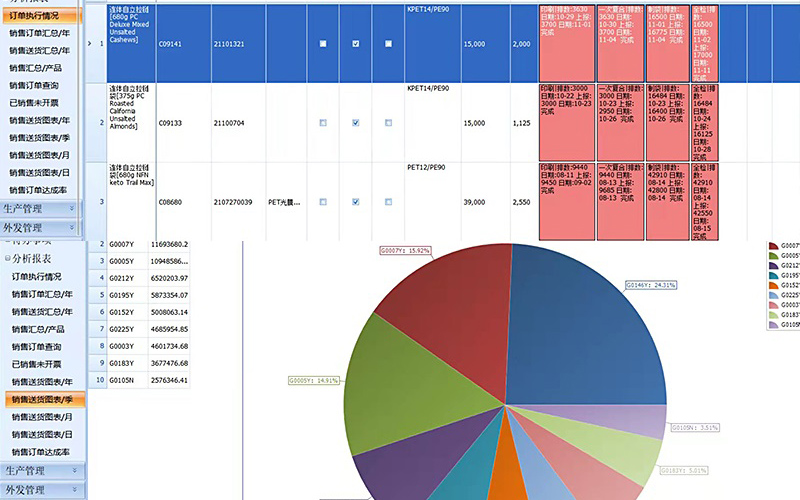
In June 2020, an automatic ink adjustment system was installed for precise Delta-E color accuracy. In July 2020, an enterprise ERP production management system was deployed to digitize operations.
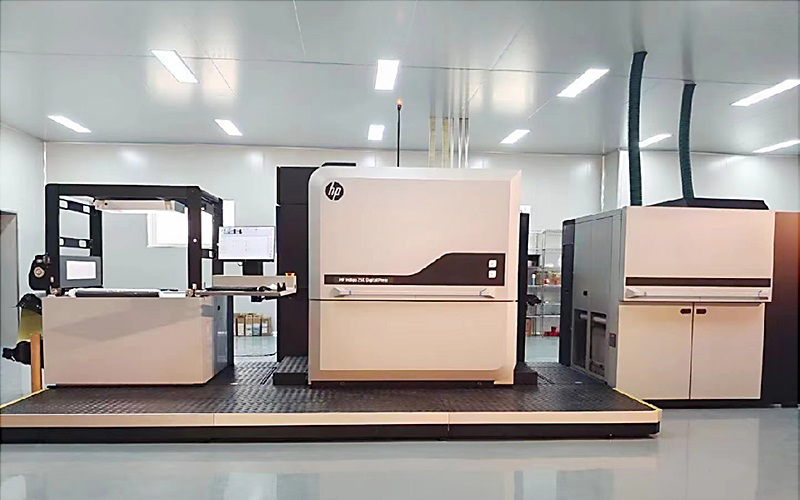
In October 2021, the cutting-edge HP INDIGO 25K digital printing machine was introduced, providing client brands with low-MOQ, plate-free flexibility and photorealistic detail.
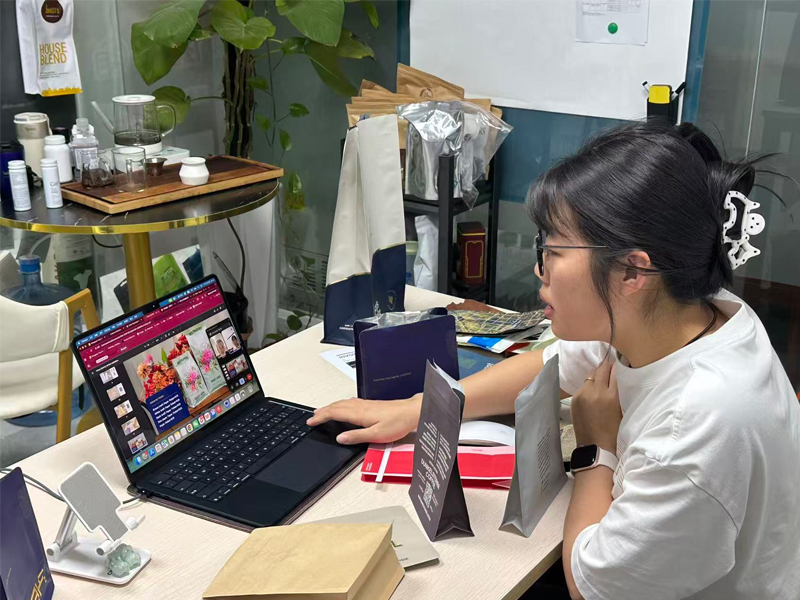
Online Video Confirmation: One-on-one technical consultation ensures accurate specification alignment. Online video proofing removes guesswork, allowing customers to confirm color proofs, pouch dimensions, and material textures before full production runs.
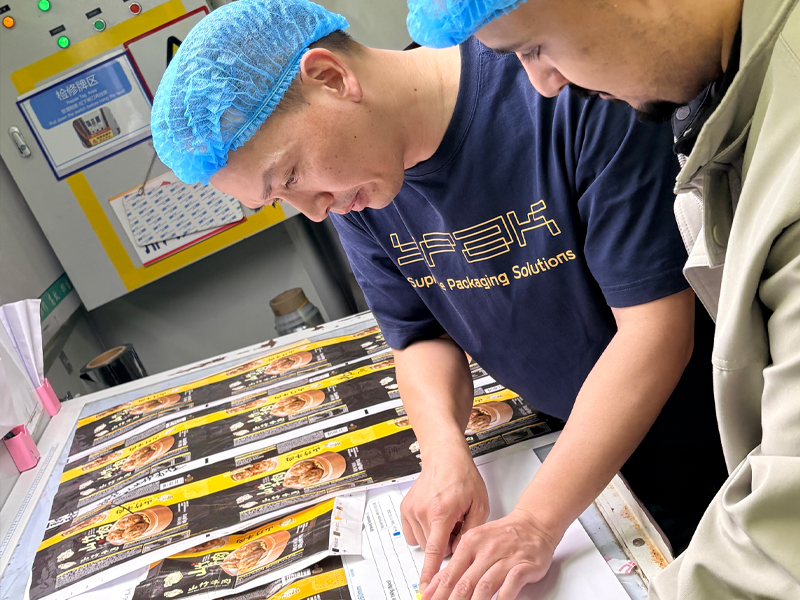
Real-Time Production Tracking: Strict oversight across printing, lamination, curing, and pouch converting. Customers receive regular video updates and photo verification, maintaining full visibility over order milestones and quality checks.
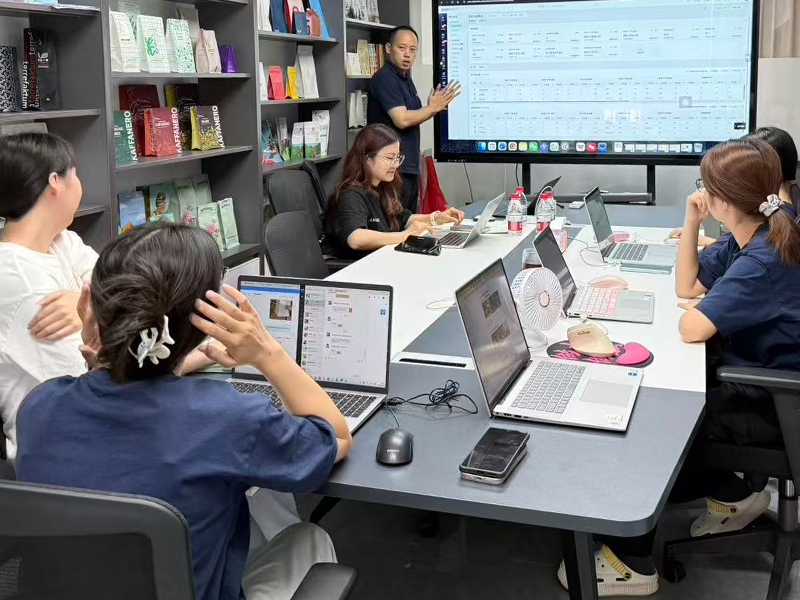
Long-Term Support & Guarantee: Comprehensive feedback channels and technical support after delivery. We stand behind our seal integrity, barrier performance, and delivery commitments to build lasting international brand partnerships.
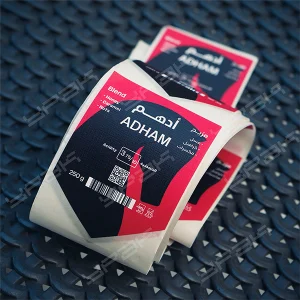
Explore our full line of specialized foil pouches, eco-friendly coffee packaging, tea bags, and custom labels.
Detailed technical and procurement answers for enterprise food packaging buyers.
 YPAK PACKAGING