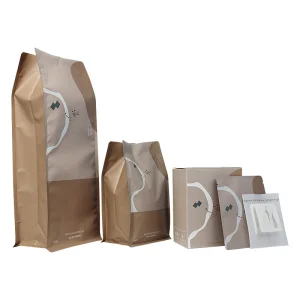
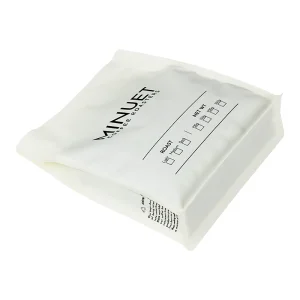
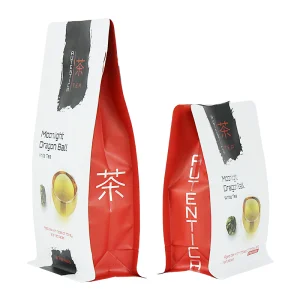
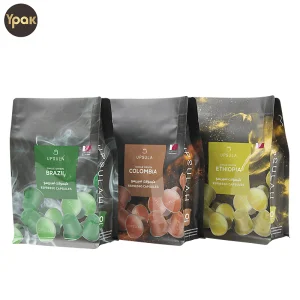
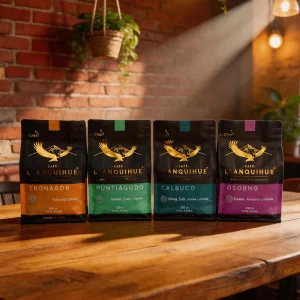
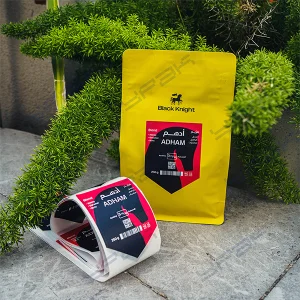
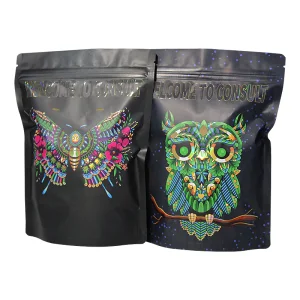
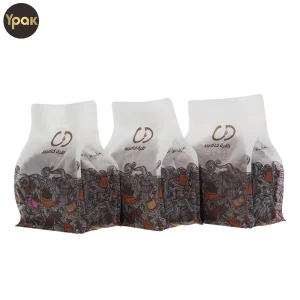
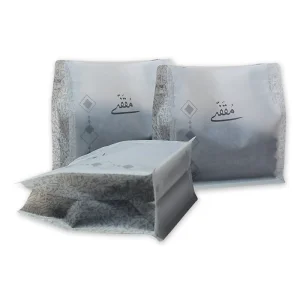
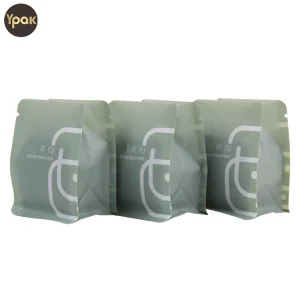
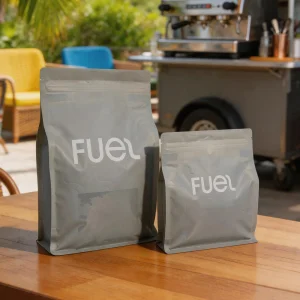
Explore our flagship wholesale flat-bottom, stand-up, foil-stamped, and eco-friendly recyclable coffee pouches manufactured to stringent international food safety standards.
The global specialty coffee ecosystem is undergoing a dramatic structural transformation. As roasted coffee bean subscription platforms, direct-to-consumer (D2C) roasters, and multinational retail networks expand exponentially, the demand for high-performance flexible coffee packaging has reached unprecedented heights. Modern coffee packaging is no longer a mere passive container; it is an active physical atmospheric control unit designed to preserve volatile aromatic compounds, prevent lipid oxidation, and regulate inner-pouch degassing mechanics.
Freshly roasted specialty coffee beans undergo rapid biochemical evolution. During the Maillard reaction and pyrolysis stages of roasting, carbon dioxide (CO₂) is generated and trapped inside the cellular structure of the bean. Immediately post-roasting, a single kilogram of coffee beans releases between 4 to 12 liters of CO₂ gas over a 14-day degassing window.
If coffee is sealed within an airtight structure without dynamic atmospheric relief, gas accumulation causes pouch swelling, seam failure, or catastrophic thermal seal rupture. Conversely, if coffee is left exposed to ambient air, three destructive environmental vectors immediately compromise product integrity:
To combat these vectors, enterprise-grade flexible packaging engineered by premier Chinese packaging factories utilizes complex multi-layer laminate matrices integrated with Swiss-engineered one-way degassing valves. This architecture maintains inner oxygen levels below 1% throughout an extended 18-to-24-month shelf life.
Achieving superior physical durability and chemical barrier performance requires absolute precision in material selection and solvent-free lamination technology. Leading Chinese manufacturers like YPAK Packaging Group utilize high-barrier co-extruded films and sustainable mono-material substrates tailored to global regulatory metrics.
Depending on brand positioning, logistics intensity, and sustainability requirements, flexible coffee bags are engineered around three distinct material structural families:
| Material Family | Structural Laminate Layers | OTR (cc/m²/24h) | WVTR (g/m²/24h) | Primary Commercial Application |
|---|---|---|---|---|
| High-Barrier Foil (Traditional) | PET / AL / LLDPE (or Matte BOPP / AL / PE) | < 0.1 | < 0.1 | Long-haul export, 1kg - 5lb bulk beans, 24-month shelf life |
| Metalized Mylar (Flexible Standard) | Matte PET / VMPET / LLDPE | < 0.5 | < 0.5 | Specialty roasters, 250g - 500g retail bags, high tear resistance |
| Sustainable Recyclable Mono-PE | BOPE / High-Barrier EVOH-PE / LLDPE | < 1.0 | < 1.0 | Circular economy compliance (EU PPWR), 100% recyclable store drop-off |
| Industrial Compostable | Kraft Paper / PLA / PBAT / NK-Cellulose | < 2.5 | < 3.0 | Organic certified roasters, home/industrial compostable setups |
The valve is the critical mechanical component of any high-performance coffee pouch. Substandard generic valves often suffer from oil seal stickiness, high opening pressure threshold, or mechanical back-leakage, allowing ambient oxygen to seep back into the pouch.
WIPF one-way valves open automatically at an internal pressure threshold of 3 to 5 mbar, rapidly releasing accumulated CO₂ gas before structural pouch distortion occurs.
Featuring high-viscosity silicone fluid membranes, the valve instantly reseals as soon as internal gas pressure drops below the closing threshold, achieving true one-way seal integrity.
Integrated internal filter screens prevent fine coffee particulates (fines) from entering the valve mechanism, ensuring flawless mechanical operation across millions of cycles.
Over the past two decades, China has evolved from a low-cost contract packaging provider into the world's most technologically advanced hub for flexible packaging engineering. Concentrated in specialized industrial clusters in Guangdong province (Foshan, Dongguan, and Shenzhen), Chinese manufacturers offer global coffee brands unparalleled advantages in supply chain integration, speed-to-market, and capital efficiency.
Chinese factories seamlessly integrate high-speed 10-color Rotogravure printing for ultra-high-volume commercial runs with next-generation HP Indigo 25K Digital Presses. This dual capability allows brands to execute short-run seasonal micro-batches (zero plate costs) while retaining mass-production capabilities on the same production line.
From raw resin synthesis and blown film extrusion to solventless lamination, digital UV spot stamping, laser scoring, and automatic zipper insertion—every stage of production occurs within concentrated industrial zones. This proximity minimizes raw material transit delays, reducing overall lead times to under 14 business days.
Compared to North American or European converter operations requiring 20,000 to 50,000 units minimum per SKU, leading Chinese factories provide zero-MOQ digital customization. This permits fast-growing coffee roasters to maintain lean inventories and conserve working capital without compromising packaging quality.
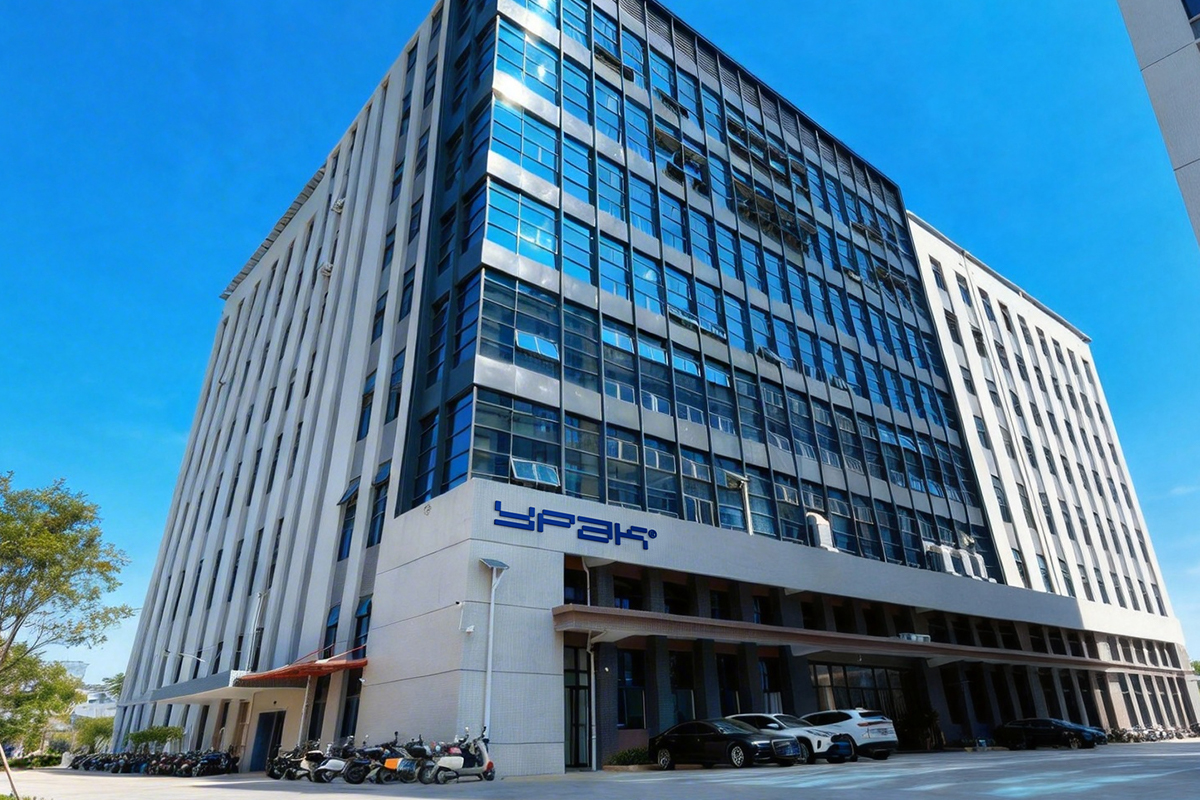
Founded in 2011, YPAK PACKAGING GROUP operates three state-of-the-art facilities across Hong Kong, Dongguan, and Foshan, positioning itself as a premier innovator among China's coffee bag manufacturers. Our Foshan and Dongguan production centers hold full BRCGS Food Safety Grade A and ISO 22000:2018 international certifications, guaranteeing every pouch complies with global food-contact regulations under full batch traceability.
We fit authentic Swiss WIPF one-way degassing valves as standard engineering, delivering industry-leading volatile preservation. Furthermore, our investment in the HP Indigo 25K digital printing ecosystem enables plate-free, zero-MOQ production with photorealistic color accuracy—ideal for specialty single-origin releases and market testing.
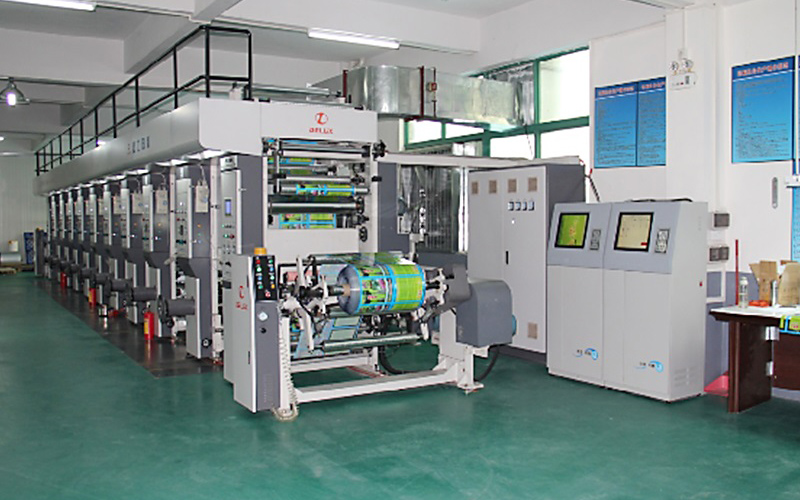
In May 2012, commissioned the first complete automated flexible packaging production line.
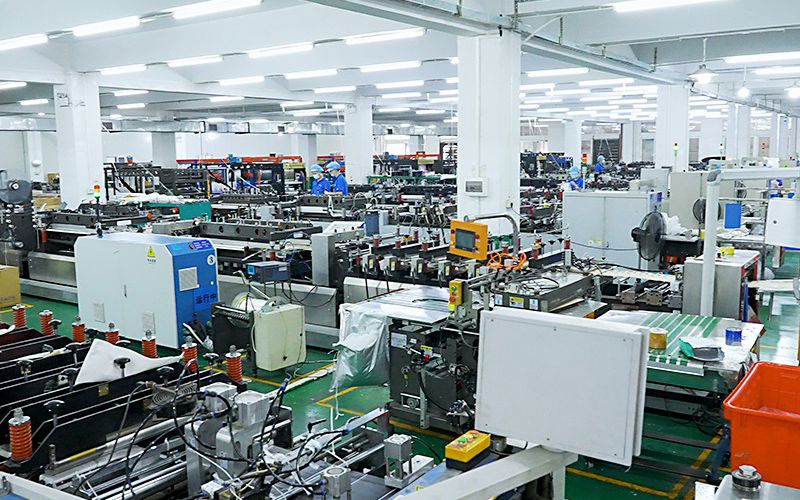
In March 2016, pioneered mass production of box pouches (flat bottom bags) with pocket zippers.
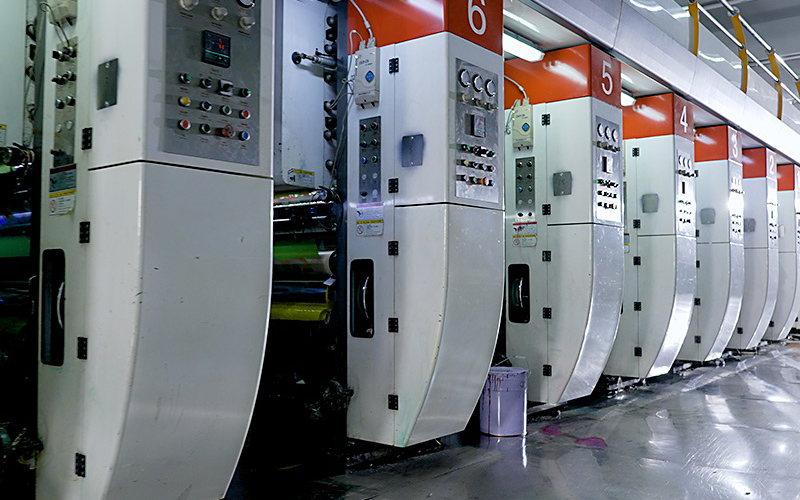
In August 2017, established our second high-speed manufacturing facility to handle expanding export volumes.
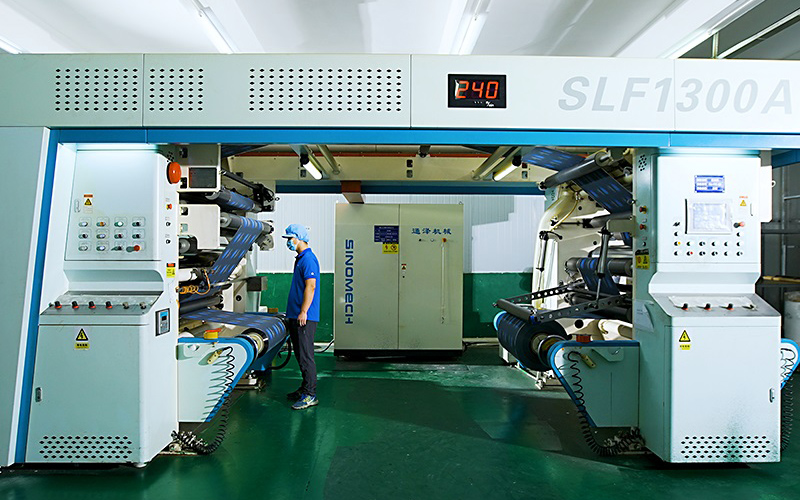
In April 2018, fully integrated solvent-free composite lamination, eliminating VOC emissions.
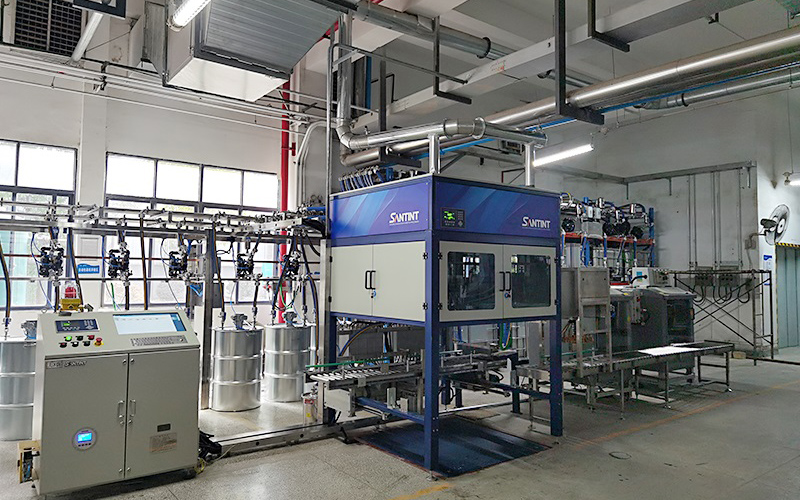
In June 2020, implemented the automatic ink adjustment system for precise Delta-E color fidelity.
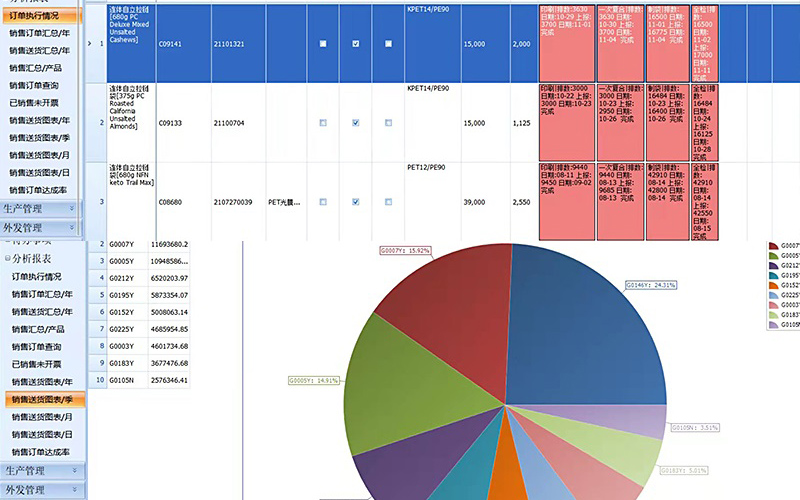
In July 2020, launched custom enterprise ERP production tracking system to achieve a 99.5% on-time delivery rate.
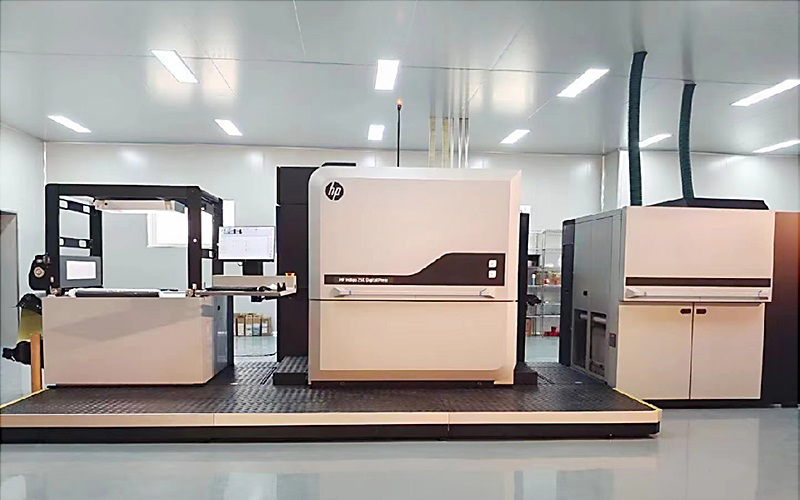
In October 2021, introduced the HP INDIGO 25K digital press, expanding sustainable short-run printing.
To eliminate pre-production artwork errors and delivery discrepancies, YPAK has instituted a three-tier quality control protocol:
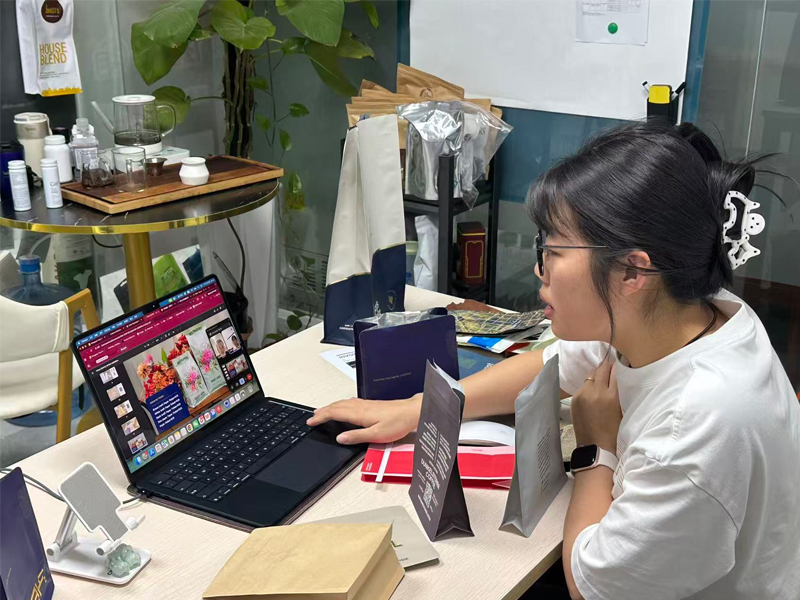
We conduct live online video pre-flight reviews to confirm artwork dielines, material textures, foil stamping registration, and dimension tolerances, removing traditional guesswork.
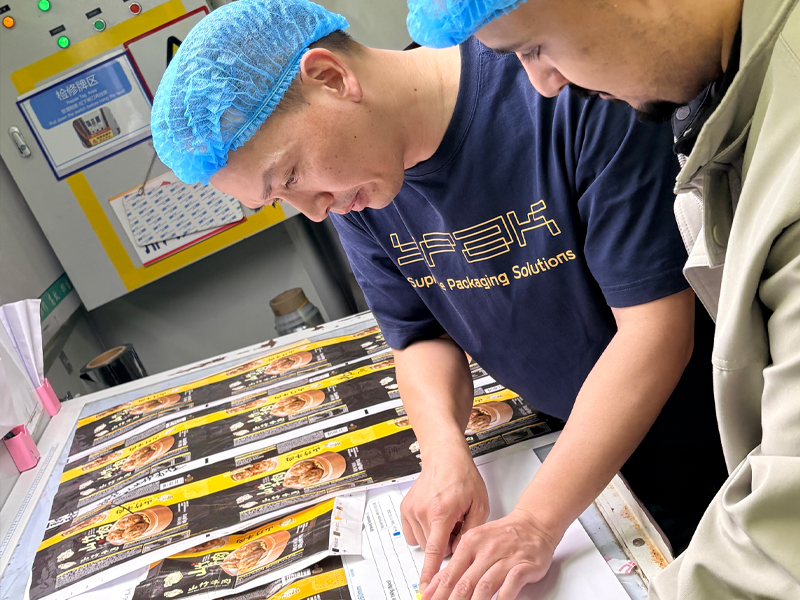
Real-time ERP tracking coupled with daily production photos and video updates allows buyers to visualize lamination, curing, pouch formation, and valve testing in real time.
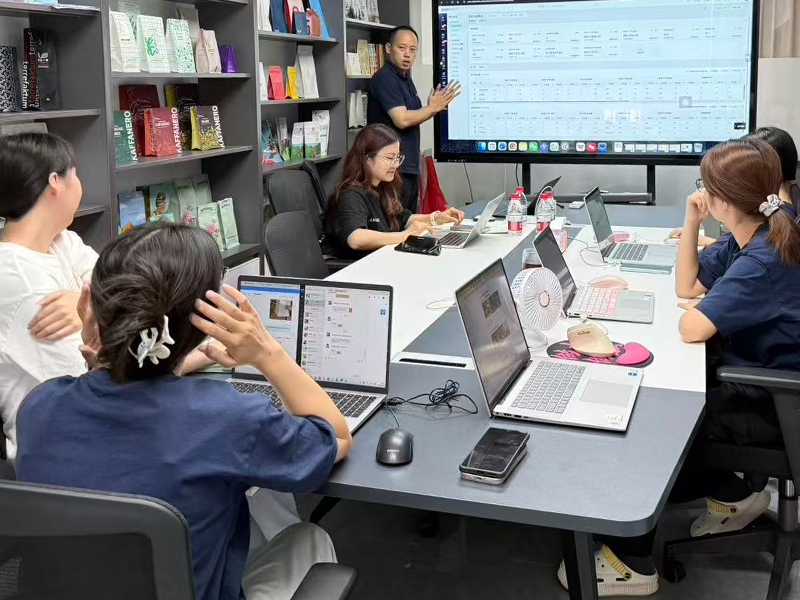
Every batch is assigned a unique tracking barcode for lifetime quality verification. Comprehensive feedback channels ensure rapid technical support and re-order processing.
Coffee packaging requirements vary considerably across localized market segments and retail channels. Customizing flexible pouch geometry to match consumer usage scenarios optimizes brand presentation and shelf presence.
Flat-bottom box pouches with pocket zippers and rough matte finishes have become the definitive standard for specialty specialty coffee brands. The stable box structure provides 5 printable surfaces for brand story narratives, while laser-scored tear notches provide an effortless consumer opening experience.
High-volume espresso suppliers require heavy-duty quad-seal or side-gusset bags engineered with thick (140+ micron) PET/AL/PE foil laminates. Reinforced corner seals prevent side ruptures during international freight transit and bulk stacking.
The rapid rise of office convenience and camping outdoor trends has surged demand for Japanese and Chinese-manufactured disposable UFO Drip Coffee Filters and sachet outer packaging, delivering pour-over quality without equipment.
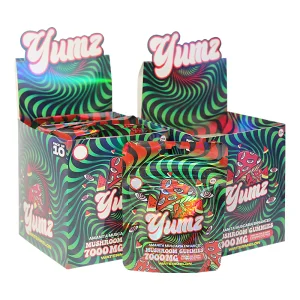
Infused coffees (CBD, THC, adaptogenic mushroom formulations) require specialized high-barrier Holographic Mylar child-resistant pouches to preserve sensitive active ingredients while strictly complying with regional wellness regulations.
Moving beyond dry bean storage, modern flexible pouch lines produce high-barrier spout pouches capable of holding ambient cold brew concentrates under aseptic filling conditions.
Ultra-slim, letterbox-friendly flat pouches engineered with high-strength co-extruded films allow subscription brands to ship freshly roasted beans at reduced postal rates.
As governments across Europe (EU Packaging and Packaging Waste Regulation - PPWR), North America (US State Plastic Mandates), and Oceania introduce strict circular economy legislation, coffee roasters must update legacy unrecyclable tri-layer foil structures.
Chinese innovation leaders have developed two distinct compliant pathways for global buyers:
Navigating cross-border custom manufacturing requires a structured process to ensure technical specifications, brand visuals, and delivery schedules match enterprise expectations:
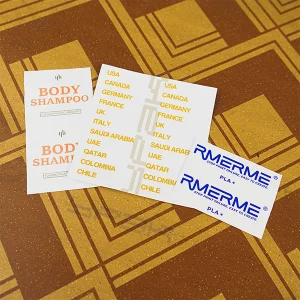
Explore additional specialty coffee bags, eco-friendly flat-bottom pouches, drip filter systems, and custom branded sticker solutions.
 YPAK PACKAGING