Explore our premium product lineup optimized for barrier protection, carbon footprint reduction, and high-impact visual marketing.
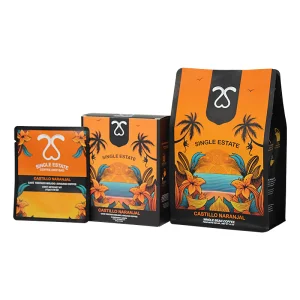
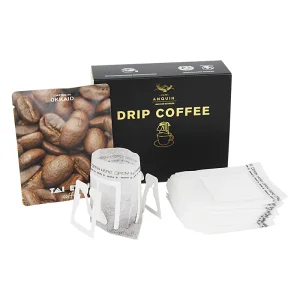
Understanding the intersection of chemical barrier engineering, supply chain resilience, and international ESG compliance in modern flexible packaging.
The global specialty coffee ecosystem is undergoing a dramatic structural transformation. As specialty roasters, commercial coffee chains, and direct-to-consumer (DTC) digital brands expand worldwide, the demand for high-performance packaging engineered to preserve coffee's volatile aromatic profiles has reached an all-time high. Modern coffee packaging must accomplish far more than holding roasted beans; it acts as a technological fortress against oxygen degradation, moisture ingress, UV radiation exposure, and loss of essential lipid aromas.
Integrating high-density aluminum foil and EVOH layers to achieve Oxygen Transmission Rates (OTR) under 0.1 cc/m²/24h, safeguarding essential sensory notes.
Precision-engineered one-way valves allow rapid outgassing of carbon dioxide (CO2) post-roasting while remaining impermeable to atmospheric oxygen.
Direct alignment with European Union PPWR guidelines, offering fully recyclable Mono-PE substrate structures and EN 13432 certified compostable solutions.
When coffee beans undergo roasting, intricate Pyrolysis and Maillard reactions convert carbohydrates and amino acids into CO2 and over 800 delicate aromatic compounds. During the initial 24 to 72 hours post-roast, fresh beans emit up to 10 liters of CO2 gas per kilogram. Without high-integrity flexible packaging equipped with precision degassing valves, sealed bags risk catastrophic bursting, while unsealed bags suffer rapid staling due to atmospheric oxidation.
As a global manufacturing powerhouse, China’s flexible packaging sector has evolved from low-cost bulk commodity production into advanced material science innovation. Facilities operating in advanced industrial clusters like Guangdong (Dongguan, Foshan) now engineer multilayer film matrices, solvent-free laminations, and digital short-run printing capabilities that match or exceed Western OEM standards at unprecedented economic efficiency.
Comparative analysis of laminate formulations designed for extreme shelf-life performance and eco-conscious circularity.
Choosing the correct film stack structure depends on the targeted distribution channel, shelf-life expectation, humidity exposure, and regional recycling infrastructure. Modern flexible packaging utilizes complex co-extruded matrices to balance seal strength, puncture resistance, barrier efficiency, and tactile brand aesthetic.
| Structure Profile | Material Layer Breakdown | OTR Performance (cc/m²/day) | WVTR Performance (g/m²/day) | Primary Industrial Use Case |
|---|---|---|---|---|
| Traditional Foil Barrier | PET / AL / LLDPE | < 0.05 | < 0.05 | Ultra-long shelf life (18-24 months), premium retail dark roasts, export logistics. |
| Kraft Tactile Metalized | Kraft Paper / VMPET / PE | < 0.5 | < 0.5 | Organic specialty roasters, artisanal retail branding, rustic aesthetic presentation. |
| Mono-Material Recyclable | MDO-PE / High-Barrier PE | < 1.0 | < 1.0 | EU PPWR compliant, kerbside recyclable streams (Code 4 PE), modern eco-conscious brands. |
| Certified Bio-Compostable | Kraft Paper / NK / PLA or PBAT | < 2.0 | < 3.5 | Zero-waste organic coffee roasters, industrial/home composting compliance (EN 13432). |
Integrity in degassing valve technology remains the cornerstone of long-distance coffee transportation. Low-tier valve mechanisms frequently experience rubber seal degradation, leading to oxygen leakage and bean staling. YPAK standardizes production by integrating authentic Swiss WIPF one-way valves. These micro-engineered valves utilize ultra-precise membrane tension that opens at minute internal pressures (approx. 3 millibars) to release CO2 while snap-closing instantly to block incoming oxygen molecules (O2 diameter: 0.346 nm), effectively preserving delicate lipid compounds from oxidation.
A decadal commitment to certified food safety, zero-defect quality management, and state-of-the-art flexible film conversion.
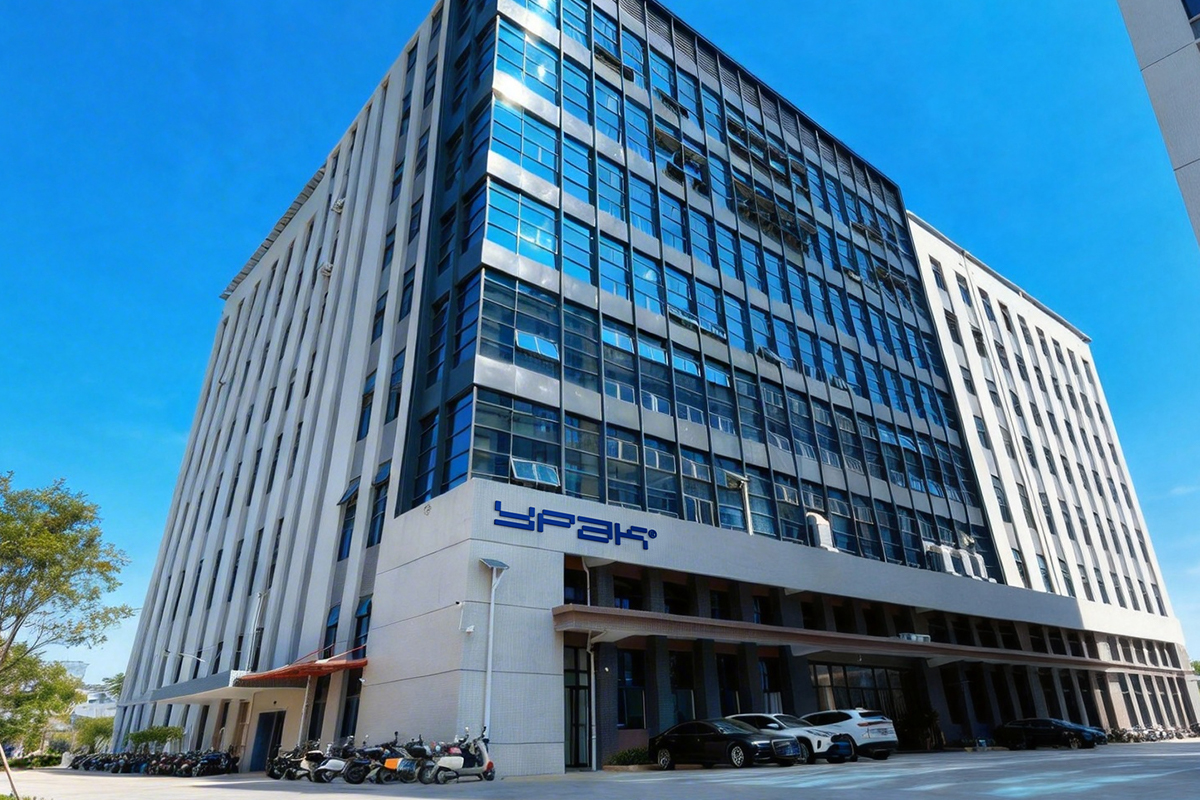
Founded in 2011, YPAK operates three state-of-the-art facilities located across Hong Kong, Dongguan, and Foshan, establishing its reputation as one of China’s leading high-precision coffee bag manufacturers. Our Foshan and Dongguan production centers hold rigorous BRCGS Food Safety Grade A and ISO 22000:2018 certifications, guaranteeing that every flexible pouch meets global food-contact hygiene standards with complete batch traceability.
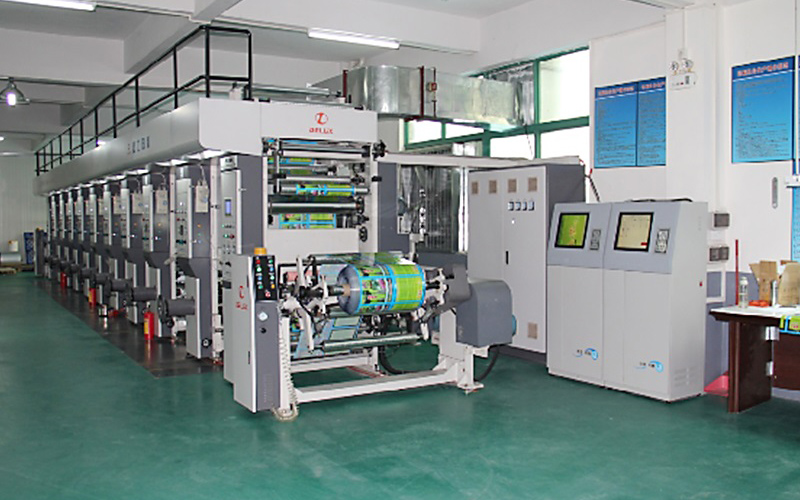
In May 2012, commissioned our first fully integrated high-speed flexible packaging production line.
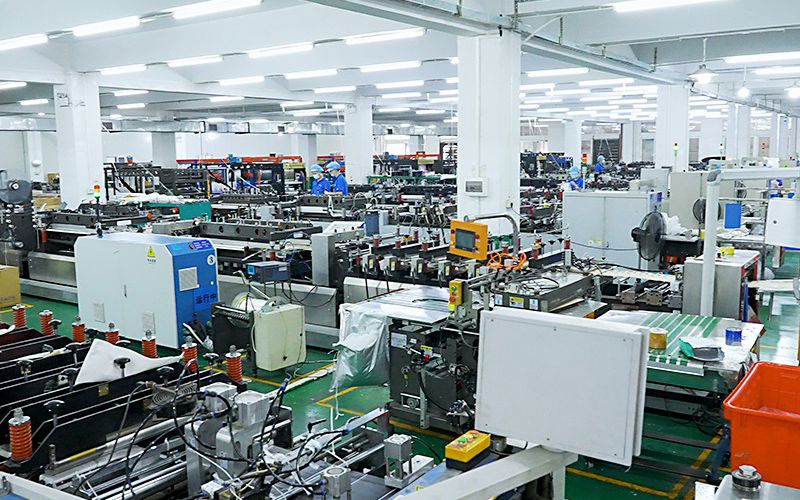
In March 2016, pioneered specialized production lines for premium 5-panel flat bottom box pouches.
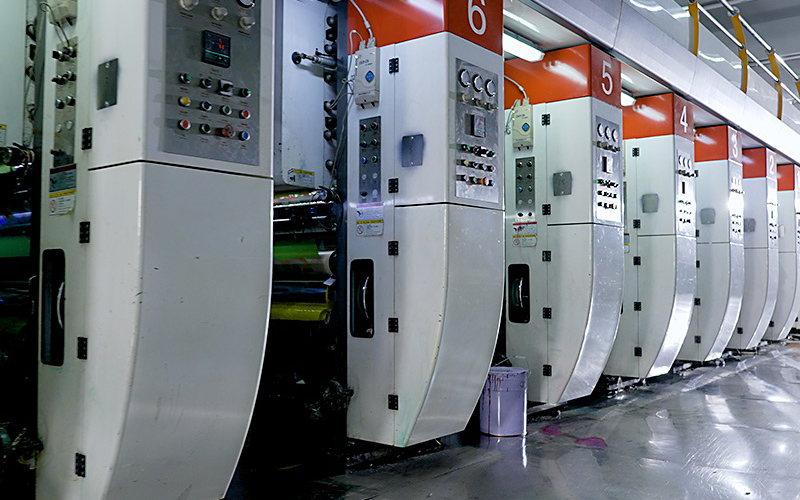
In August 2017, established our second manufacturing facility to double output capacity for international OEM demands.
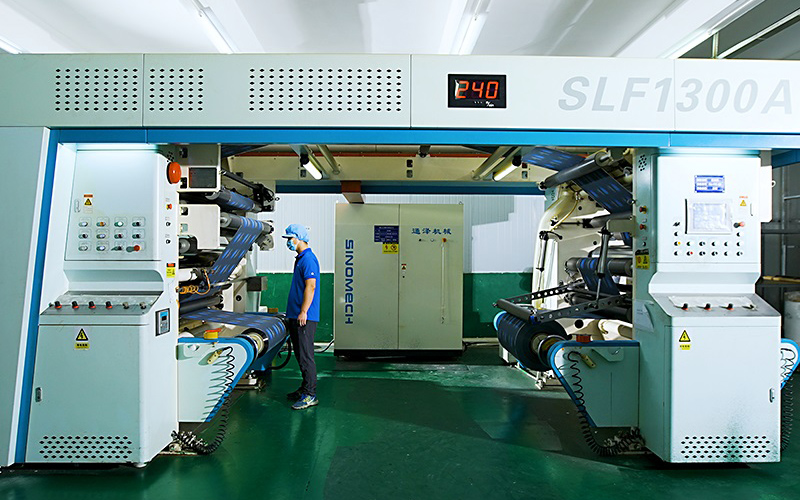
In April 2018, fully implemented solvent-free lamination technology, drastically reducing VOC emissions and odor contamination.
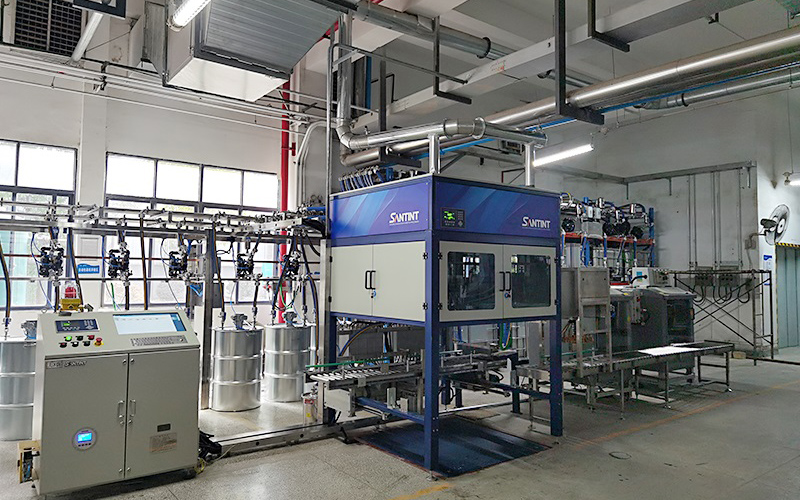
In June 2020, deployed automatic closed-loop ink dispensing systems to ensure micro-accurate Pantone color matching.
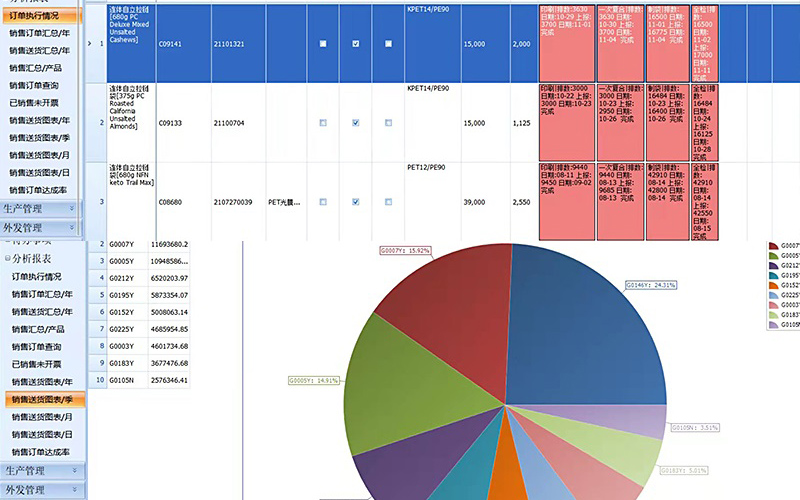
In July 2020, integrated real-time ERP cloud manufacturing infrastructure for end-to-end order transparency.
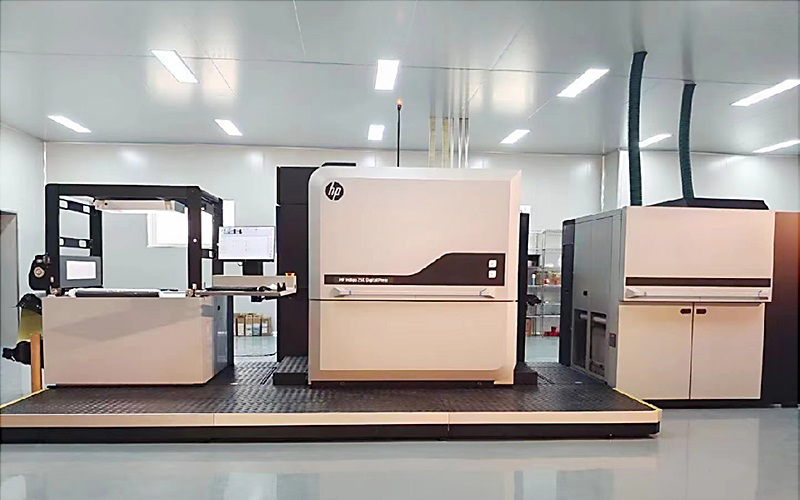
In October 2021, installed the HP Indigo 25K Digital Press, empowering brands with plate-free short runs, variable data printing, and zero MOQs.
How YPAK eliminates cross-border sourcing risks through transparent online validation and rigorous quality control protocols.
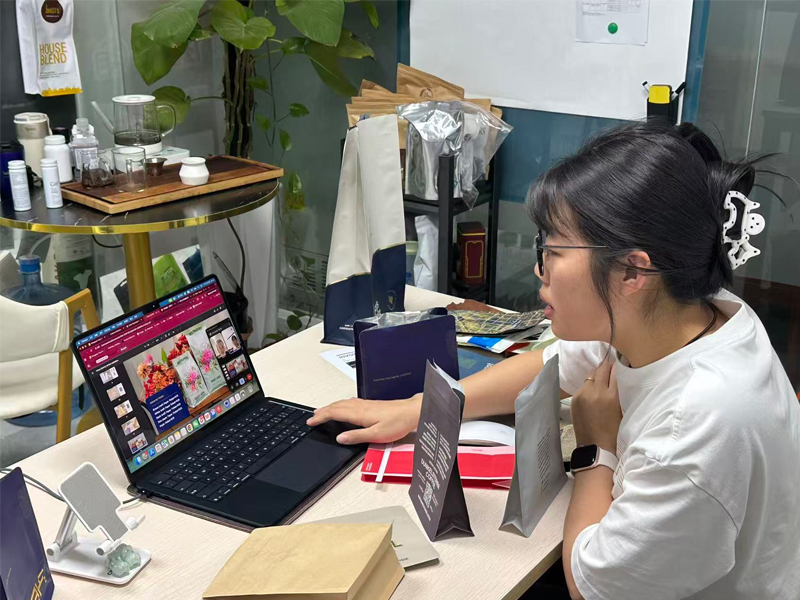
Online Video Confirmation: One-on-one technical consultations bridge global time zones. We conduct real-time video physical sample reviews, artwork structural proofing, and material barrier matching to eliminate pre-production guesswork prior to cylinder engraving or digital press setup.
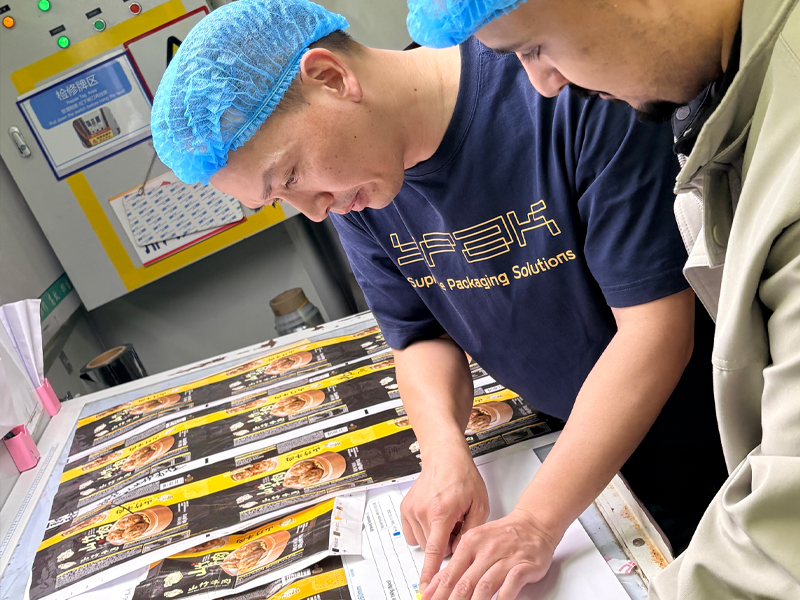
Production Transparency: Strict oversight during lamination, slitting, and pouch conversion. Clients receive live video logs, photographic milestones, ink density readings, and burst test data, ensuring complete control over manufacturing timelines and product specs.
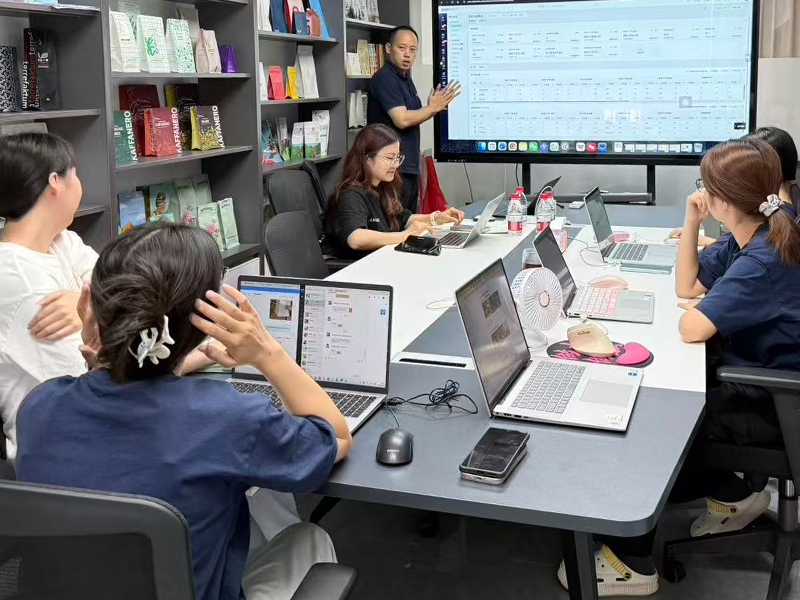
Long-Term Partnership: Comprehensive post-delivery support guarantees immediate resolution of supply chain anomalies. We collect client feedback to refine future production runs, building stable, multi-year international partnerships based on accountability.
Tailored engineering for unique regional consumer behaviors, regulatory mandates, and climate considerations.
The North American market demands premium tactile finishes—such as soft-touch matte coatings combined with spot UV highlights—alongside functional resealability (Pocket Zippers, Press-to-Close). Additionally, strict compliance with state-level plastic legislation requires roasters to adopt recyclable Mono-PE pouch structures or certified post-consumer recycled (PCR) resins without compromising high-speed automatic filling speeds on roastery packing lines.
Under the EU Packaging and Packaging Waste Regulation (PPWR), packaging materials must demonstrate real-world recyclability at scale. YPAK supplies European roasters with certified kerbside-recyclable Mono-PE films featuring EVOH barrier technology, as well as EN 13432 certified bio-compostable Kraft/PLA laminates engineered for industrial and home composting conditions across Western European markets.
Driven by fast-paced urban lifestyles, APAC regions are seeing surging demand for disposable hanging ear drip coffee filter bags and single-serve drip cups. Concurrently, high atmospheric humidity and ambient temperatures across Middle Eastern and Southeast Asian retail networks mandate heavy-duty foil-laminated barrier bags to prevent humidity-induced bean oil rancidity.
For markets like Russia and the CIS block, high-volume commercial roasters prioritize large-format (1KG to 3KG) flat-bottom pouches constructed with puncture-resistant, frost-resistant polymer matrices. These bags utilize high-flow degassing valves designed to maintain seal integrity across extreme temperature variances during cross-continental transit.
Expert insights addressing key manufacturing, material selection, and logistics queries for international buyers.
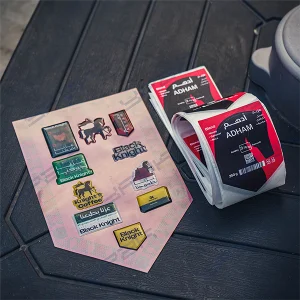
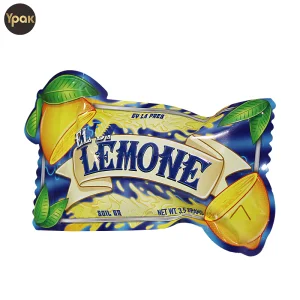
Explore our specialized range of compostable packaging, high-barrier Mylar solutions, and custom 3D adhesive label enhancements.
 YPAK PACKAGING