High-barrier flexible pouches, compostable Mylar bags, and specialty branding accessories.
How high-performance flexible pouches with tailored brand identity redefine shelf appeal and preserve roasted bean degradation metrics worldwide.
The global specialty coffee industry has experienced a seismic shift toward premiumization, direct-to-consumer (D2C) bean subscriptions, and micro-roaster expansion. In this hyper-competitive landscape, commercial packaging is no longer merely a container; it is an active preserve-and-protect vessel and a brand’s primary physical touchpoint. Procurement directors and commercial coffee roasters searching for high-capacity China coffee bags with logo manufacturers & suppliers demand more than aesthetic appeal. They require rigorous material science, certified food safety compliance, precise barrier control, and agile manufacturing capabilities capable of maintaining batch-to-batch consistency.
Roasted coffee beans are chemically volatile entities. Post-roasting, coffee beans undergo rapid off-gassing, emitting significant volumes of carbon dioxide (CO₂) while remaining exceptionally vulnerable to oxidation, moisture absorption, light degradation, and volatile aromatic compound loss. To protect origin-specific flavor profiles—ranging from delicate Ethiopian floral notes to rich Central American chocolate undertones—flexible packaging must integrate state-of-the-art oxygen transfer rate (OTR) and moisture vapor transmission rate (MVTR) barrier layers coupled with precision one-way degassing valves.
Deconstructing the operational, financial, and technological advantages of China’s flexible packaging industrial clusters.
China’s flexible packaging ecosystem in Guangdong (Dongguan, Foshan) clusters raw resin synthesis, blown film extrusion, cylinder engraving, high-speed lamination, and automated pouch conversion within tight geographical radii. This lowers material procurement overheads and shortens lead times by 40% compared to Western counterparts.
Leading Chinese plants operate dual-track printing infrastructure: 10-color electronic high-speed rotogravure presses for high-volume, cost-effective wholesale runs, alongside advanced HP Indigo 25K digital presses that eliminate cylinder plate costs for short runs, seasonal SKUs, and D2C market testing.
Modern Chinese packaging leaders hold international certifications such as BRCGS Grade AA for Global Packaging Standards, ISO 22000:2018 food safety management, and US FDA / EU 10/2011 direct food contact compliance, ensuring flawless international custom clearances.
Selecting the right production methodology depends directly on order volumes, SKU variability, and branding complexity. Below is a engineering comparison of printing and converting techniques deployed in premium Chinese facilities:
| Parameter / Feature | HP Indigo 25K Digital Printing | High-Speed Rotogravure Printing | Flexographic Eco-Ink Printing |
|---|---|---|---|
| Target Order Scale | Small to Medium (500 – 10,000 pcs) | Mass Production (10,000 – 1,000,000+ pcs) | Medium to Large (20,000+ pcs) |
| Cylinder / Plate Fees | Zero Plate Fees | Requires Engraved Cylinders per Color | Photopolymer Plate Costs |
| Color Accuracy & Matching | 7-Color Digital (Pantone Coverage 97%) | Up to 10 Colors (Spot Metallic, Matt/Gloss) | 8 Colors (Water-based inks) |
| Variable Data & Multi-SKU | Instant switching, individual serialization | Requires cylinder setup per graphic change | Moderate setup required per SKU change |
| Eco-Packaging Suitability | Ideal for recyclable & bio-films | High efficiency on foil & paper laminates | Low VOC emission water-based system |
Understanding film multi-layer structures, sealing integrity, and Swiss degassing valve integration.
Achieving extended roasted coffee shelf-life (12 to 24 months) requires complex multi-ply laminated structures engineered to withstand flex-cracking, puncture during transit, and ambient thermal fluctuations:
Freshly roasted coffee can discharge up to 10 liters of CO₂ gas per kilogram over several weeks. Without proper venting, sealed pouches will expand and rupture. Conversely, ambient oxygen ingress will oxidize delicate coffee lipids, turning aromas stale within days.
Engineered Chinese packaging integrates authentic Swiss WIPF valves or ultra-precise custom pressure relief valves sealed thermally into the film matrix:
Customizing pouch ergonomics and logo application techniques for diverse commercial sales channels.
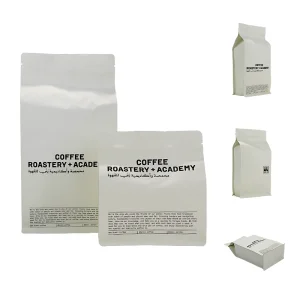
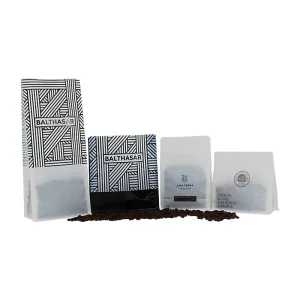
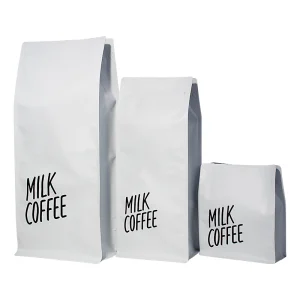
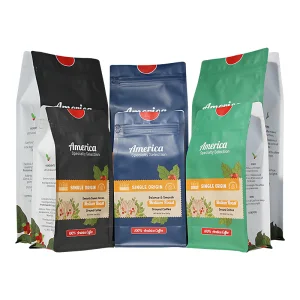
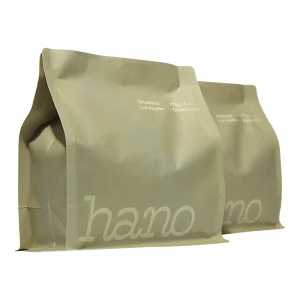
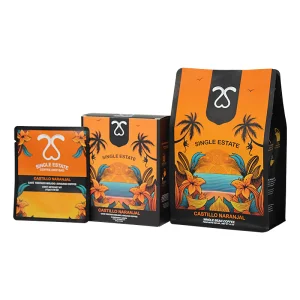
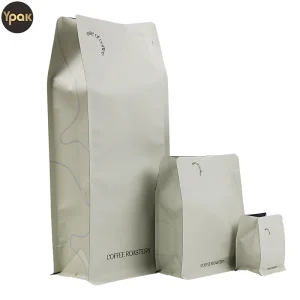
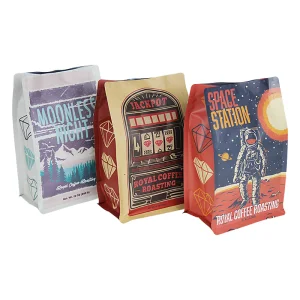
Flat Bottom Box Pouches: Preferred by boutique roasters. Flat base ensures 100% standing stability on retail shelves. Offers 5 printable panels for high-impact logo placement, origin stories, and flavor notes.
Slim Profile Stand-Up Pouches: Engineered for letterbox-friendly postal dimensions while incorporating press-to-close pocket zippers or tear notches. Ultra-lightweight structures reduce postage fees across Europe and North America.
Quad-Seal Side Gusset Bags: Heavy-duty packaging designed for commercial espresso machine suppliers, hotels, and cafes. Reinforced vertical seals maintain structural rigidity during transit and storage.
Navigating global plastic reduction legislation, circular packaging models, and interactive digital branding.
The global packaging sector is undergoing rapid transformation governed by strict legislative updates, such as the European Union’s Packaging and Packaging Waste Regulation (PPWR) and North American circular economy mandates. Chinese flexible packaging suppliers are leading this green transition through material innovation:
Replacing traditional petroleum laminates, compostable coffee bags utilize certified bio-resins such as Polybutylene Adipate Terephthalate (PBAT), Polylactic Acid (PLA), and renewable kraft paper. These bags decompose fully into organic biomass, water, and CO₂ under municipal or home composting environments without leaving toxic microplastic residues.
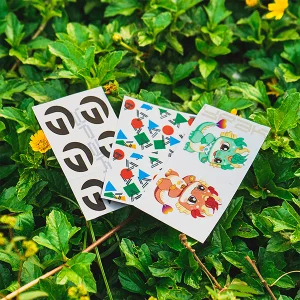
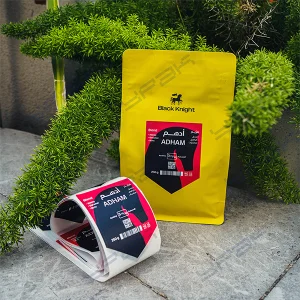
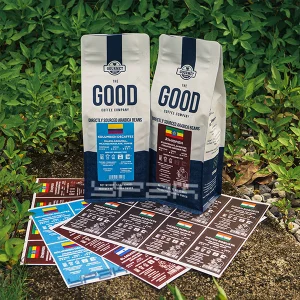
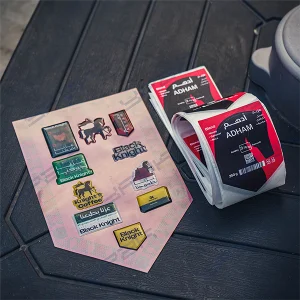
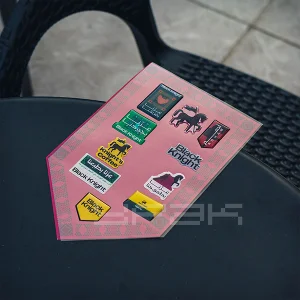
Beyond eco-materials, brand enhancement involves smart dynamic attributes. UV transfer stickers, 3D epoxy resin domes, spot tactile embossing, and serialized scannable QR codes embedded directly into the logo artwork allow consumers to trace roast dates, bean origin coordinates, and roasting profiles instantly.
Pioneering high-barrier coffee packaging manufacturing with multi-facility scale and global delivery reliability.
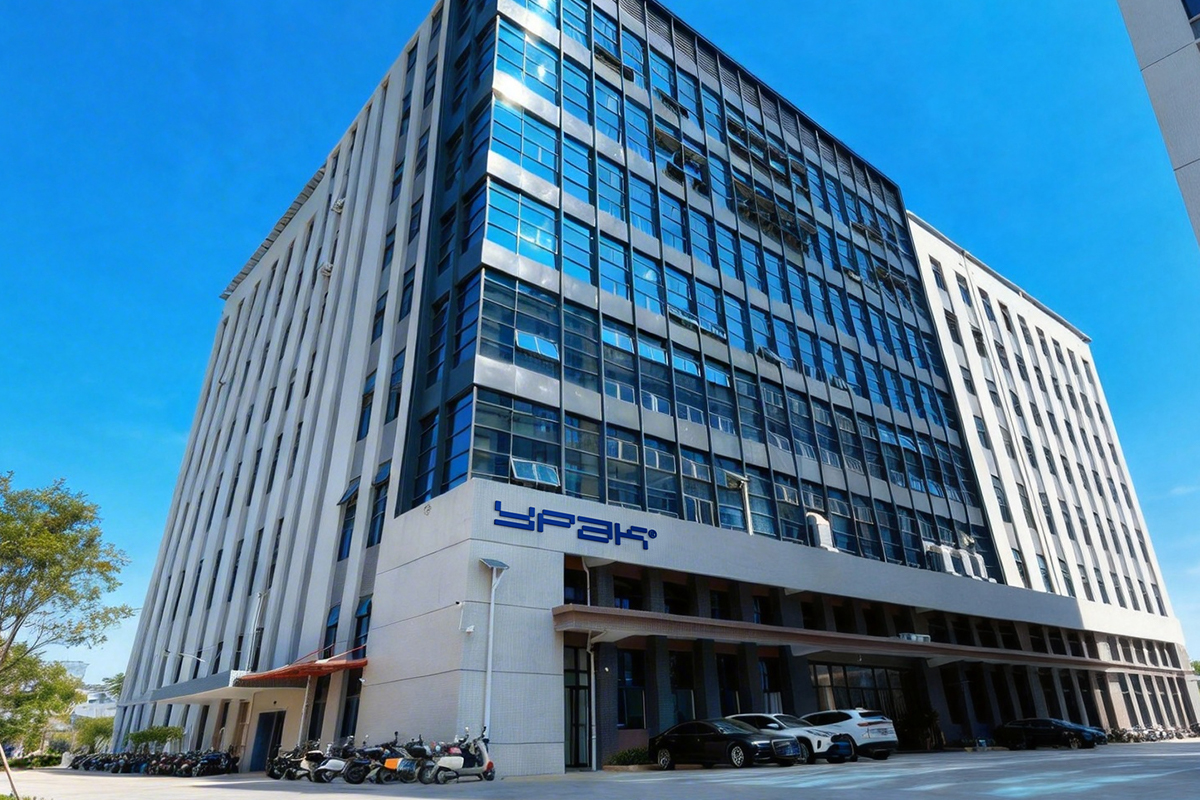
Founded in 2011, YPAK operates three state-of-the-art facilities across Hong Kong, Dongguan, and Foshan, emerging as one of China’s leading coffee bag manufacturers. Our Foshan and Dongguan plants are BRCGS Food Safety and ISO 22000:2018 certified—ensuring every pouch meets rigorous global food contact standards with full batch traceability. We fit Swiss WIPF one-way valves as standard, delivering industry-leading technology for maintaining peak coffee freshness in flexible packaging. Our HP Indigo 25K digital press enables MOQ-free, plate-free runs with photorealistic print quality—perfect for limited editions and market testing. With a 99.5% on-time delivery rate, we keep your production lines moving seamlessly. Our recyclable and compostable pouches help global brands stay ahead of plastic regulations in the EU, UK, and North America—without compromising barrier performance. You are warmly welcome to visit YPAK.
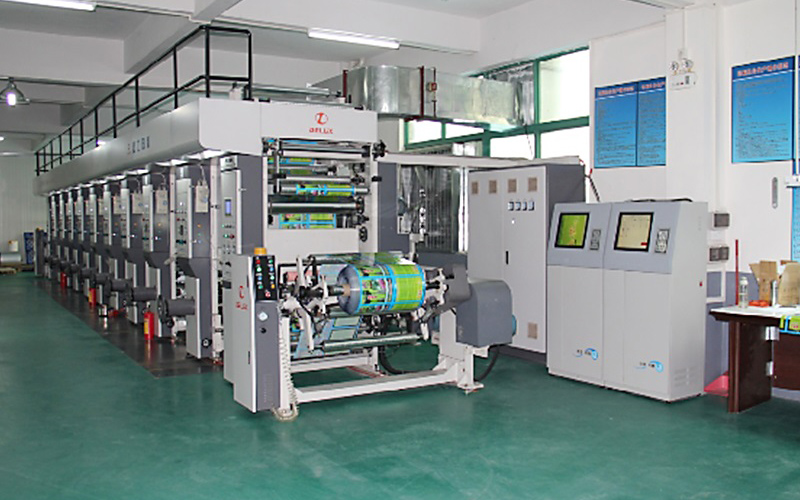
In May 2012, commissioned our first complete flexible packaging production line.
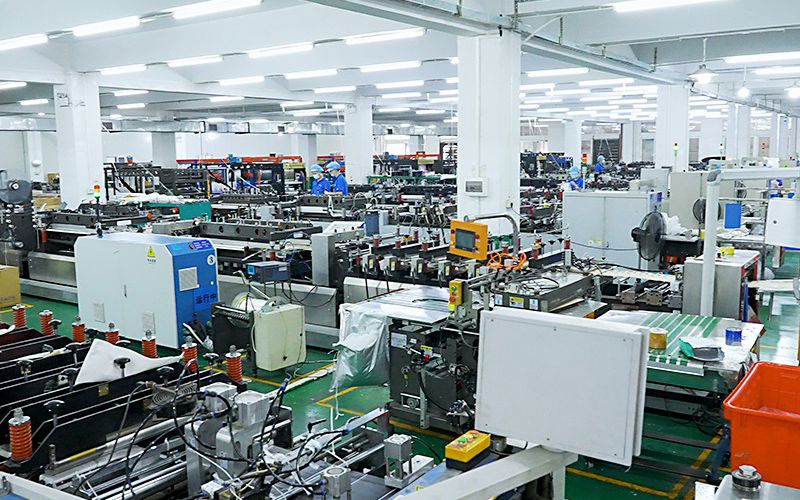
In March 2016, expanded production capacity to specialize in flat bottom box pouches.
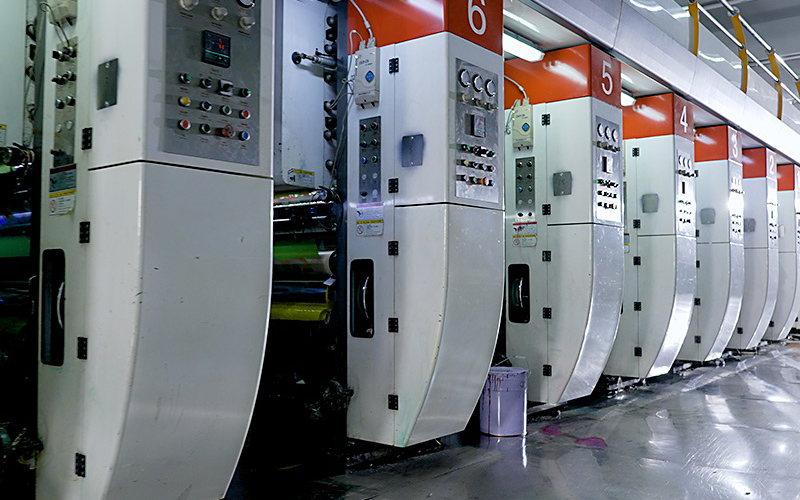
In August 2017, established our second high-capacity converting production facility.
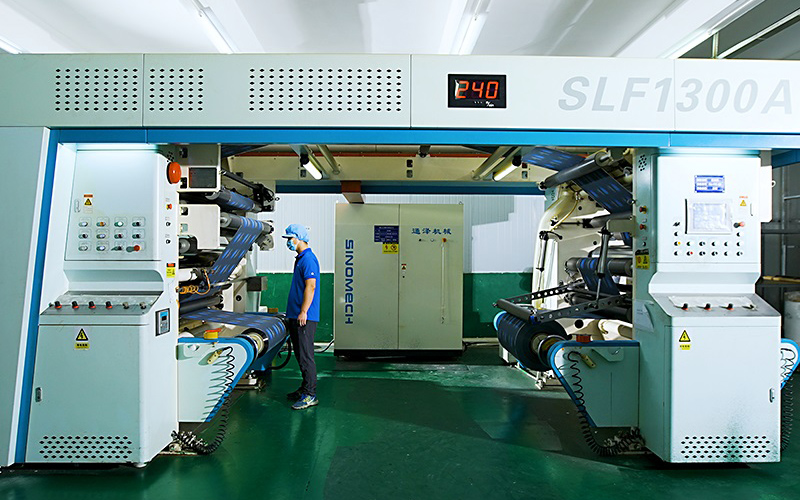
In April 2018, fully integrated eco-friendly solvent-free composite lamination machinery.
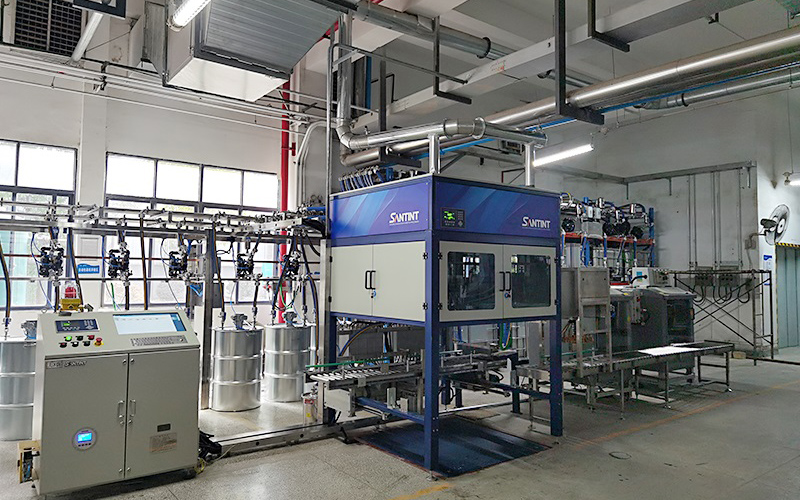
In June 2020, introduced automated ink adjustment systems for exact Pantone reproduction.
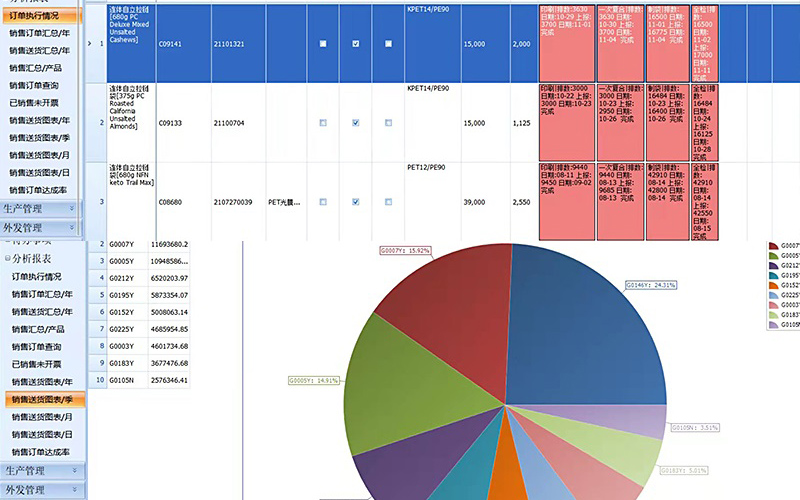
In July 2020, deployed an enterprise ERP management system for real-time tracking.
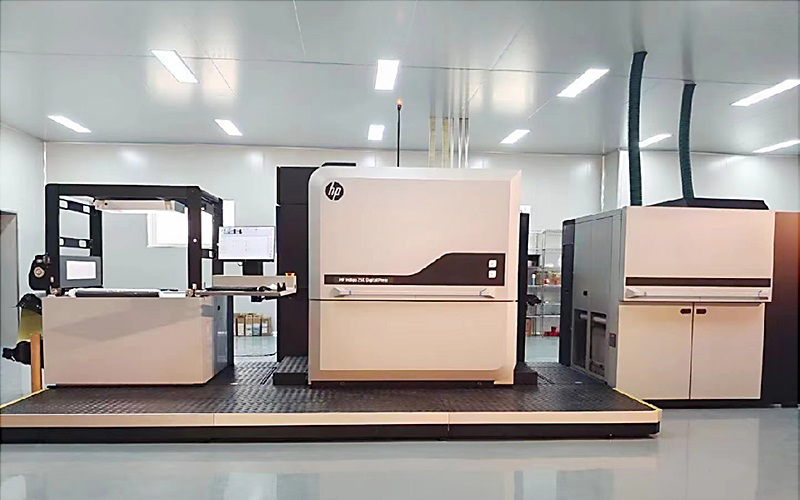
In October 2021, introduced the world-class HP INDIGO 25K digital press for plate-free printing.
Transparent, video-verified production workflows ensuring zero-defect global packaging execution.
Improving customer experience through 1-on-1 online video confirmation. Meeting client needs begins with providing structured pre-sales guidance, building a solid foundation for long-term partnerships. Traditionally, pre-sales involves helping clients pick specs and resolve basic queries. With online video proofing, we eliminate guesswork and provide personal visual verification before artwork sign-off.
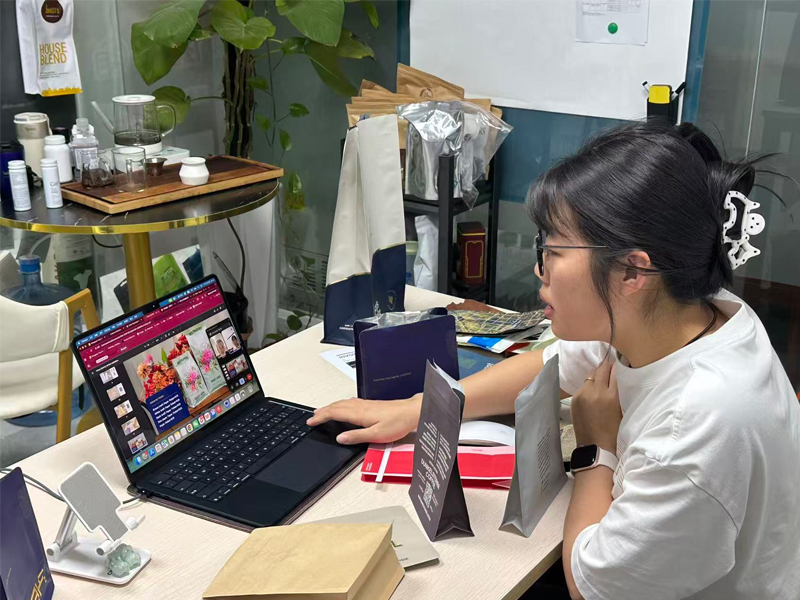
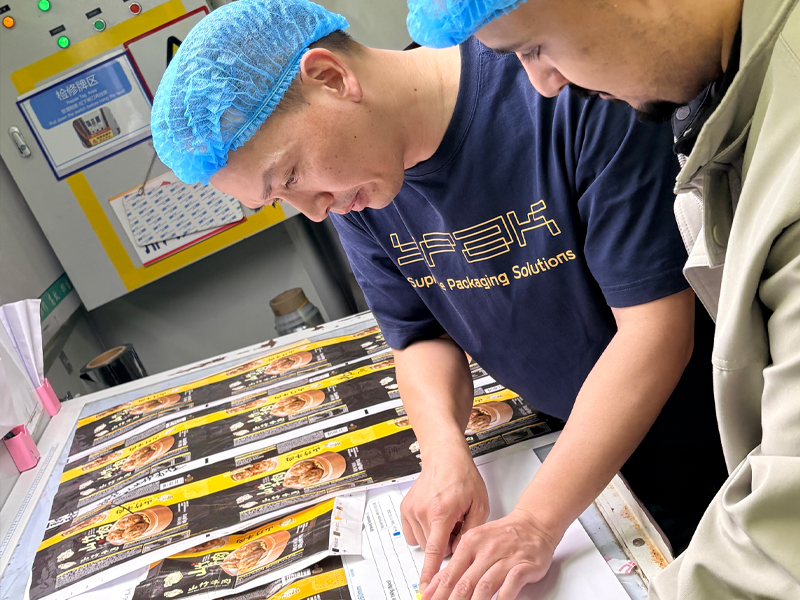
Delivering exceptional mid-sale support to guarantee seamless transitions from artwork sign-off to final bag conversion. Mid-sale service focuses on maintaining absolute control over the manufacturing timeline. We closely monitor and manage each production stage, sending HD videos and photos so customers visualize their packaging production in real time.
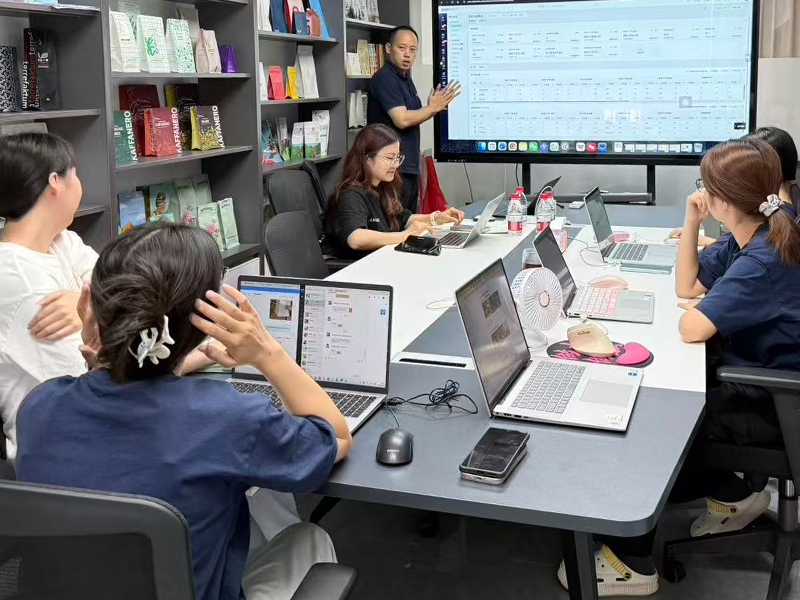
Our after-sales service ensures customer satisfaction while deepening long-term commercial partnerships. By investing in continuous staff training programs and robust feedback channels, we resolve post-delivery requests efficiently, drive repeat customer trust, and maintain long-term packaging performance in competitive markets.
Essential verification steps when procuring custom logo coffee packaging from Chinese suppliers.
To streamline global supply chains and prevent costly downtime or packaging failures, international buyers should follow this standardized engineering and quality assurance protocol:
Specify exact pouch dimensions (Width × Height + Bottom Gusset), film thickness (typically 120 to 150 microns for optimal rigidity), tear notch placement, and zipper type (pocket zipper vs standard press-to-close).
Verify whether degassing valves are optimized for whole bean (standard pressure relief) or ground coffee (mesh filter valve). Ensure thermal valve insertion does not leave micro-channel air leaks around the valve ring.
Request 3D digital renders or physical digital proofs printed on actual target substrates before approving mass gravure cylinder engraving or full-scale press runs.
Request FDA food-contact compliance declarations, EU 10/2011 plastic material certificates, and heavy metal testing reports (EN 71-3) to clear international customs smoothly.
Expert technical answers to high-intent procurement queries on coffee bag manufacturing with custom logo printing.
Thanks to our HP Indigo 25K digital press, MOQ starts as low as 500 to 1,000 pieces per design without any cylinder plate fees. For traditional rotogravure printing with specialized finishes (e.g., custom foil stamping or spot UV), the typical MOQ is 10,000 pieces per SKU.
Roasted coffee beans continuously release CO₂ gas. A one-way degassing valve (such as a Swiss WIPF valve) opens under minor internal pressure to release this gas without allowing ambient oxygen or moisture into the pouch. This prevents oxidation and extends shelf freshness up to 12-24 months.
Yes. Modern mono-material recyclable PE pouches (with EVOH integration) and certified compostable laminates (PLA/Kraft/NK Paper) offer OTR and MVTR barrier properties comparable to metallized foils, giving coffee roasters complete protection while meeting global green regulations.
We offer a wide selection of surface finishes including Matte/Gloss contrast, Soft-Touch Velvet Matte, Metallic Foil Stamping (Gold, Silver, Rose Gold, Holographic), Spot UV coating, Embossing, and 3D Epoxy Dome Transfer Stickers.
Digital printing runs ship within 7–10 working days after artwork approval. Rotogravure orders take 15–20 working days. Ocean freight typically takes 18–30 days depending on the destination port, while express air delivery takes 5–8 days.
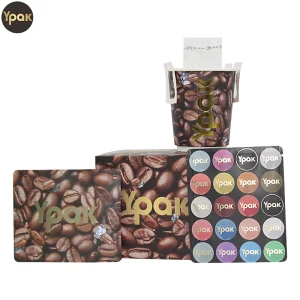
From eco-friendly pouch kits to 3D resin epoxy stickers and heat-insulated mug accessories.
 YPAK PACKAGING