Explore our engineering-grade custom coffee pouches, trial packs, and specialty branding solutions.
Analyzing supply chain evolution, oxygen/moisture kinetics, and structural innovations in modern coffee bag design.
The global specialty coffee landscape has transitioned into a hyper-competitive era where structural packaging design directly impacts shelf life, brand equity, and carbon footprint metrics. Modern coffee bag engineering goes far beyond aesthetics; it functions as a controlled micro-environment engineered to mitigate oxidation, moisture transfer, and volatile aroma degradation. As roasteries scale globally, selecting a high-precision OEM/ODM partner—specifically from established manufacturing hubs in China—has become a strategic lever for operational performance.
Freshly roasted specialty coffee continuously off-gasses carbon dioxide ($CO_2$) for weeks post-roasting due to thermal pyrolysis. If encapsulated in a non-permeable sealed structure without degassing mechanisms, internal pressure build-up inevitably causes catastrophic pouch rupture. Conversely, exposure to ambient Oxygen ($O_2$) accelerates staling through lipid oxidation of delicate coffee oils (triglycerides), degrading complex flavor notes like enzymatic floral aromas and bright malic acidity within hours. Modern manufacturing demands precise material selection, high-barrier laminates, and advanced valve integration to guarantee shelf-stability up to 18–24 months.
Ultra-low Oxygen Transmission Rates (OTR < 0.5 cc/m²/24h) achieved via high-vacuum metallization or EVOH barrier layers, suppressing lipid oxidation and preserving volatile organic compounds (VOCs).
Water Vapor Transmission Rates (WVTR < 0.5 g/m²/24h) engineered to prevent hydrophilic moisture absorption, protecting dark roast cellular structures from premature staling.
Standard integration of Swiss WIPF one-way degassing valves, allowing high-volume $CO_2$ release while physically preventing ambient room air backflow.
Comparative analysis of flexible pouch architectures engineered for maximum retail presence and operational durability.
Choosing the correct structural format dictates both brand positioning on retail shelves and supply chain stackability. China manufacturing facilities lead the global market in perfecting multi-layer extrusion and solvent-free lamination processes. Below is a engineering comparison of primary flexible packaging structures supplied across international markets.
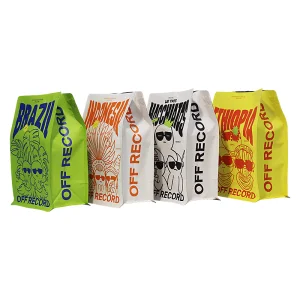
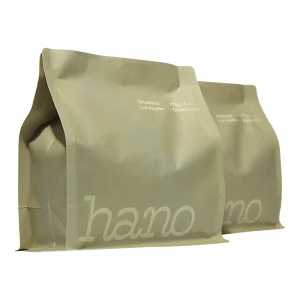
Best For: Enterprise Retail & Specialty 250g / 1kg Brands.
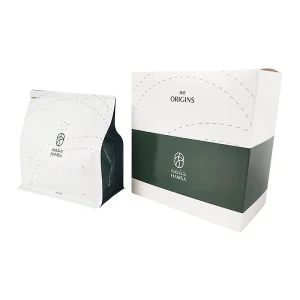
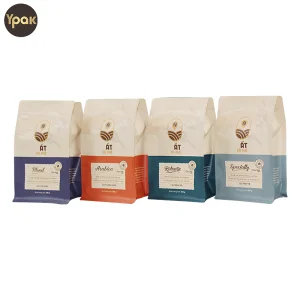
Features 5 printable panels, exceptional vertical stability on supermarket shelves, and flat-base geometry optimizing pallet efficiency by up to 15% over standard stand-up pouches.
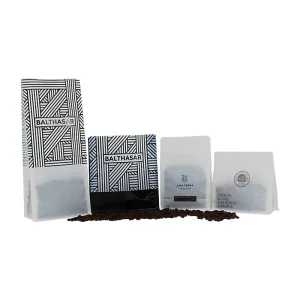
Best For: Traditional Bulk & Commercial Roasters.
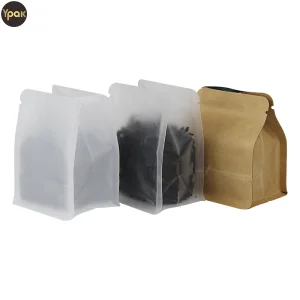
Sealed along four vertical corners to provide robust structural strength. Offers high volumetric capacity with crisp side panels ideal for clean vertical branding and micro-roaster collections.
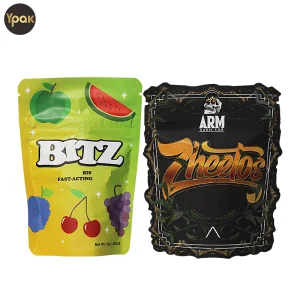
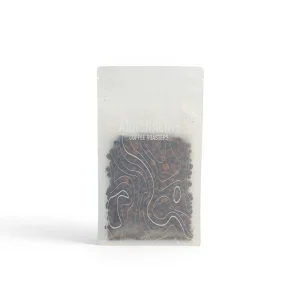
Best For: Entry-Level & Fast-Moving Retail (FMCG).
Classic bottom-k-seal design offering cost-effective production, integrated press-to-close zippers, and versatile sizing from 50g trial units to 500g consumer bags.
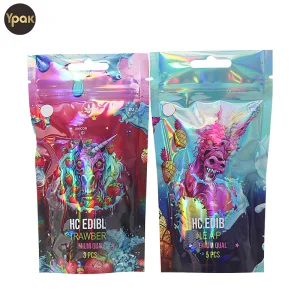
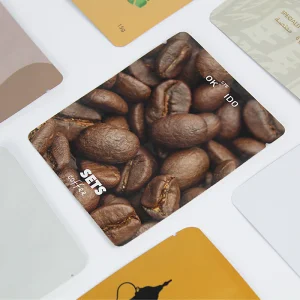
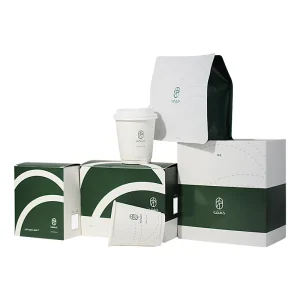
Best For: 15g - 20g Sample Kits & Instant Drip.
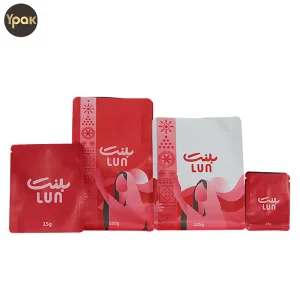
Precision 3-side seal flat sachets optimized for promotional subscription boxes, corporate sample packs, and single-origin tasting flights with high barrier performance.
Outer Layer: Matte BOPP / PET / Kraft Paper (Print surface & tactile feel)
Middle Layer: VMPET (Vacuum Metallized PET), AL Foil, or EVOH (High-barrier gas & light shielding)
Inner Contact Layer: Food-Grade LLDPE / Mono-PE (Heat sealing, hermetic integrity, puncture resistance)
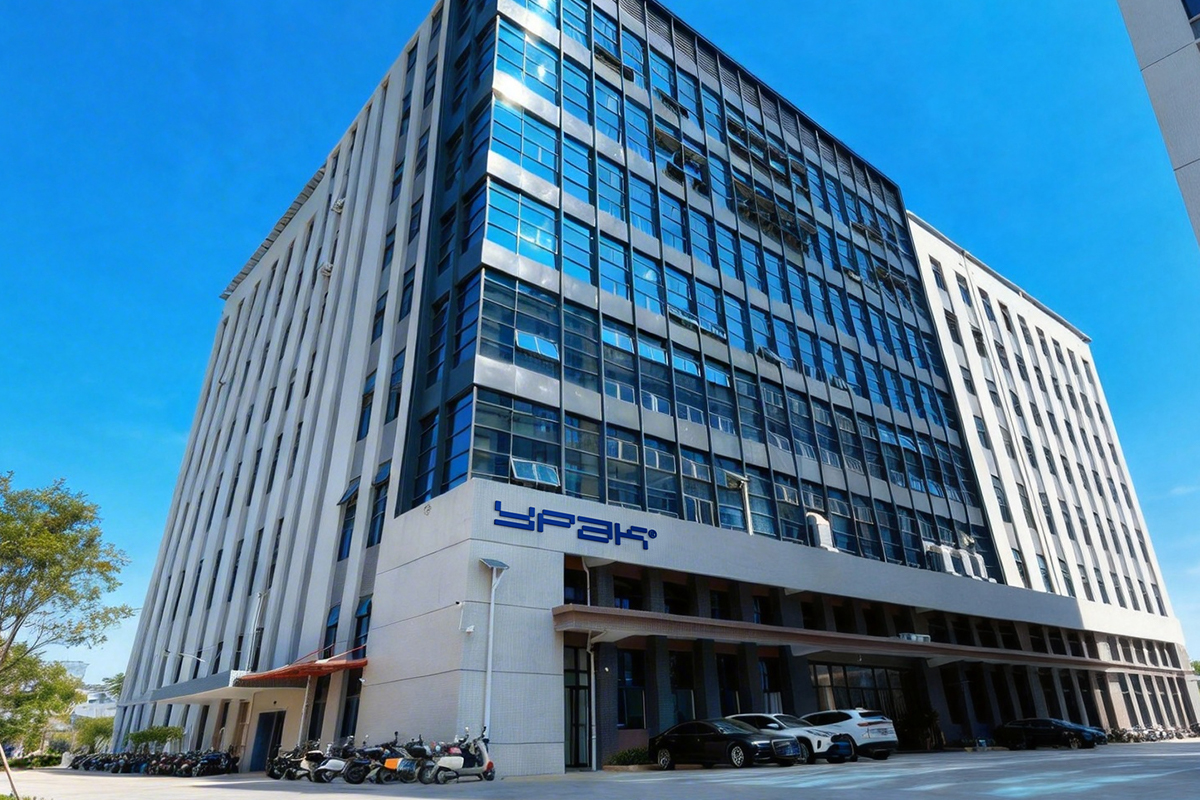
Over a decade of manufacturing excellence, certified food-grade facilities, and advanced digital printing capabilities.
YPAK PACKAGING GROUP was founded in 2011 and operates three state-of-the-art facilities across Hong Kong, Dongguan, and Foshan, establishing itself as one of China’s leading coffee bag manufacturers and exporters. Our Foshan and Dongguan production centers hold rigorous BRCGS Food Safety Grade A and ISO 22000:2018 certifications, guaranteeing that every flexible pouch adheres to strict global food-contact safety frameworks with batch-level digital traceability.
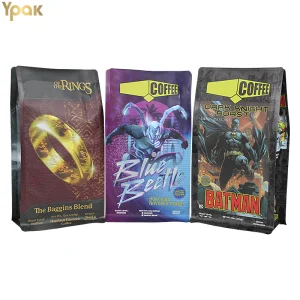
We feature genuine Swiss WIPF one-way degassing valves as a standard engineering option, delivering international gold-standard freshness retention for specialty roasters. Our flagship investment in the HP Indigo 25K Digital Press unlocks zero-MOQ, plate-free production runs with photo-realistic 7-color printing—enabling hyper-customized limited edition releases, seasonal origin drops, and rapid prototype testing without costly cylinder tooling fees.
With an audited 99.5% on-time delivery rate, YPAK protects your roasting schedule. Furthermore, our recyclable Mono-PE and certified industrial/home compostable pouch solutions empower international coffee brands to stay fully compliant with evolving plastic regulations in the EU (PPWR), UK, and North America without sacrificing barrier performance or shelf appeal.
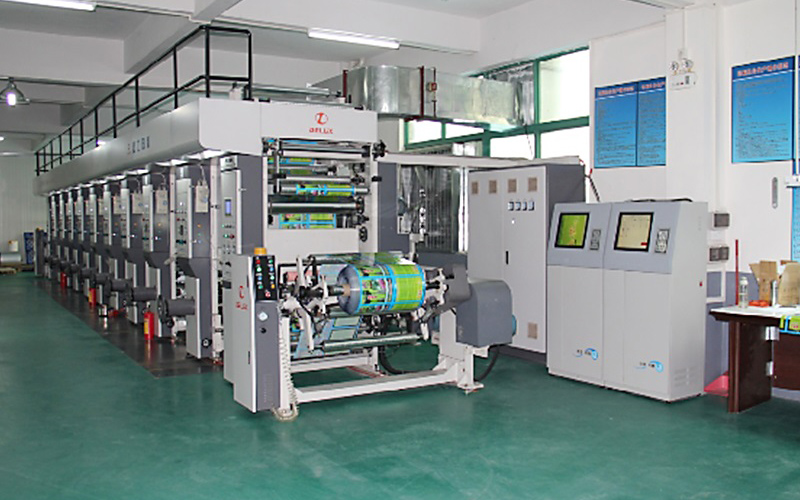
In May 2012, commissioned our first fully automated flexible packaging production line.
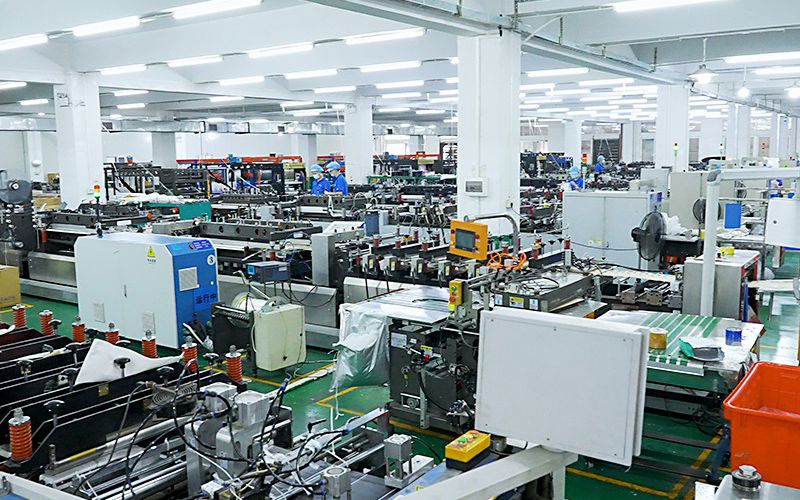
In March 2016, pioneered specialized production lines for premium flat-bottom box pouches.
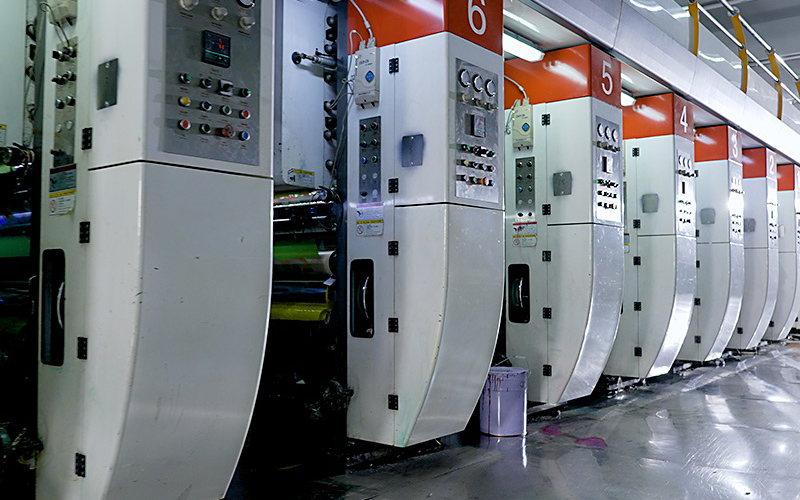
In August 2017, established our second high-speed converting facility to double factory output.
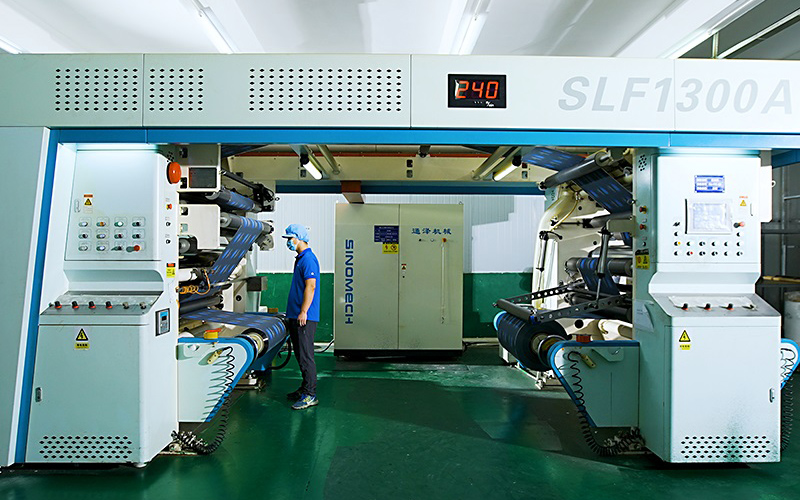
In April 2018, transitioned 100% of laminations to eco-friendly solvent-free composite technology.
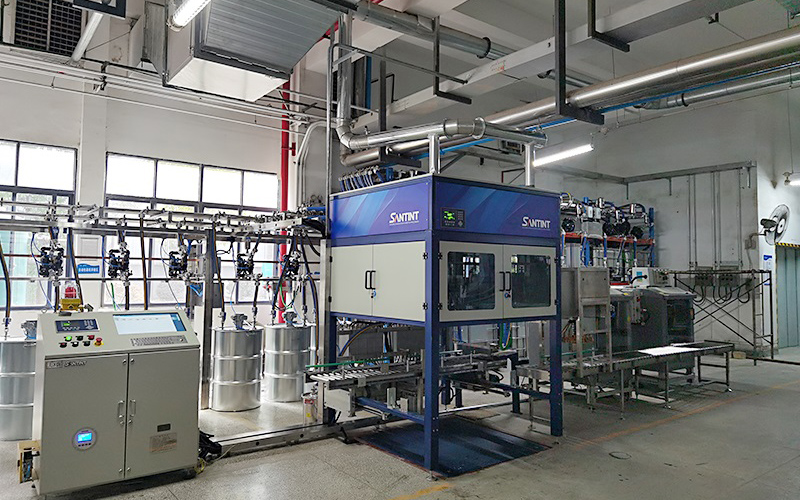
Integrated fully automated closed-loop ink matching systems for Delta-E color consistency under <1.5.
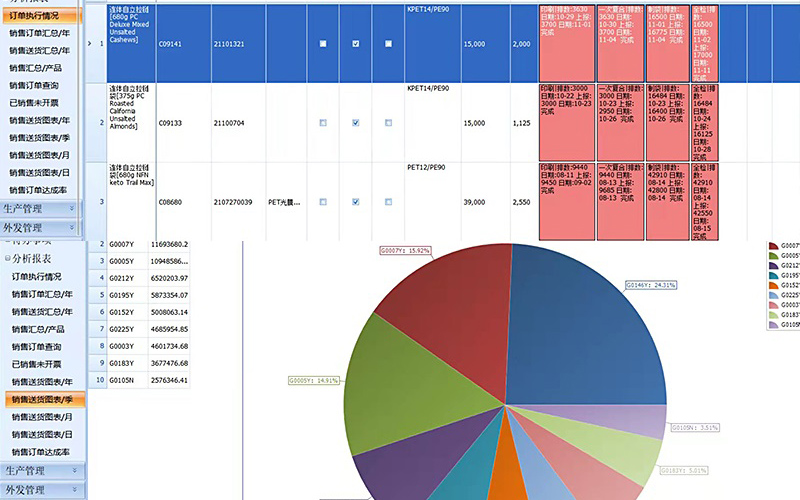
Implemented enterprise-wide intelligent ERP production tracking across all material workflow stages.
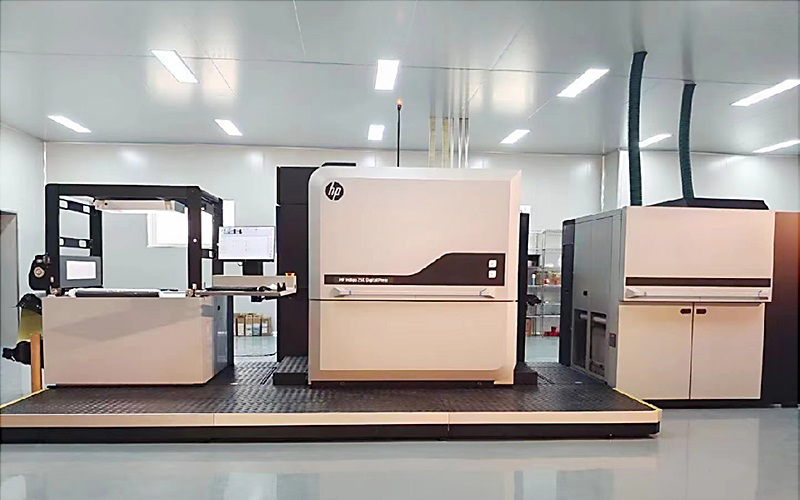
Acquired the state-of-the-art HP INDIGO 25K Digital Press, launching plate-free custom coffee bag printing.
Full-funnel client support framework designed to remove cross-border manufacturing friction.
One of the critical factors in satisfying international brand standards is establishing precise pre-sales technical alignment. We provide dedicated 1-on-1 engineering consultation to ensure accurate dieline selection, barrier material matching, and artwork pre-flight verification. Traditionally, global pre-sales involved tedious sample shipping cycles. At YPAK, we utilize HD online video proofing and live color-spectrum calibrations, taking the guesswork out of production and providing fast sample turnarounds.
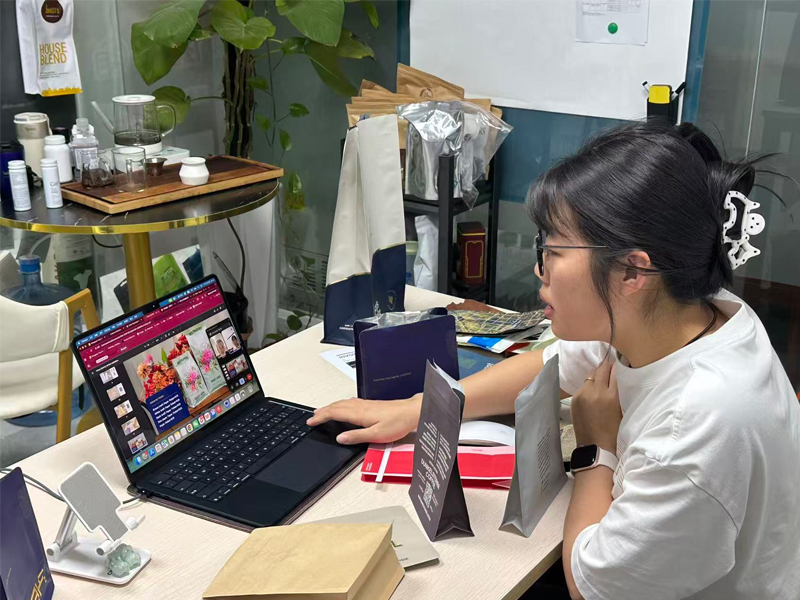
Our mid-sale execution ensures a seamless transition from initial artwork approval to final factory dispatch. Maintaining total control over the production workflow is key. Through our integrated ERP system, we closely monitor each conversion phase—from film extrusion, digital/rotogravure printing, and solvent-free lamination, to degassing valve insertion and pouch forming. Clients receive real-time video clips, photo logs, and automated lab test reports (seal strength, burst pressure, tensile test) keeping them informed every step of the way.
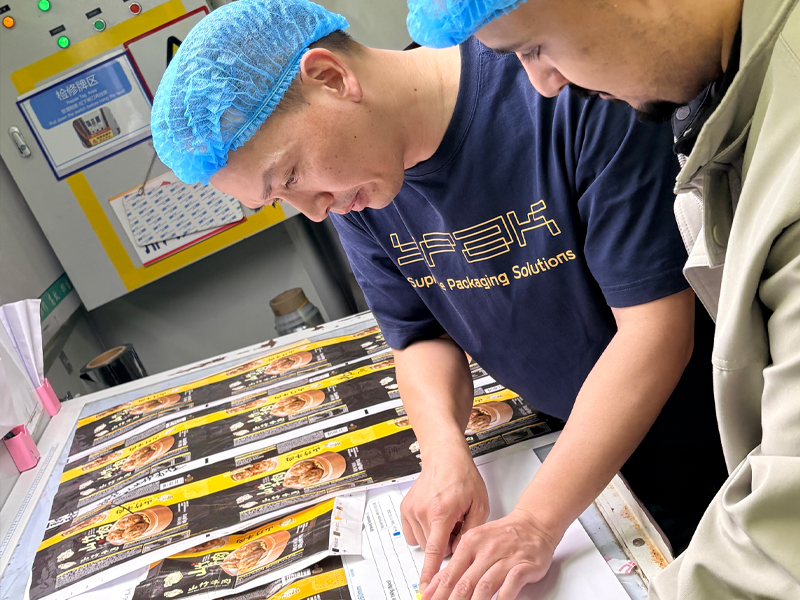
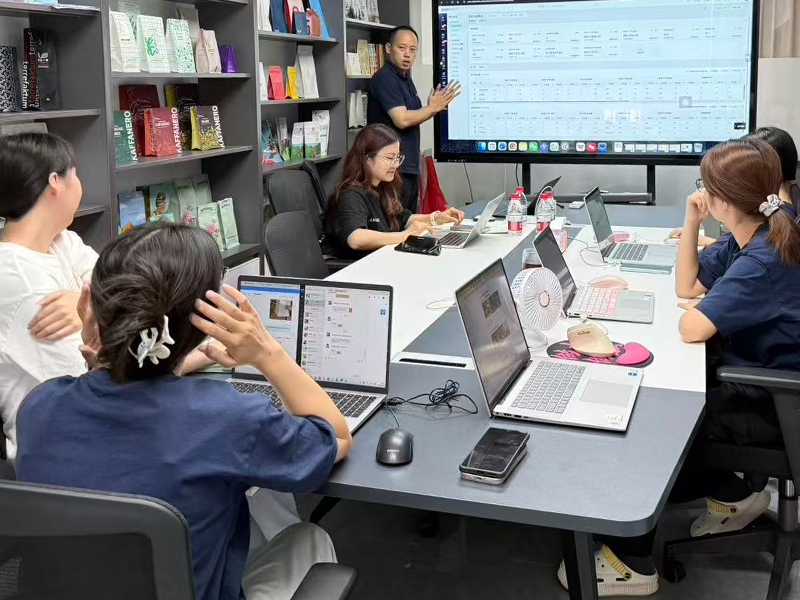
Our commitment extends far beyond container dispatch. Delivering exceptional after-sales support guarantees seamless integration into automated filling lines (such as Matrix, Bosch, or Viking Masek equipment). We offer batch trace records, full compliance documentation (FDA 21 CFR, EU 10/2011), and immediate technical resolution for any operational challenges. Investing in continuous staff training and structured feedback channels enables long-term growth and high client retention worldwide.
Engineered mono-material and compostable matrices fully compliant with strict EU and US environmental directives.
Global environmental mandates—including the European Union’s Packaging and Packaging Waste Regulation (PPWR) and extended producer responsibility (EPR) laws across North America—are rapidly rendering traditional non-recyclable multi-material aluminum laminates obsolete. Forward-thinking roasters must migrate toward circular packaging solutions without compromising gas barrier protection or shelf durability.
Engineered using oriented PE (MDO-PE) combined with high-barrier EVOH-PE sealant layers. This creates a single-polymer family pouch (RIC #4) that can be processed in standard curbside plastic recycling streams globally.
Utilizes certified bio-based polylactic acid (PLA) films derived from renewable plant starches, combined with kraft paper and compostable degassing valves. Fully disintegrates under industrial composting conditions per EN 13432 & ASTM D6400.
Zero volatile organic compound (VOC) emissions during manufacture. Solvent-free adhesives eliminate chemical odor transfer into sensitive light-roast coffee beans while increasing lamination bond strength.
Comprehensive product catalog items engineered for modern coffee roasteries and retail shelf appeal.
Integrating digital traceability, high-fidelity tactile finishes, and Next-Gen barrier polymers.
The future of specialty coffee packaging lies at the intersection of material science and digital consumer engagement. YPAK continues to invest heavily in smart packaging initiatives. By integrating serialized dynamic QR codes onto HP Indigo printed runs, roasters can offer consumers end-to-end bean traceability—from farm altitude and lot harvest dates to precise roast profiles and brewing recipes.
On the structural side, our engineering R&D is focused on high-barrier mono-material films with AlOx (Aluminum Oxide) vacuum coatings, achieving transparent window pouches with barrier ratings matching opaque foil pouches. Furthermore, specialized finishes such as spot matte varnishes, tactile embossing, and holographic foil stamping elevate brand positioning, transforming simple packaging into an immersive sensory experience.
Expert insights addressing key manufacturing, material, and logistics queries for international buyers.
Freshly roasted coffee beans emit significant amounts of carbon dioxide ($CO_2$) gas for several days post-roast. A one-way degassing valve (such as our Swiss WIPF valves) allows this trapped gas to escape without allowing external oxygen ($O_2$) or moisture to enter. This prevents pouch ballooning or bursting while preserving delicate aromas and preventing oil rancidity.
Rotogravure printing utilizes custom copper cylinders, making it extremely cost-effective for large production runs (typically 10,000+ units per SKU). Digital printing via our HP Indigo 25K press eliminates cylinder setup fees entirely, enabling low MOQs, variable artwork designs, zero setup scrap, and rapid turnaround times—ideal for seasonal micro-lots and specialty roasters.
Yes. Modern Mono-PE structures incorporate advanced EVOH co-extrusion technology. This delivers Oxygen Transmission Rates (OTR) and Water Vapor Transmission Rates (WVTR) below 0.5 cc/m²/24h—matching the shelf-life performance of classic aluminum laminate pouches while remaining 100% recyclable under PE stream #4.
All YPAK manufacturing centers in Foshan and Dongguan operate under BRCGS Food Safety Grade A standards and ISO 22000:2018 certification. Every pouch substrate, ink formulation, and adhesive resin complies strictly with US FDA 21 CFR 177 and EU Regulation 10/2011 for direct food contact safety.
 YPAK PACKAGING