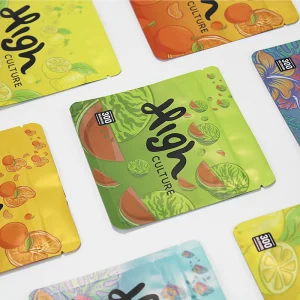
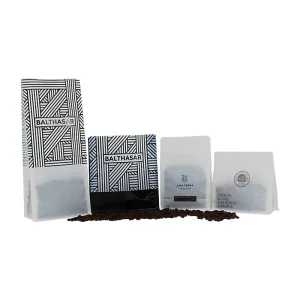
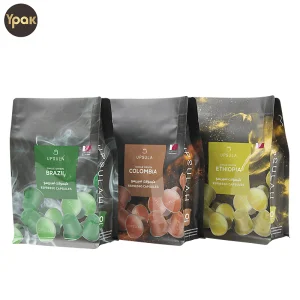
Explore our engineered flexible packaging solutions designed for maximum oxygen barrier protection, prolonged shelf life, and striking shelf presence.
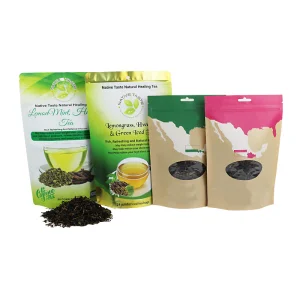
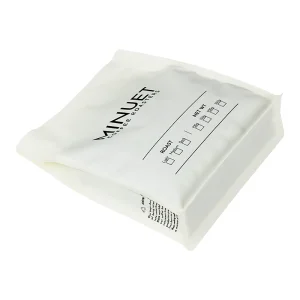
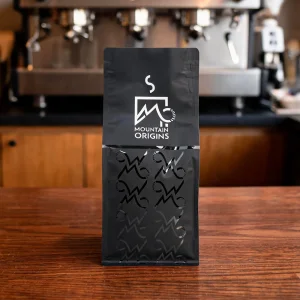
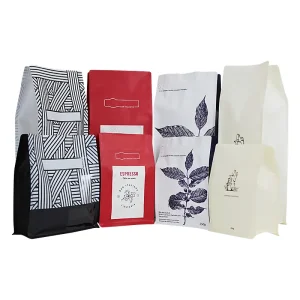
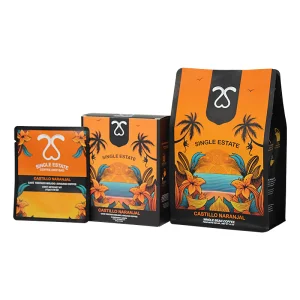
In the rapidly evolving landscape of global specialty coffee, commercial coffee chains, and direct-to-consumer roasters, packaging is no longer merely a container—it is a critical, multi-layered bio-preservation system and brand catalyst. Freshly roasted coffee beans are active biochemical entities, continually releasing carbon dioxide ($\text{CO}_2$) while remaining highly vulnerable to atmospheric oxygen ($\text{O}_2$), ambient moisture, ambient light, and volatile aromatic loss. Sourcing high-performance packaging from a premier China Coffee Bag Company Supplier & Factory like YPAK Packaging Group empowers global brands to bridge the gap between peak roast quality and extended retail shelf life.
The shift toward high-barrier engineered flexible laminates has transformed global procurement strategies. Modern enterprise coffee brands require strict material performance metrics: Oxygen Transmission Rates (OTR) dropping below $0.5 \text{ cc/m}^2\cdot24\text{h}\cdot\text{atm}$, Water Vapor Transmission Rates (WVTR) under $0.5 \text{ g/m}^2\cdot24\text{h}$, and precise thermal seal strength exceeding $35 \text{ N/15mm}$. Achieving these engineering metrics at scale demands advanced multi-layer co-extrusion, solvent-free lamination technology, and precision degassing valve integration.
Multi-layer foil and EVOH structures engineered to arrest oxidative degradation, protecting delicate lipids, chlorogenic acids, and volatile terpenes.
Integration of Swiss WIPF one-way degassing valves to vent outgassed $\text{CO}_2$ (up to 10L per kg of dark roast) without admitting oxygen.
Fully compliant Mono-PE/PP recyclable materials and certified compostable (EN 13432 / ASTM D6400) PLA & Kraft paper flexible pouches.
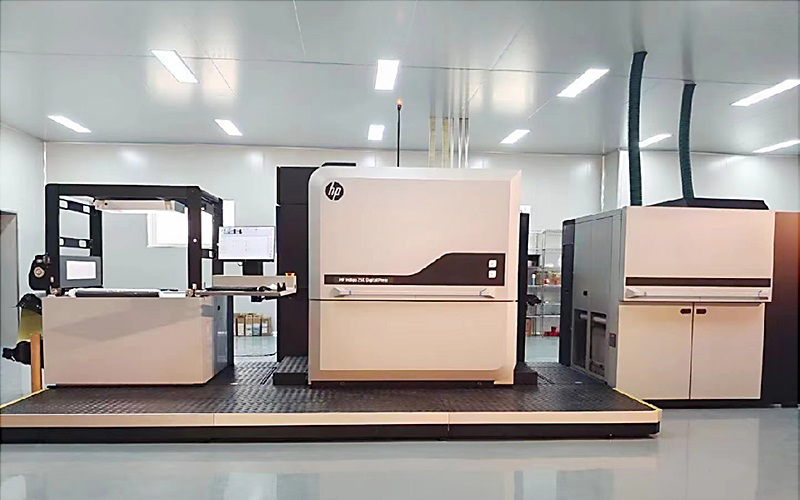
HP Indigo 25K digital press deployment eliminating cylinder costs, allowing zero-MOQ, rapid SKU testing, and micro-lot specialty series.
China’s Guangdong province—specifically the industrial manufacturing hubs of Dongguan and Foshan—stands as the world’s most advanced ecosystem for flexible packaging production. This geographic clustering provides an unmatched strategic advantage for international coffee brands seeking scalable, cost-efficient, and highly customized packaging solutions.
By concentrating raw material resin synthesis, film blowing, rotogravure and digital printing, high-speed lamination, automatic pouch forming, and quality assurance within a 50-kilometer radius, Chinese manufacturers like YPAK achieve radical process efficiency. This dense industrial network reduces procurement lead times, eliminates cross-border component shipping overheads, and grants direct access to next-generation raw materials such as ultra-pure Kraft papers, high-barrier EVOH films, and certified biodegradable resins (PBAT/PLA).
From custom masterbatch color blending to high-precision slitting and automated valve insertion, all processes are vertically integrated within certified cleanroom environments, guaranteeing maximum food safety and structural uniformity.
Automated high-speed pouching lines capable of 120-150 units per minute deliver substantial unit-cost economies of scale without sacrificing stringent quality control metrics or custom surface embellishments.
Engineers can transition from digital artwork and 3D CAD pouch modeling to fully functional physical sample pouches in under 72 hours, drastically reducing time-to-market for international roasters.
Selecting the appropriate multi-layer laminate construction is crucial to balance freshness preservation, physical puncture resistance, sustainability compliance, and unit cost. The data table below outlines the performance characteristics of our primary engineered film structures:
| Film Laminate Structure | Target Application | OTR ($cc/m^2\cdot24h\cdot atm$) | WVTR ($g/m^2\cdot24h$) | Recyclability / Eco Status | Puncture Strength |
|---|---|---|---|---|---|
| PET / AL / LLDPE (Traditional Foil High Barrier) |
Long shelf life (18-24 mos), dark roast beans, export shipments | < 0.1 | < 0.1 | Landfill / Thermal Recovery | Very High (45 N) |
| PET / VMPET / LLDPE (Metallized Matte Finish) |
Standard retail coffee (6-12 mos), cost-sensitive retail lines | < 0.5 | < 0.5 | Standard Flexible Stream | High (38 N) |
| Kraft Paper / VMPET / PE (Natural Aesthetic Pouch) |
Organic & artisanal roasters, tactile premium shelf presence | < 0.5 | < 0.6 | Partial Paper Composite | Medium (30 N) |
| MDO-PE / EVOH-PE (Mono-Material Recyclable) |
EU Circular Economy compliance, modern eco-focused retail | < 0.8 | < 1.0 | 100% Recyclable (RIC 4 PE) | High (35 N) |
| Kraft Paper / PLA / PBAT (100% Certified Compostable) |
Zero-waste zero-plastic mandates, home/industrial compost | < 1.5 | < 2.5 | EN 13432 / ASTM D6400 | Moderate (25 N) |
Freshly roasted whole-bean coffee releases extensive volumes of gas—predominantly carbon dioxide ($\text{CO}_2$)—due to the thermal breakdown of sugars and organic acids during the roasting process. A single kilogram of specialty dark-roasted coffee can outgas up to 10 liters of $\text{CO}_2$ over a two-week period. Without an efficient venting mechanism, sealed pouches experience severe ballooning, seam stress, and catastrophic seal failure.
YPAK standardizes on premium Swiss WIPF one-way degassing valves. Engineered with high-precision rubber membranes and specialized silicone oil seals, these valves open at minute internal pressure differentials ($0.5 \text{ to } 2.0 \text{ mbar}$) to release accumulated $\text{CO}_2$ while instantly resealing to prevent ambient oxygen entry ($21\% \text{ atmospheric } \text{O}_2$). This one-way directional fluid control arrests lipid oxidation, prevents staling, and retains delicate aromatic sulfur compounds (such as 2-furfurylthiol) critical for specialty coffee scoring.
Valves are integrated into pouch inner layers via high-frequency ultrasonic welding rather than conductive heat sealing, ensuring zero thermal deformation of outer printed films and zero seal micro-leaks.
For pre-ground fine espresso coffee applications, integrated mesh filter screens prevent fine coffee dust from obstructing the valve membrane, guaranteeing flawless one-way venting.
To complement our compostable Kraft and PLA pouch offerings, we supply certified 100% bio-based degassing valves manufactured from renewable wood cellulose derivatives.
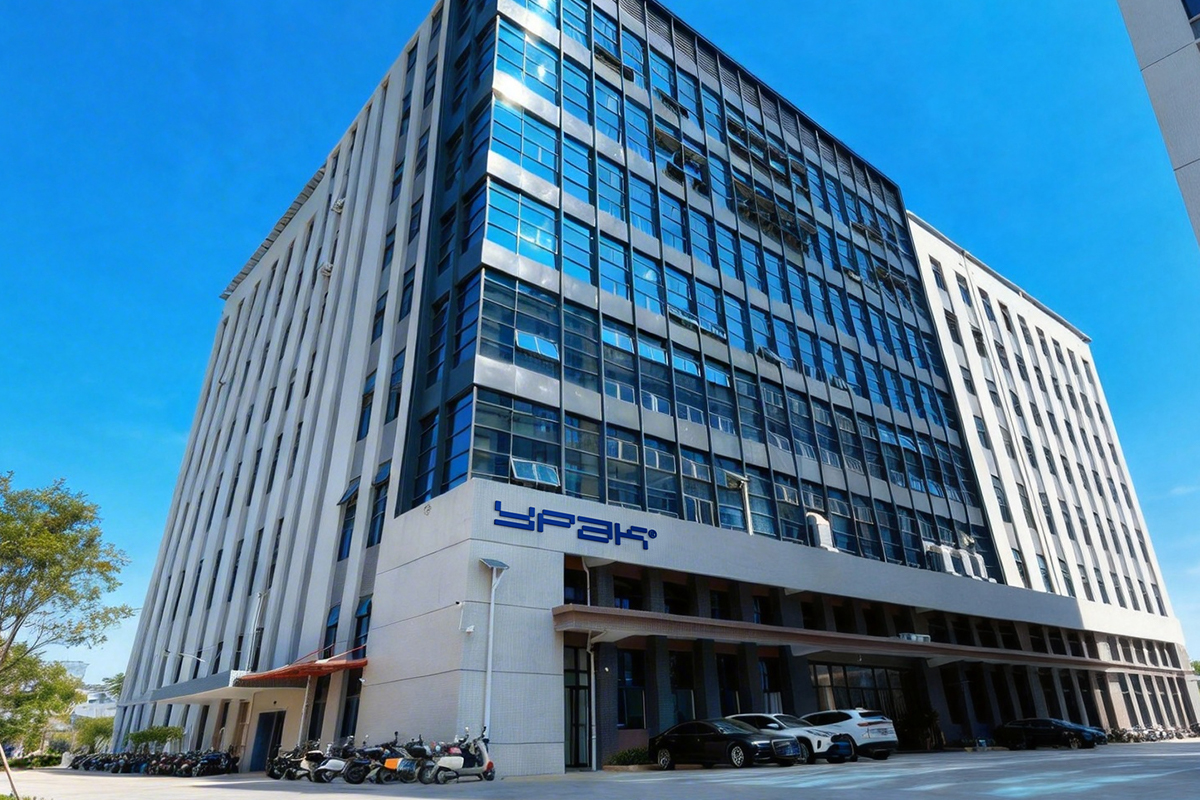
Founded in 2011, YPAK Packaging Group operates three state-of-the-art facilities across Hong Kong, Dongguan, and Foshan, emerging as one of China’s leading coffee bag manufacturers. Our Foshan and Dongguan plants are BRCGS Food Safety (AA Grade) and ISO 22000:2018 certified—ensuring every pouch meets rigorous global food contact standards with full traceability. We fit Swiss WIPF one-way valves as standard, delivering industry-leading technology of keeping coffee freshness in our packaging. Our HP Indigo 25K digital press enables MOQ-free, plate-free runs with photorealistic print quality—perfect for limited editions and market testing. With a 99.5% on-time delivery rate, we keep your production lines moving. Our recyclable and compostable pouches help you stay ahead of plastic regulations in the EU, UK, and North America—without compromising performance. You are welcome to visit YPAK.
Our journey reflects continuous investment in advanced technology, solvent-free processing, and digital printing capabilities:
Installation of the first complete flexible packaging production line, initiating specialized coffee pouch manufacturing.
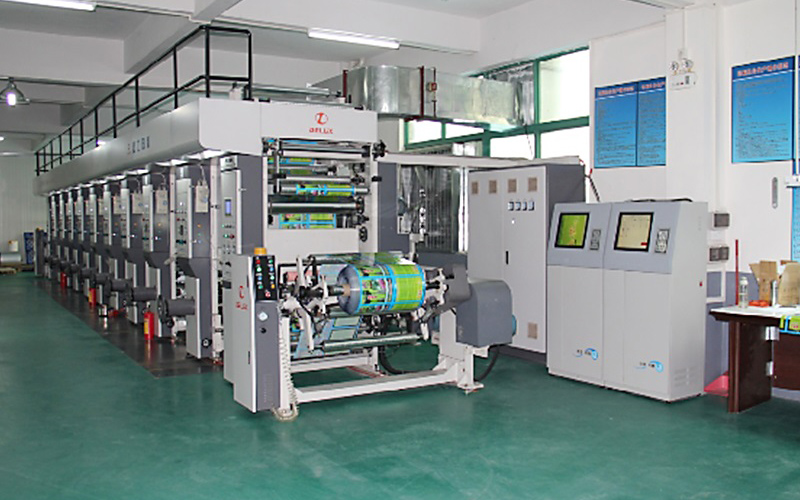
Began dedicated production of 5-panel box pouches and flat bottom coffee bags with pocket zippers.
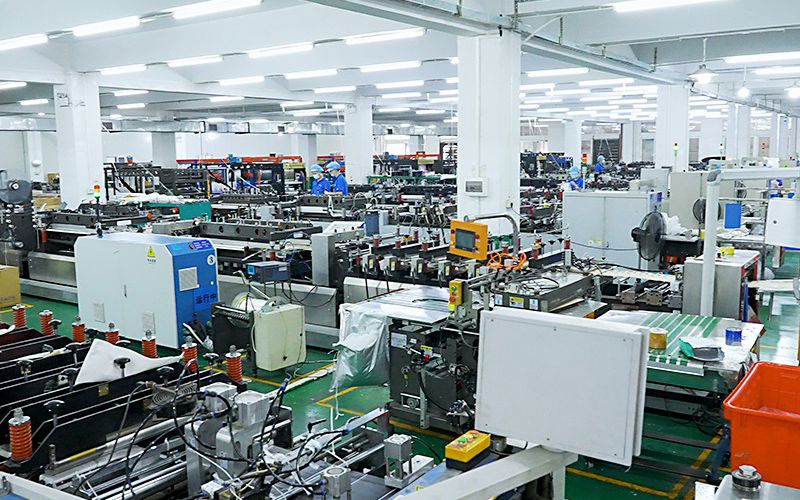
Expansion of production facilities and commission of the second high-speed packaging production line.
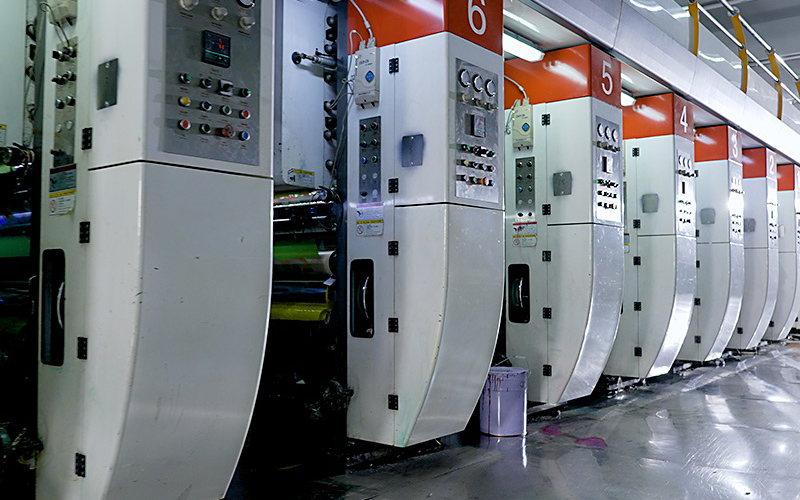
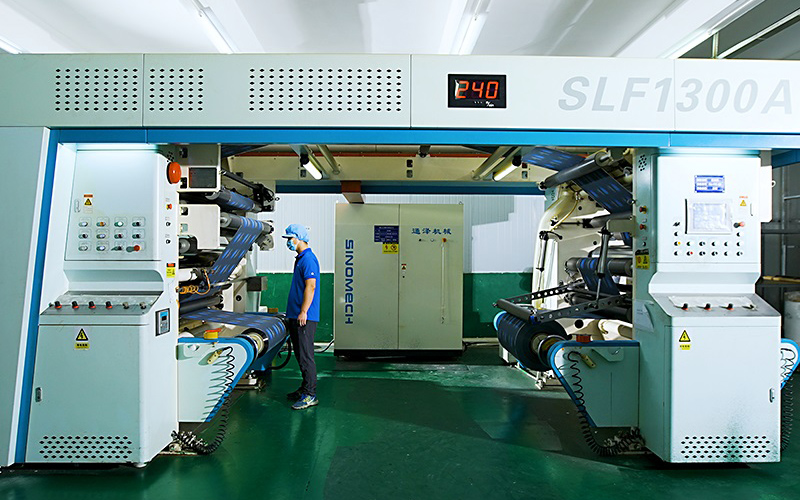
Full adoption of eco-friendly solvent-free composite lamination technology, eliminating VOC emissions.
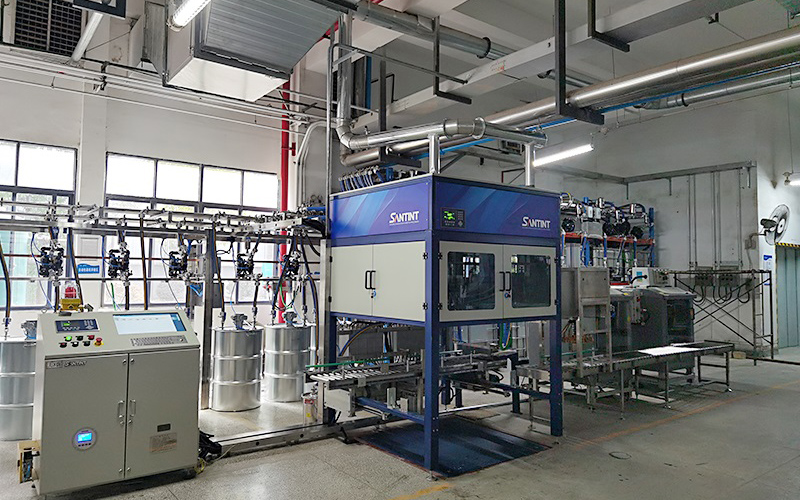
Introduced the automated closed-loop ink adjustment system, ensuring Pantone color matching accuracy ($\Delta E < 1.5$).
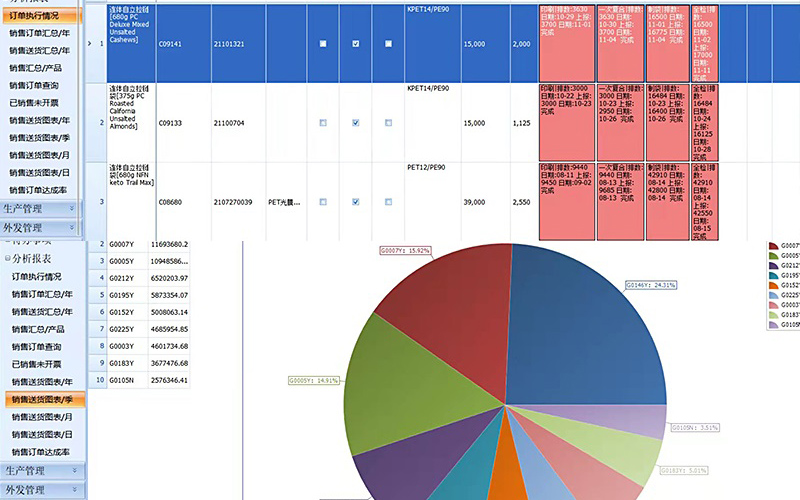
Implemented enterprise-wide ERP production management system for real-time order tracking and quality auditability.
Commissioned the flagship HP INDIGO 25K digital printing press, revolutionizing short-run zero-MOQ customized coffee packaging.
To eliminate international sourcing friction, time-zone delays, and specification misunderstandings, YPAK provides an end-to-end service framework for global enterprise clients:
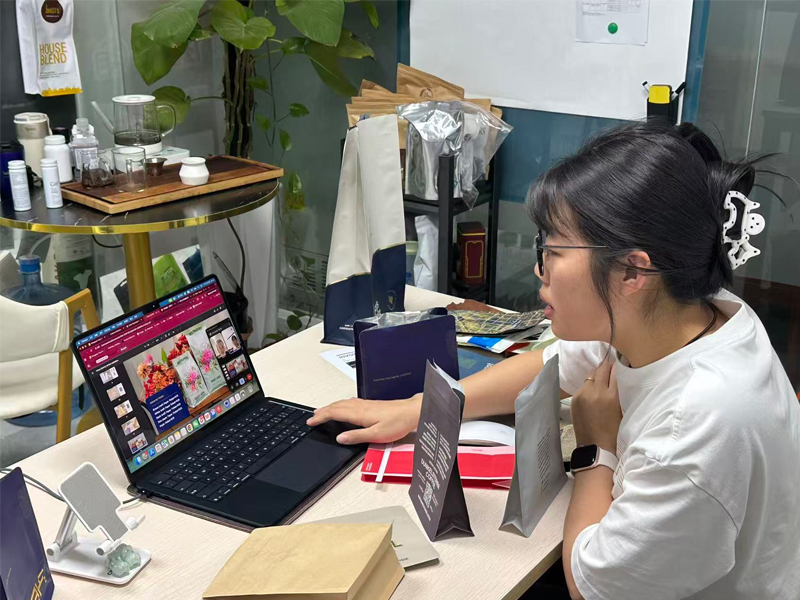
Improving Customer Experience Through Live Video Confirmation: One of the keys to meeting customer needs is to provide excellent pre-sales service, which helps build a solid foundation for long-term partnerships. We provide one-on-one engineering consultation to ensure accurate technical communication.
Traditionally, pre-sales service involves selecting standard products and resolving basic inquiries. However, this traditional process is often time-consuming and presents challenges in confirming tactile material finishes. With our 4K online video confirmation and rapid physical sample dispatch, we eliminate guesswork and provide personal, precise attention before production begins.
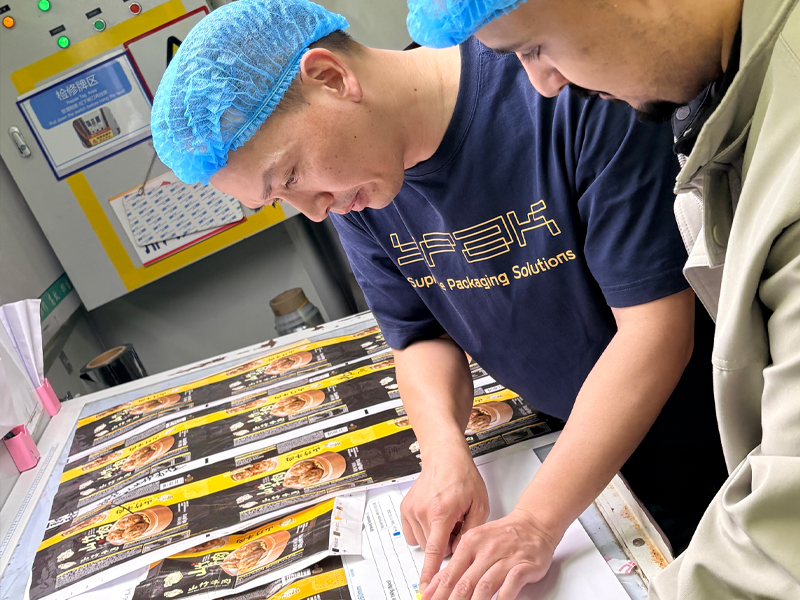
Full Production Transparency & Real-Time Monitoring: Mid-sale service is about maintaining total control over the manufacturing workflow. It is an essential step ensuring a seamless transition from order placement to final dispatch.
We closely monitor each stage of production—slitting, printing, lamination, and pouching—to guarantee strict quality control. Clients receive HD video clips, spectral ink verification sheets, and high-resolution photo logs of their specific production runs, allowing visual verification of pouch dimension, zipper integrity, and valve placement in real time.
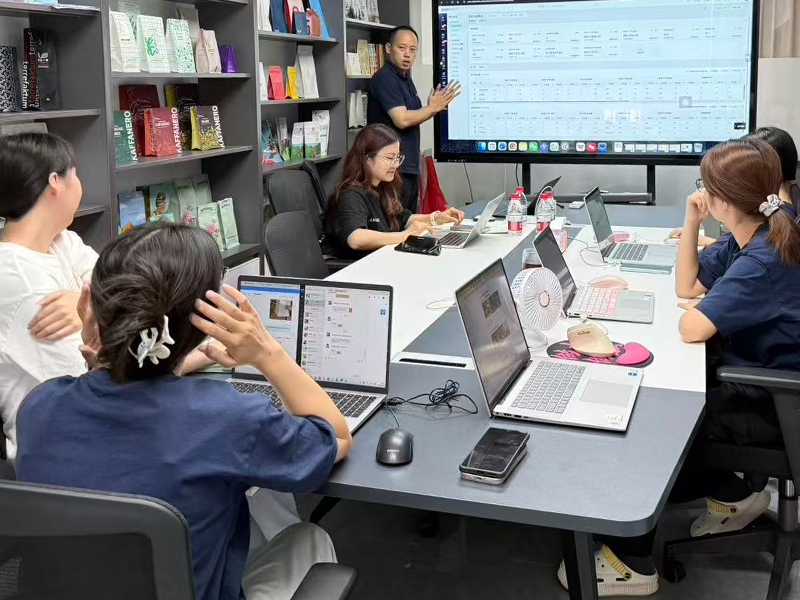
Long-Term Reliability & Traceability Commitments: Our engagement does not end when shipment leaves our port. Exceptional after-sales support ensures client satisfaction, fostering repeat orders and positive word-of-mouth marketing.
Every shipment is tagged with full batch lot numbers linked to raw material test reports (COAs). By investing in continuous training and maintaining structured feedback channels, we quickly address operational inquiries, guarantee warranty replacement for any technical defect, and help clients adapt to changing local packaging regulations.
Navigating international food packaging compliance requires strict adherence to regional legislative frameworks. As a responsible manufacturer, YPAK’s production protocols align with food-grade sanitation directives across North America, the European Union, the United Kingdom, and the Asia-Pacific region.
Our manufacturing facilities maintain AA-grade BRCGS certification (Global Standard for Packaging Materials), adhering to strict HACCP guidelines, hygiene controls, and chemical hazard prevention.
All polymer films, adhesives, masterbatches, and printing inks are fully compliant with US FDA food contact regulations and EU Regulation (EU) No 10/2011 regarding plastic materials intended to come into contact with food.
Our compostable coffee bag series are independently certified to disintegrate in industrial composting facilities within 180 days, leaving zero toxic heavy metals or microplastic residues.
We assist European brands in fulfilling Extended Producer Responsibility (EPR) obligations by offering mono-material PE and PP structures that streamline curbside recycling sorting.
Different commercial coffee business models demand specific bag geometries, barrier capabilities, and surface finishes. Our factory engineers customized solutions across these specialized market verticals:
Need: Low MOQs, high SKU variability, rapid seasonal roast releases.
Solution: HP Indigo digital printed flat bottom pouches with spot UV logos, tactile matte finish, and Swiss WIPF degassing valves.
Need: High-speed automated packing line compatibility, maximum shelf space efficiency, long shelf life.
Solution: 1kg and 2.5lb Quad-seal side gusset pouches or flat bottom boxes with high-barrier PET/AL/PE laminates.
Need: Letterbox-friendly slim packaging, structural durability against postal transit, easy reclosure.
Solution: Flat stand-up pouches with pocket zippers, tear notches, and puncture-resistant nylon-reinforced layers.
Need: Liquid/moisture containment, oxygen-free immersion pouches, heavy-duty seal strength.
Solution: Spouted stand-up pouches and thick multi-layer EVOH liquid barrier films.
As consumer preferences shift toward sustainability and digital engagement, coffee packaging is undergoing a profound structural evolution. Sourcing from a forward-looking factory ensures your brand remains ahead of regulatory shifts and retail expectations:
Traditional multi-layer bags combining aluminum, PET, and PE cannot be easily recycled. The global industry is rapidly migrating to single-polymer structures (such as MDO-PE/PE-EVOH). These advanced laminates maintain critical oxygen barriers while being 100% recyclable in existing PE film recycling streams.
With HP Indigo 25K technology, every individual coffee bag can feature unique QR codes for farm-to-cup traceability, digital anti-counterfeiting verification, personalized consumer experience campaigns, and dynamic batch tracking.
Eco-conscious manufacturing processes that eliminate volatile organic compounds (VOCs) and reduce energy consumption during lamination are now mandatory criteria for tier-one international coffee retailers.
Clear, technical answers to common queries raised by global coffee brand owners, roastmasters, and supply chain directors.
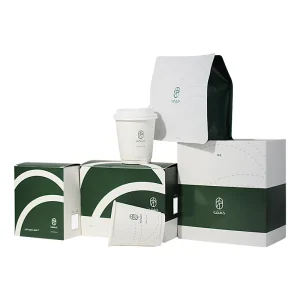
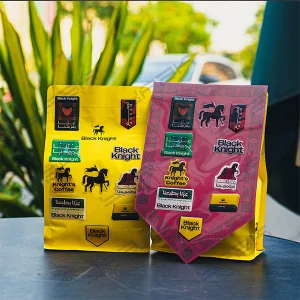
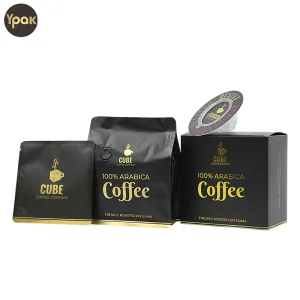
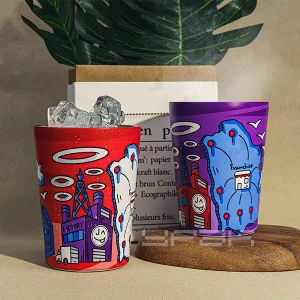
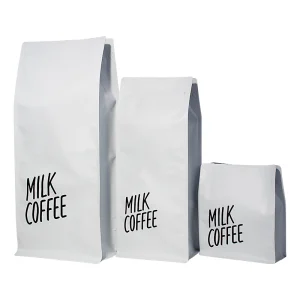
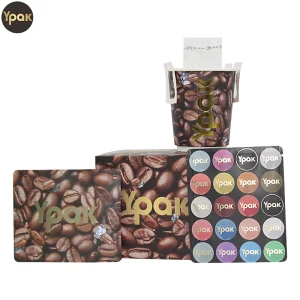
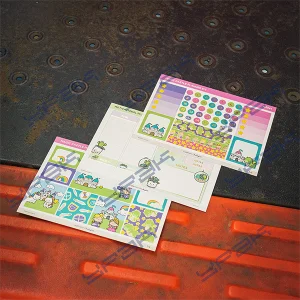
Complete your brand ecosystem with our comprehensive selection of coffee packaging kits, custom transfer stickers, boxes, and insulated cups.
 YPAK PACKAGING