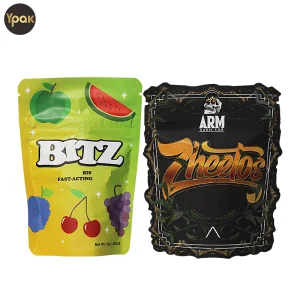
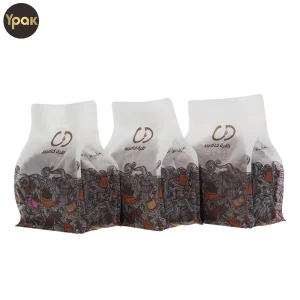
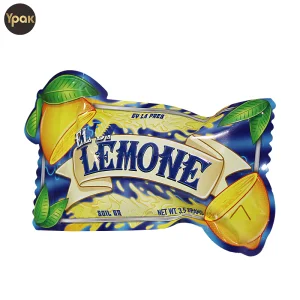
Bridging Advanced Material Science, Child-Resistant Regulatory Compliance, and High-Yield Factory Automation for Global Cannabis Brands
The global legal cannabis edibles market is undergoing a structural transition toward rigorous pharmaceutical-grade standardisation. Among edible formats, cannabis-infused gummies represent over 58% of total retail sales across North American and European legal jurisdictions. However, due to their unique moisture activity (aw), lipid composition, terpene volatility, and susceptibility to active ingredient degradation (THC/CBD oxidation), gummy packaging requires significantly higher engineering fidelity than standard food packaging.
Sourcing directly from a certified China cannabis gummy packaging factory provides multi-state operators (MSOs), licensed producers (LPs), and brand owners with a distinct structural cost advantage without compromising regulatory compliance or chemical barrier integrity. This comprehensive industrial report analyzes the complete technical roadmap, raw material selection, regulatory frameworks (such as US CPSC, ISO 8317, and EU packaging waste directives), and advanced manufacturing methodologies that govern high-performance cannabis gummy packaging production.
Unlike conventional dry food flexible pouches, cannabis gummy pouches must prevent lipid migration (oil bleed through film sealants) while maintaining a strict Water Activity ($a_w$) equilibrium between 0.55 and 0.65. Falling below 0.50 causes gummy hardening and crystallization, whereas exceeding 0.70 induces moisture sweating, active cannabinoid migration, and mold growth. Advanced multilayer co-extrusion and aluminum foil/EVOH laminate films produced in optimized Chinese manufacturing plants provide the precise water vapor transmission rate (MVTR) and oxygen transmission rate (OTR) necessary to maintain a 18-month shelf-life stability.
Engineering barrier film structures optimized for active terpene retention and active cannabinoid stabilization
The ultimate gold-standard for zero-light transmission and maximum chemical protection. Provides absolute MVTR (<0.01 g/m²/24h) and OTR (<0.01 cc/m²/24h). Ideal for organic gelatin gummies sensitive to UV photo-oxidation and flavor degradation.
Cost-optimized structure offering 98% UV blockage and exceptional mechanical puncture resistance. Perfect for high-speed automated form-fill-seal (FFS) lines and retail pouches requiring vivid metallic aesthetic effects.
Next-generation eco-friendly structure designed for the circular economy. Fully compliant with EU Class 4 and US how2recycle standards while embedding high-barrier EVOH co-extrusion to block oxygen ingress.
| Substrate Laminate Structure | MVTR (g/m²/24hrs) | OTR (cc/m²/24hrs) | Puncture Resistance (N) | Primary Regulatory Fit |
|---|---|---|---|---|
| PET / AL / LLDPE (120µm) | < 0.01 | < 0.01 | > 45 N | US CPSC 16 CFR § 1700.20 / FDA Food Grade |
| Matte PET / VMPET / PE (110µm) | 0.15 | 0.50 | > 38 N | Canada Cannabis Act / Health Canada Packaging |
| Kraft Paper / VMPET / PE (140µm) | 0.35 | 0.85 | > 30 N | US State Opacity Compliant (e.g., CA Title 16) |
| Mono-PE (MDO-PE / EVOH-PE 100µm) | 0.45 | 0.90 | > 40 N | EU Green Claims Directive / Recyclable Stream |
Navigating legal requirements across North America, Europe, and Australia with certified pouch mechanics
A primary bottleneck for cannabis brands sourcing globally is complying with localized child-resistant packaging (CRP) protocols. Operating as an advanced China cannabis gummy packaging factory, facilities must possess third-party laboratory certifications under protocol US 16 CFR § 1700.20 and ISO 8317.
Inside China's state-of-the-art flexible packaging plants: Digital Agility meets Heavy Gravure Scale
Zero cylinder/plate setup costs, variable data printing (VDP) for track-and-trace QR codes, multi-flavor SKU batching with identical unit costs, and zero minimum order quantity (MOQ) barrier for market testing.
Designed for mass production runs (>50,000 units). Delivers precision Pantone color matching (Delta E < 1.5), registered spot matte/gloss finishes, tactile UV textures, and ultra-low unit cost structures.
Zero residual solvent emissions ensuring absolute compliance with food contact migration limits. Automated optical inspection (AOI) detects micro-defects, pinholes, and print alignment errors at 400m/min.
Navigating volume break-evens, freight logistics, and factory direct customization
When sourcing cannabis packaging from overseas factories, enterprise procurement managers must look beyond unit piece price to calculate the true Total Cost of Ownership (TCO). Key economic factors in China supplier evaluation include:
Over a decade of continuous flexible packaging innovation, certified quality, and global service execution
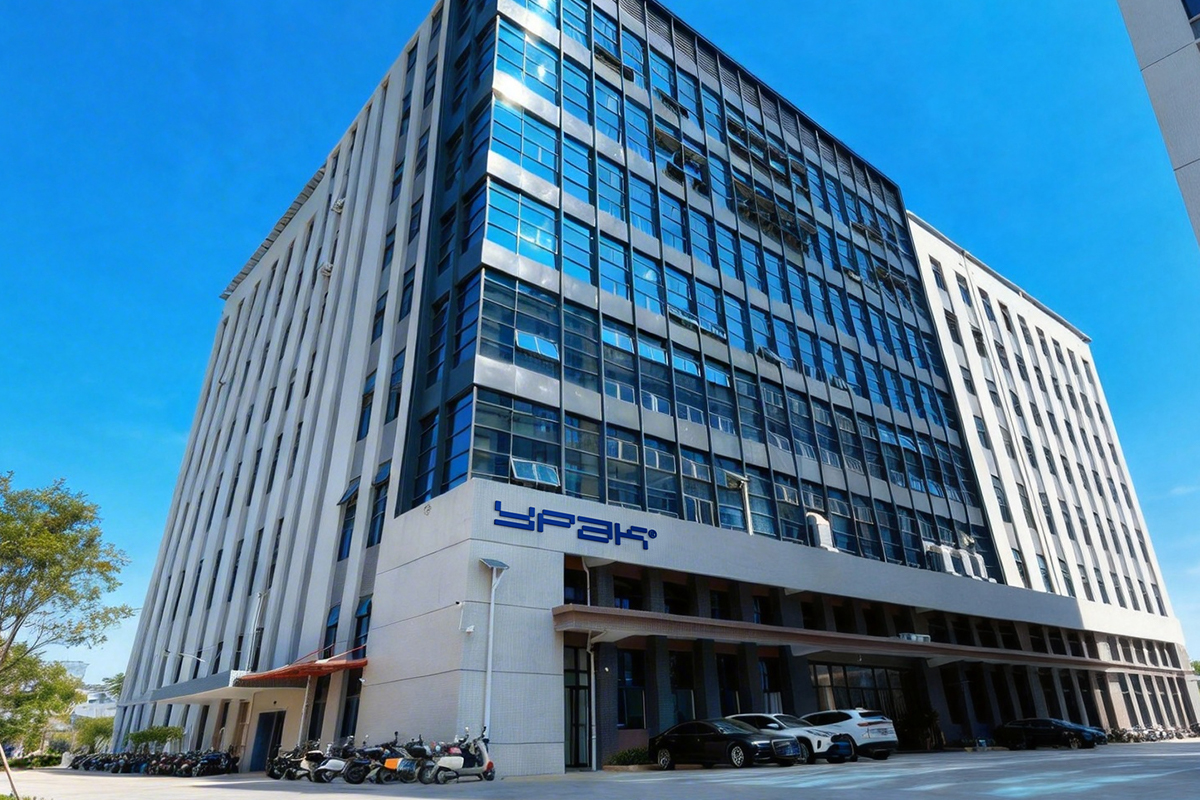
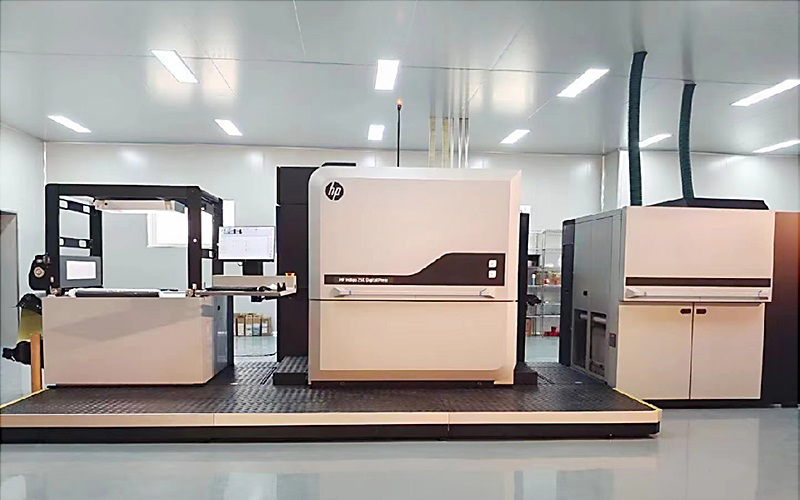
Founded in 2011, YPAK Packaging Group operates three advanced facilities across Hong Kong, Dongguan, and Foshan, emerging as one of China’s leading coffee and custom cannabis gummy bag manufacturers. Our Foshan and Dongguan plants are BRCGS Food Safety Grade A and ISO 22000:2018 certified—ensuring every pouch meets rigorous global food contact standards with full batch traceability. We fit Swiss WIPF one-way degassing valves as standard where required, delivering industry-leading freshness technology. Our HP Indigo 25K digital press enables MOQ-free, plate-free runs with photorealistic print quality—perfect for limited editions, market testing, and broad SKU expansions.
With a verified 99.5% on-time delivery rate, we keep global customer production lines moving without interruption. Our recyclable mono-material and certified compostable pouches empower brands to stay ahead of plastic regulations in the EU, UK, and North America—without compromising chemical barrier performance.
In May 2012, YPAK successfully commissioned its first complete flexible packaging production line, initiating high-barrier laminations.
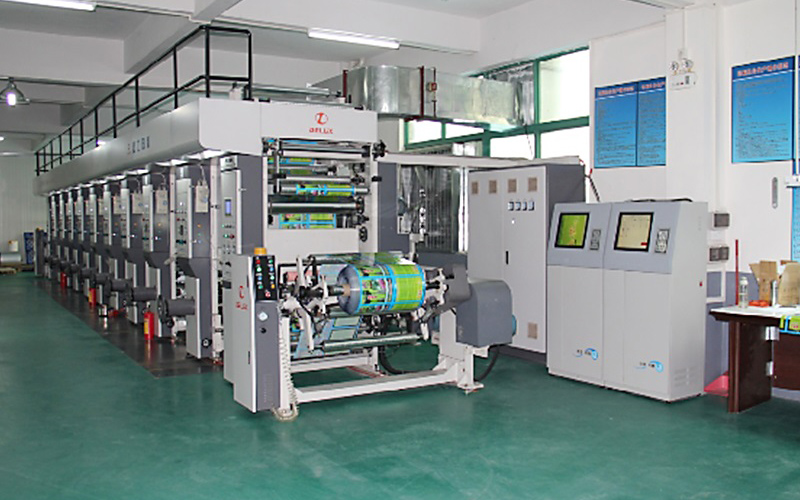
In March 2016, dedicated manufacturing lines for flat bottom box pouches were integrated, boosting shelf presence for premium goods.
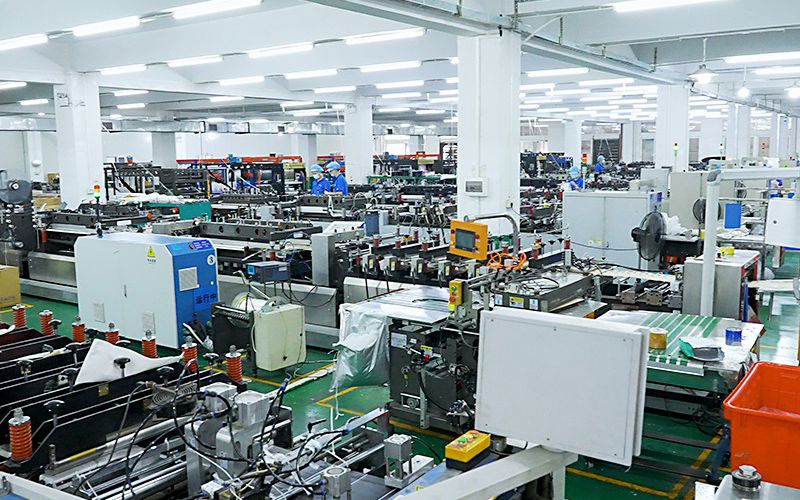
In August 2017, the second complete high-speed production line was established to meet growing international export demands.
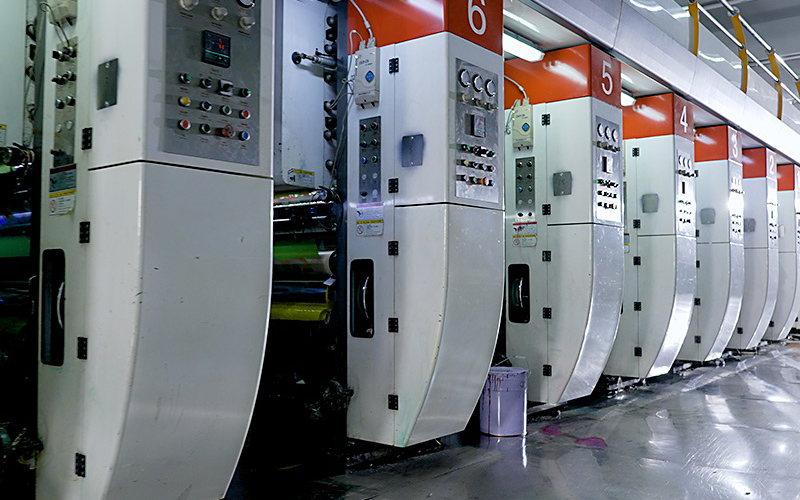
In April 2018, YPAK transitioned fully to solvent-free composite lamination technology, eliminating VOC emissions and residual odors.
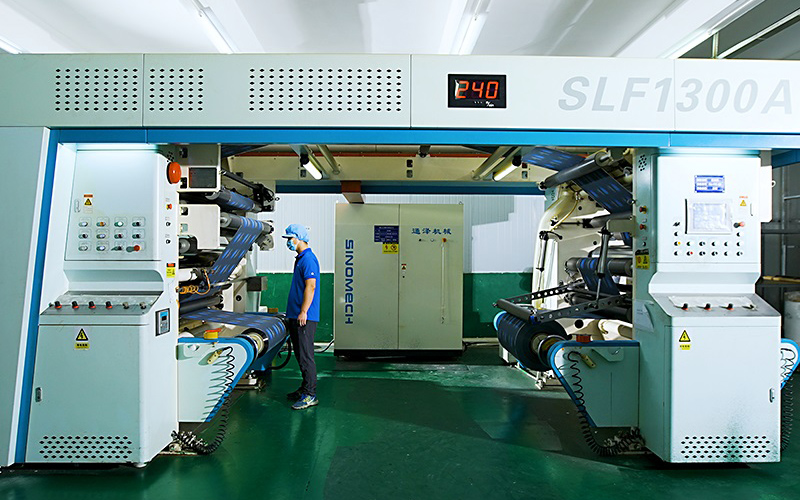
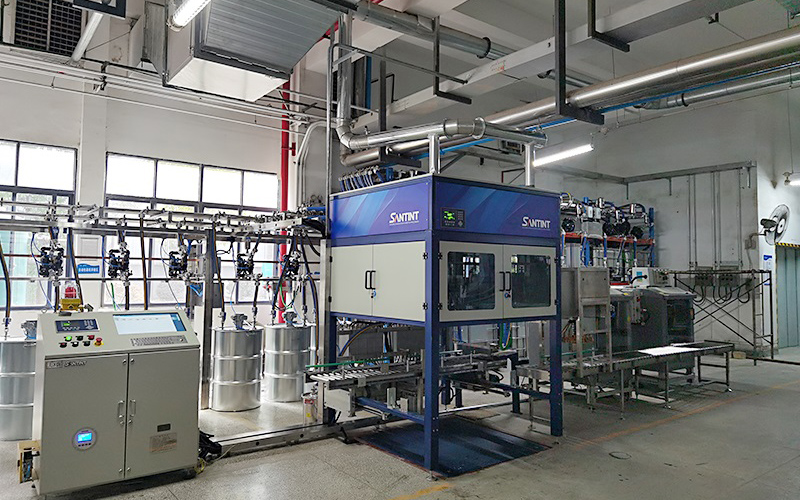
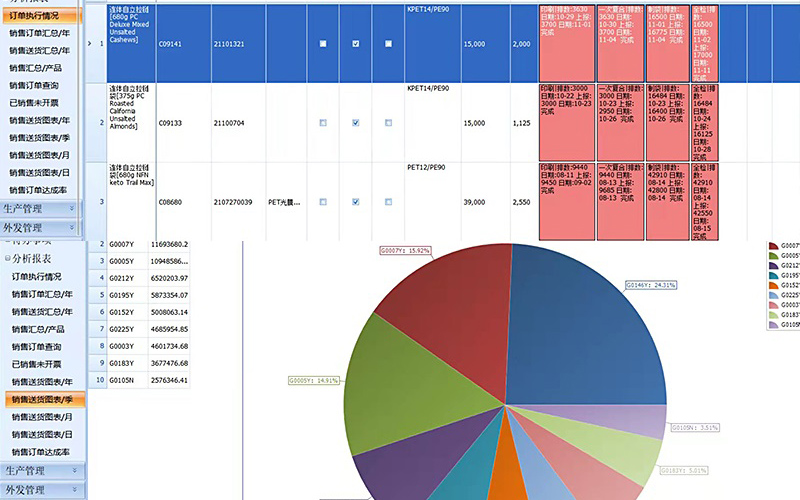
In June & July 2020, automated computer-controlled ink adjustment systems and full-scale ERP smart production management were introduced.
In October 2021, the world-class HP INDIGO 25K digital press was commissioned, opening plate-free short runs for cannabis and specialty brands.
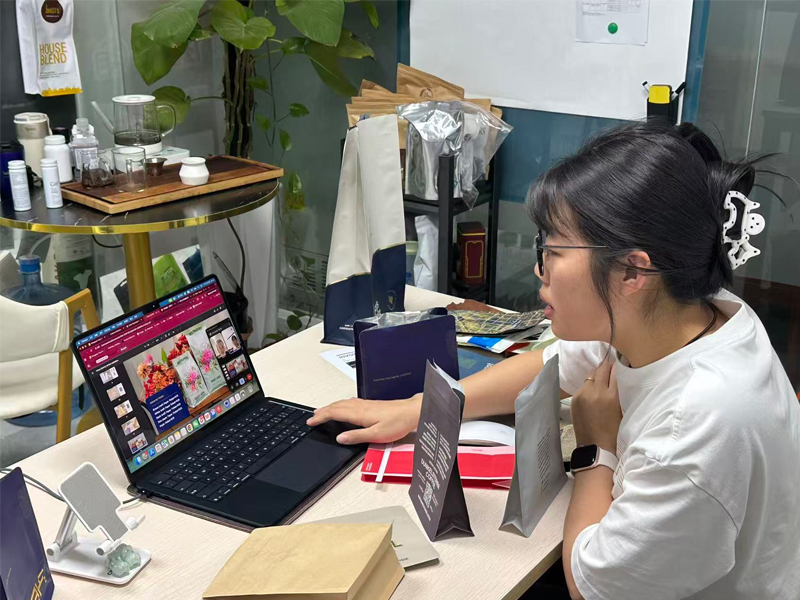
Improving customer experience through 1-on-1 online video proofing and dimension validation. Traditionally, selecting flexible pouch specifications involved back-and-forth physical sampling. With live digital confirmation, we remove guesswork, ensuring artwork alignment and structural specifications are locked in efficiently.
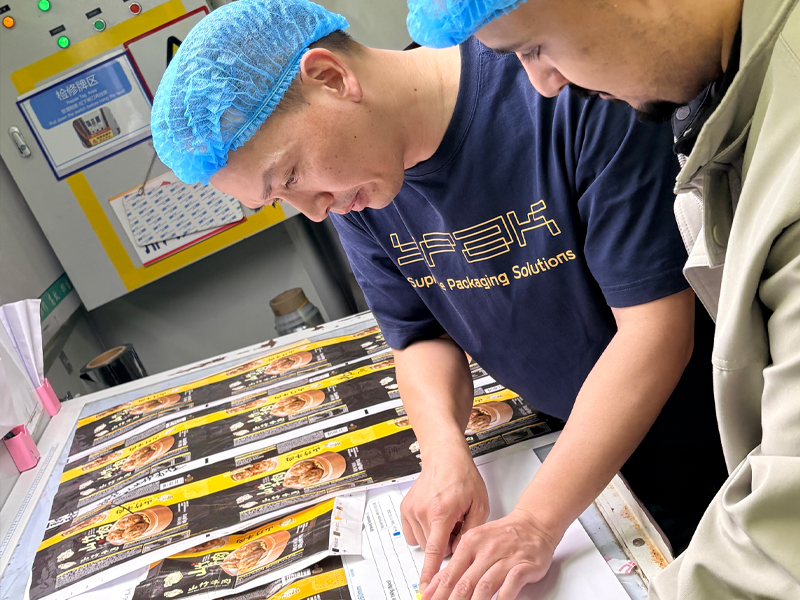
Delivering seamless execution from order placement to final dispatch. We maintain continuous operational control over printing, lamination, and pouch converting. Clients receive live video logs and high-resolution photo progress reports to visualize product quality before freight dispatch.

Our commitment extends beyond delivery. We establish rapid feedback channels and quality assurance backing to safeguard client investment. By offering complete performance guarantees, we build enduring partnerships and drive positive word-of-mouth recommendations globally.
Expert answers regarding certifications, child-resistant mechanisms, material testing, and shipping logistics
 YPAK PACKAGING