Direct Factory Manufactured High-Barrier Pouches, Sustainable Coffee Packaging, and Custom Brand Solutions
Bridging Polymer Science, Regulatory Mandates, and Scalable Manufacturing Infrastructure in China
The global food packaging sector is undergoing a paradigm shift driven by stringent legislative frameworks such as the European Union’s Packaging and Packaging Waste Regulation (PPWR), the US EPR (Extended Producer Responsibility) laws, and global plastic ban mandates. Legacy single-use flexible plastics (PET/PE, PET/AL/PE) are rapidly being phase-out due to non-recyclability and environmental persistent microplastic pollution.
As premier China biodegradable food packaging bags factories, advanced manufacturing entities are shifting from conventional petro-chemical substrates toward bio-based polymers (PLA, PBAT, PHA) and high-barrier bio-paper laminates. Modern food brands require functional packaging that guarantees extended shelf life while seamlessly fulfilling end-of-life circular economy metrics.
Global brand owners and enterprise procurement directors face dual pressure: maintaining barrier performance to protect delicate food aromas, fats, and moisture-sensitive compounds while reducing Scope 3 emissions. Sourcing directly from verified Chinese manufacturing clusters allows global buyers to harness capital-intensive R&D, automated lamination lines, and robust material stock reserves.
China's specialized flexible packaging factories have engineered solvent-free composite processing that drastically lowers volatile organic compound (VOC) emissions while maintaining bond strengths exceeding 2.5 N/15mm—essential for commercial vacuum sealing and heavy-duty gas flushing applications.
Detailed Technical Analysis of Biodegradable Substrates, Barrier Coatings, and Degradation Mechanisms
Polylactic Acid (PLA), derived from fermented plant starch (corn or sugarcane), forms the structural backbone for rigid and semi-rigid compostable structures. Modified PLA films offer crystal-clear transparency, high tensile modulus, and natural resistance to essential oils and fats.
Polybutylene Adipate Terephthalate (PBAT) is a fully biodegradable aliphatic-aromatic co-polyester. When blent with PLA, it imparts flexibility, high elongation at break, and puncture resistance, mimicking conventional Low-Density Polyethylene (LDPE).
To replace traditional aluminum foil (AL) barriers without sacrificing compostability, modern factories apply ultra-thin SiOx (Silicon Oxide) or AlOx vapor deposition, as well as specialized PVOH/EVOH biodegradable resin layers.
| Material Laminate Structure | Typical Barrier Level (OTR / WVTR) | End-of-Life Certification | Primary Food Packaging Applications | Thermal Sealing Range |
|---|---|---|---|---|
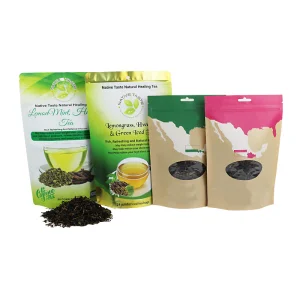
| Kraft Paper / PLA Film | Medium (OTR < 15, WVTR < 10) | Industrial Compost (EN 13432) | Organic Bakery, Dry Tea, Artisan Snacks | 110°C - 135°C |
| NK Paper / PBS / AlOx-PLA | Ultra-High (OTR < 0.5, WVTR < 0.8) | Industrial & Home Compostable | Whole Coffee Beans, Powdered Milk, Spices | 120°C - 145°C |
| Kraft Paper / VMPET / Recyclable PE | High (OTR < 2.0, WVTR < 1.5) | 100% Monomaterial Recyclable (Code 4/2) | Confectionery, Pet Food, Freeze-Dried Fruit | 130°C - 160°C |
| PBAT / Starch / Cellulose | Standard (OTR < 45, WVTR < 25) | TÜV OK Compost HOME | Fresh Produce Produce Bags, Fast Food Wrap | 95°C - 115°C |
How Advanced Automation, Solvent-Free Engineering, and Digital Printing Drive Global Competitive Advantage
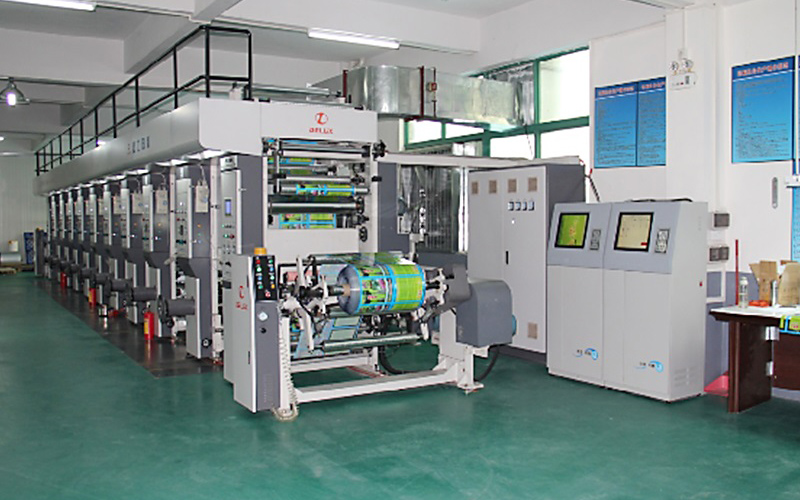
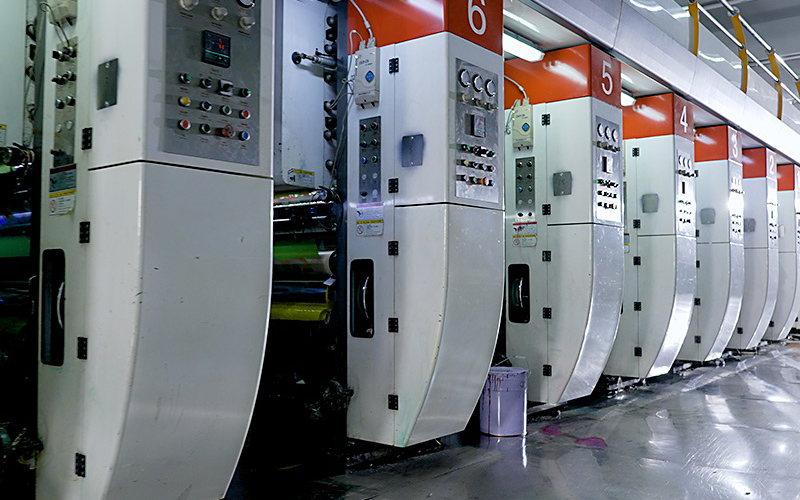
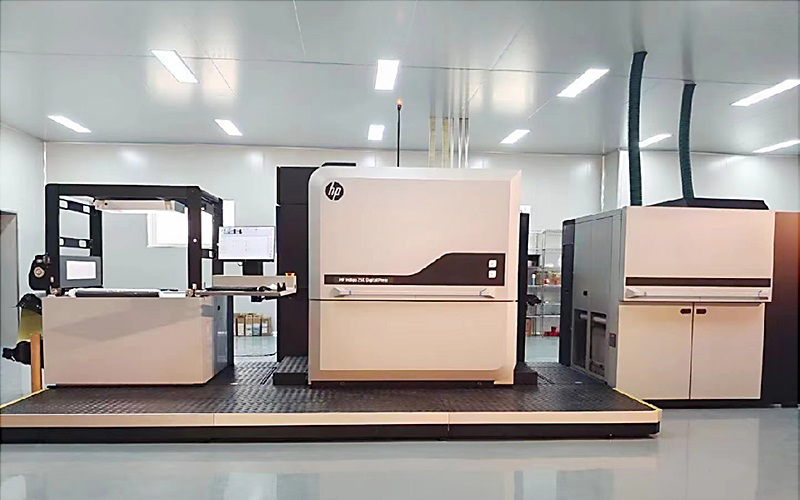
Traditional gravure printing requires massive setup costs and cylinder engraving lead times, creating high Minimum Order Quantities (MOQs). Leading Chinese factories have incorporated cutting-edge HP Indigo 25K Digital Printing Presses, allowing brands to launch multi-SKU product lines without cylinder costs.
Digital workflow automation facilitates variable data printing, batch-level QR code traceability, and dynamic seasonal package designs while guaranteeing 98% Pantone color matching precision across complex bio-substrate films.
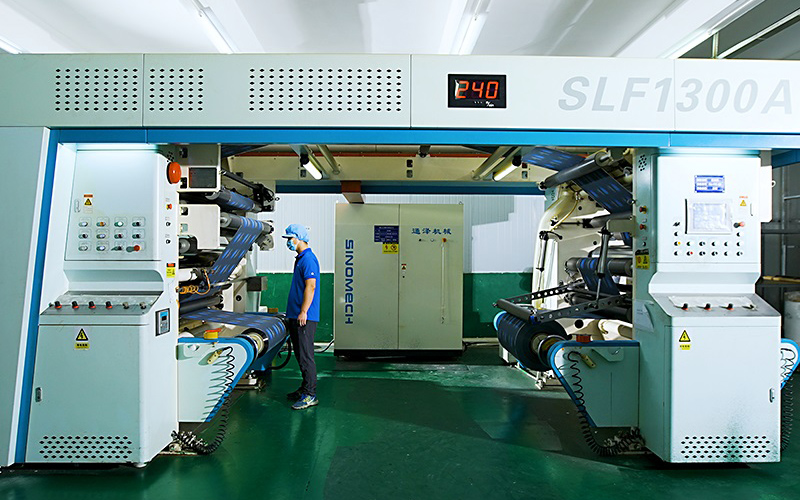
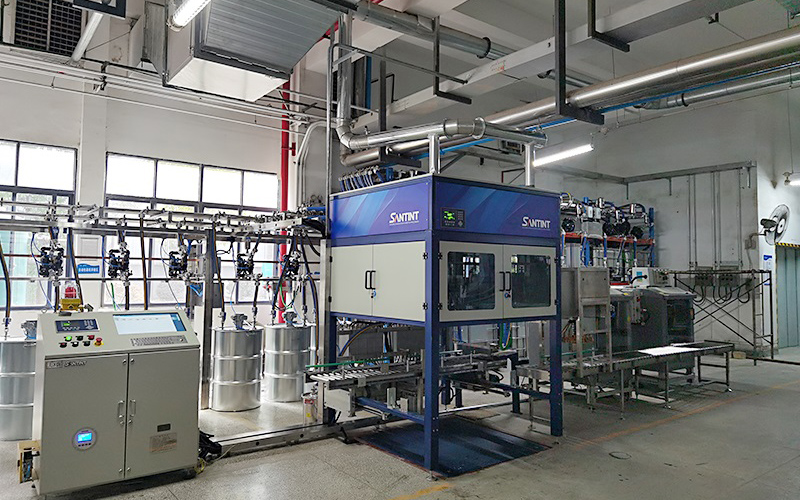
Environmental responsibility extends beyond the pouch material itself to the manufacturing process. Modern factory suites feature 100% solvent-free lamination technology. By replacing chemical solvent-based adhesives with eco-friendly polyurethanes, factories eliminate solvent retention in food-contact layers, protecting food aroma profiles and preventing chemical migration.
Over a Decade of Industry Leadership in Custom Flexible Packaging & Sustainable Innovation
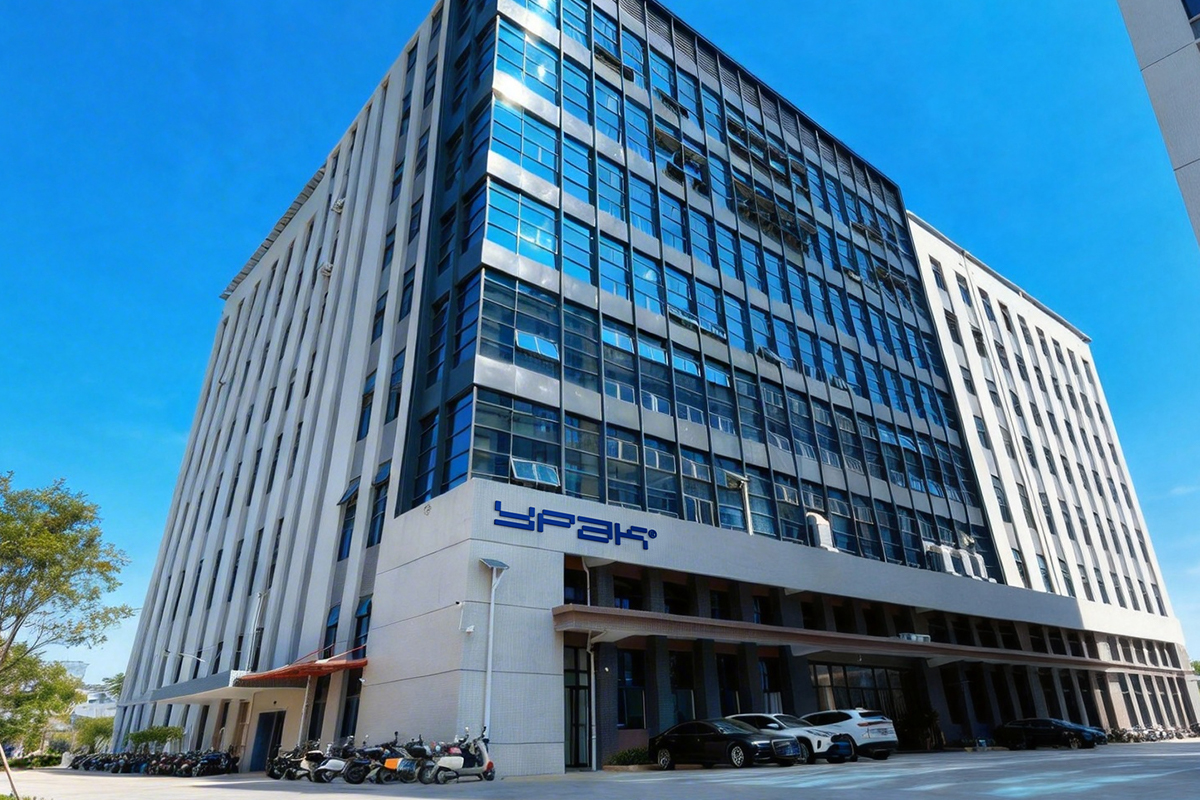
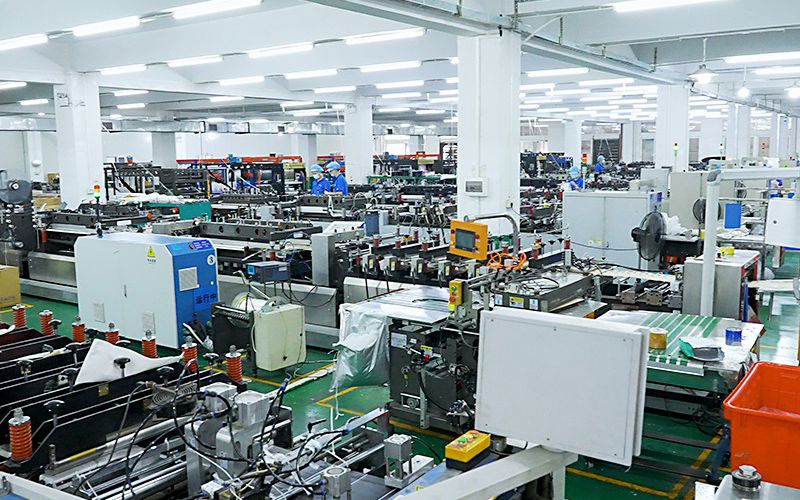
Founded in 2011, YPAK PACKAGING GROUP operates three state-of-the-art facilities across Hong Kong, Dongguan, and Foshan, emerging as one of China’s premier coffee bag and flexible packaging manufacturers. Our Foshan and Dongguan plants are BRCGS Food Safety and ISO 22000:2018 certified—ensuring every pouch meets rigorous global food contact standards with full end-to-end traceability.
We fit Swiss WIPF one-way degassing valves as standard, delivering industry-leading technology to preserve peak coffee freshness in our packaging. Our advanced HP Indigo 25K digital press enables MOQ-free, plate-free runs with photorealistic print quality—perfect for specialty limited editions and rapid market testing. With an industry-leading 99.5% on-time delivery rate, we keep your production lines moving seamlessly while helping you stay ahead of plastic regulations in the EU, UK, and North America.
Systematic Quality Assurance from Initial Design Proofing to Global Delivery Support
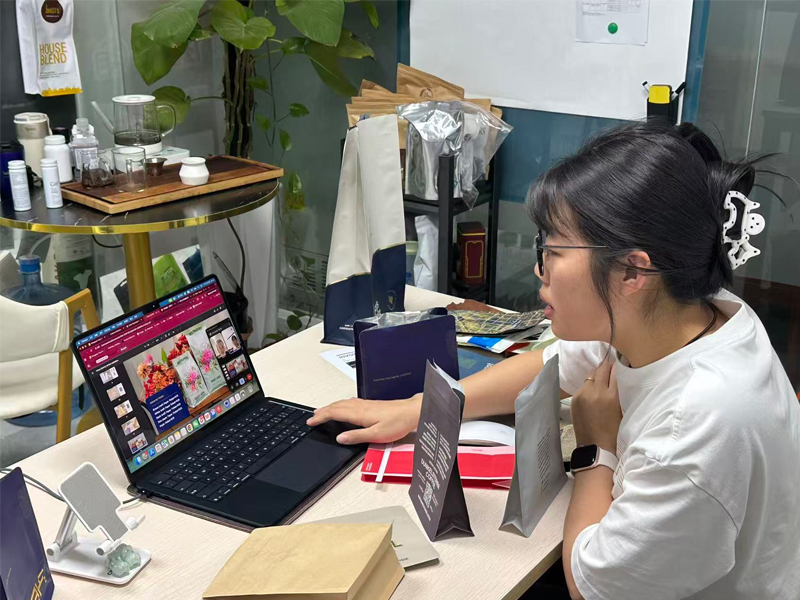
Improve customer experience through online video confirmation. One of the keys to meeting precise customer needs is providing robust pre-sales consultation. We provide 1-on-1 technical service to eliminate guesswork, verifying die-lines, barrier requirements, material compositions, and customized structural mockups prior to production.
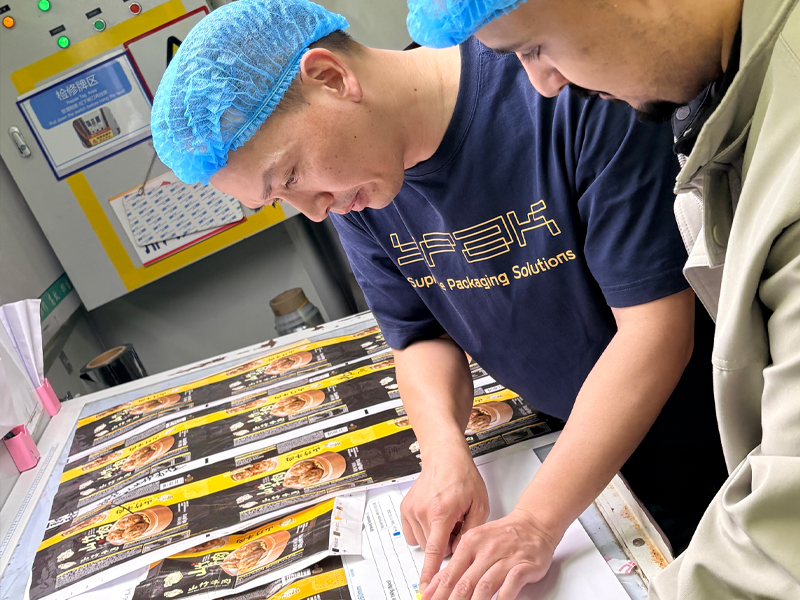
Maintaining full control over the manufacturing process ensures seamless transition from initial proofing to final delivery. We closely monitor and manage each production stage—printing, lamination, curing, bag-making, and valve fitting—sending real-time video updates and photo verification to keep clients informed.
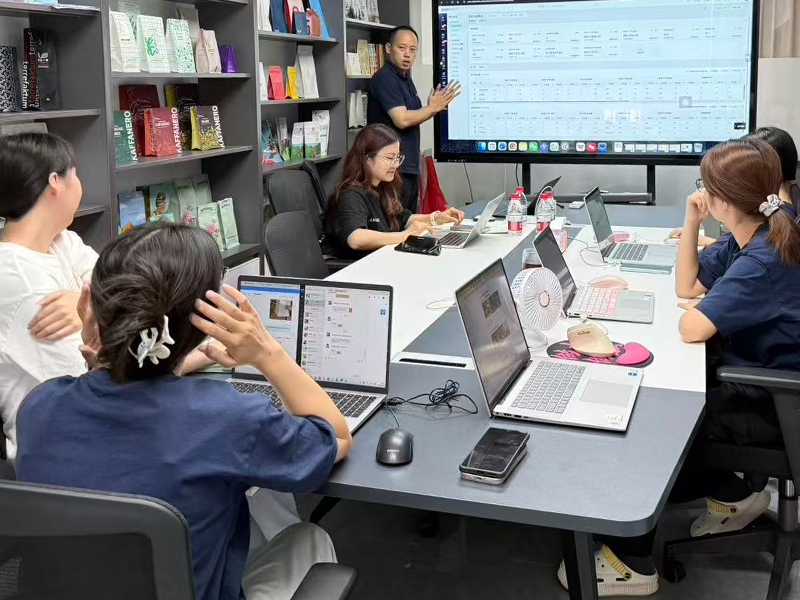
Our commitment extends well beyond order dispatch. Excellent after-sales service strengthens strategic partnerships and drives long-term customer success. By implementing systematic feedback channels, laboratory seal strength re-tests, and inventory logistics support, we ensure continuous reliability and growth.
Tailored High-Barrier Biodegradable Packaging Formats Across Specialized Sectors
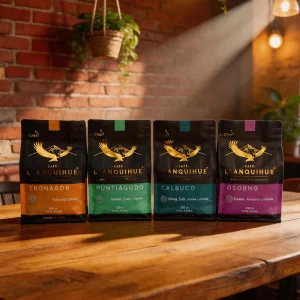
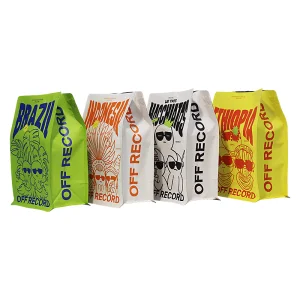
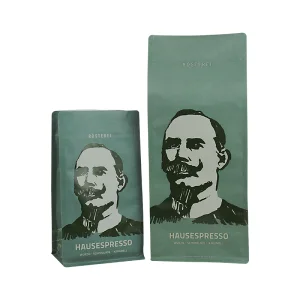
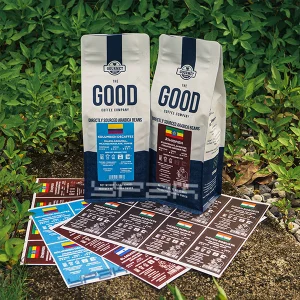
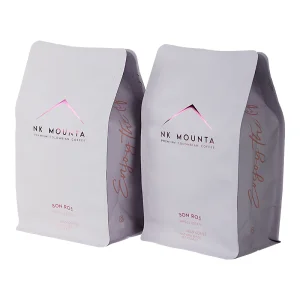
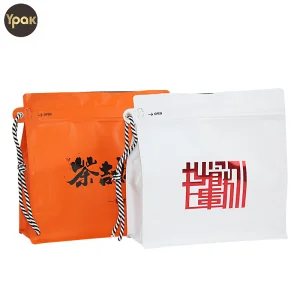
Roasted coffee beans emit CO2 while requiring protection against oxygen and humidity. Our compostable kraft paper flat-bottom and stand-up pouches feature heat-sealable bio-valves (WIPF integration) that release internal degassing pressure without admitting external oxygen. Protects volatile coffee aromatics and extends shelf stability past 12 months.
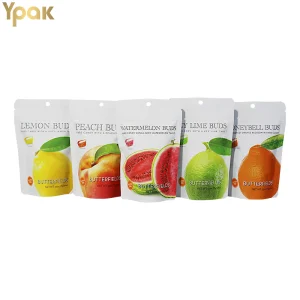
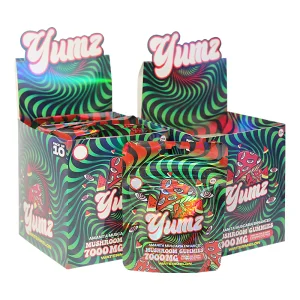
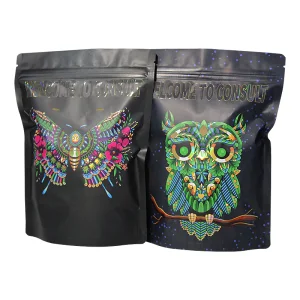
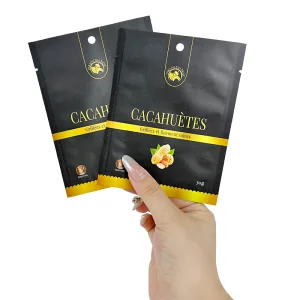
Candies, gummies, and edible botanical extracts demand resealable child-resistant mechanisms combined with fat-resistant inner linings. High-barrier bio-films prevent oil migration, maintaining pristine product aesthetics while offering matte or glossy metallic-effect finishes using eco-friendly water-based inks.
Hygroscopic dry powders require exceptional moisture vapor barriers (WVTR < 1.0 g/m²/day) to eliminate clumping and active component degradation. Our multi-layer PLA/NK Paper laminates provide structural rigidity for large-format (1kg - 5kg) commercial pouch formats with heavy-duty bio-zippers.
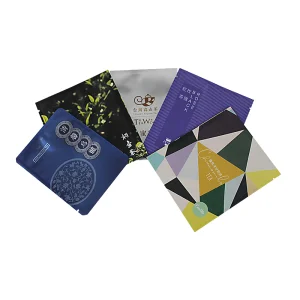
For takeaway, meal-kits, and disposable single-use filters (such as drip coffee bags), high thermal resistance and food contact compliance are paramount. Our disposable UFO drip filters and bio-wraps adhere to strict EU 10/2011 migration testing, ensuring zero chemical leaching during boiling water extraction.
In-Depth Answers on Material Compliance, Manufacturing Capabilities, and Ordering Logistics
Industrial compostable bags (certified under EN 13432 or ASTM D6400) require municipal composting facility conditions where temperatures reach 58°C+ alongside specialized humidity and microbial activity to break down within 180 days. Home compostable bags (certified under TÜV OK Compost HOME) disintegrate at ambient home garden temperatures (20°C–30°C) within 12 months, utilizing natural soil micro-flora without leaving toxic heavy metals or chemical residues.
With multi-layer bio-laminate innovations incorporating metallized bio-substrates (such as AlOx-coated PLA or cellulose films), oxygen transmission rates (OTR) can achieve levels < 0.5 cc/m²/24h and water vapor transmission rates (WVTR) < 1.0 g/m²/24h. This performance closely mimics legacy PET/AL/PE foils, providing roasted coffee and sensitive dry foods an effective shelf stability of 12 to 18 months.
YPAK manufacturing facilities in Foshan and Dongguan maintain BRCGS (Global Standard for Packaging Materials Issue 6) Grade A rating and ISO 22000:2018 certification. All food contact materials comply fully with US FDA 21 CFR 177.1520, EU Regulation No 10/2011, and Chinese National GB 4806 standards.
Yes. We integrate 100% compostable degassing valves (such as Swiss WIPF bio-valves) and heat-sealable biodegradable press-to-close zippers made from PLA/PBS compounds. This guarantees complete end-of-life compostability for the entire pouch assembly without needing component separation.
By leveraging our HP Indigo 25K Digital Printing Press, we offer plate-free digital printing runs with low MOQs starting from as low as 500 pcs per SKU—ideal for boutique brands and seasonal releases. For large-scale industrial gravure production runs, MOQs typically start at 10,000 pcs per print run.
Our facility utilizes automated computer-controlled ink adjustment systems combined with inline spectrophotometer color measuring. Digital artwork proofs undergo automated pre-flight checks, guaranteeing brand color consistency within Delta E < 2.0 across all production batches.
Custom Kraft Bags, High-Barrier Mylar Pouches, Micro-Customized Coffee Series, and Decorative Embellishments
 YPAK PACKAGING