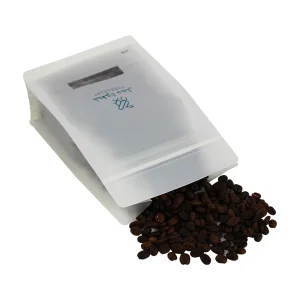
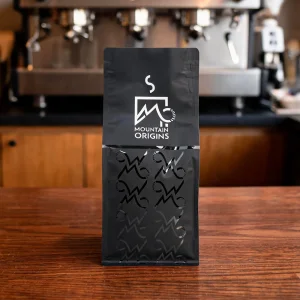
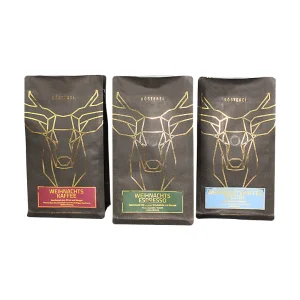
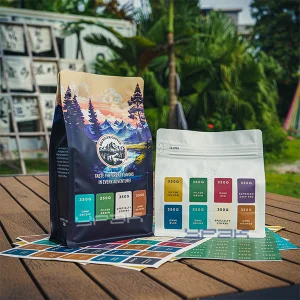
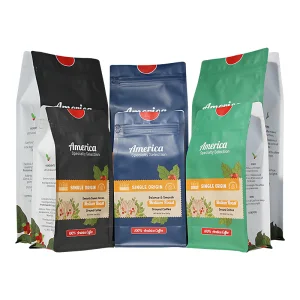
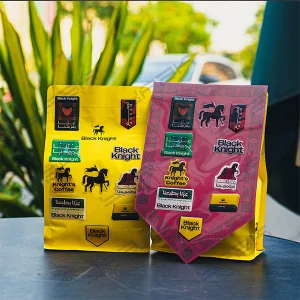
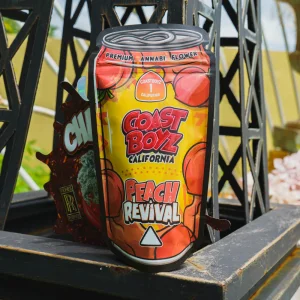
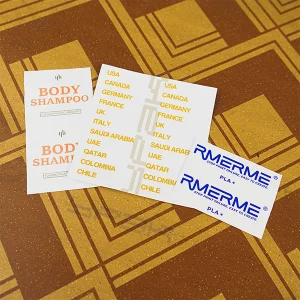
Explore our factory-direct sustainable packaging portfolio engineered for global compliance, high gas barrier performance, and tailored brand aesthetics.
The international food packaging ecosystem is currently undergoing a structural transformation driven by stringent global environmental mandates, evolving consumer preferences, and escalating regulatory standards. Single-use plastics are rapidly being phased out under policies such as the EU Single-Use Plastics Directive (Directive 2019/904), North America's state-level Extended Producer Responsibility (EPR) laws, and nationwide plastic bans across the Asia-Pacific region. As a result, fast-moving consumer goods (FMCG) brands, commercial food processors, and specialty roasters are actively migrating toward bio-based, compostable, and fully recyclable flexible packaging solutions.
Finding qualified China Biodegradable Food Bags Suppliers & Factory partners has become a critical strategic objective for global procurement teams. China's industrial packaging manufacturing sector has evolved from traditional high-volume converter operations into an R&D-driven power hub capable of complex polymer synthesis, high-barrier bio-lamination, and solvent-free flexible bag converting. Advanced bio-polymers such as Polylactic Acid (PLA), Polybutylene Adipate Terephthalate (PBAT), Polyhydroxyalkanoates (PHA), and Kraft paper laminate composites now achieve mechanical tensile strength and barrier performance comparable to conventional petroleum-based films (PE/PET/FOIL).
Engineered biodegradable food bags must meet dual technical criteria: rapid biotransformation at end-of-life and stringent oxygen/moisture isolation during shelf life. Achieving extended food shelf life requires multi-layer bio-composite lamination engineered to protect perishable goods from oxidation, moisture ingress, UV degradation, and aromatic volatile loss.
Derived from fermented plant starch (corn or sugar cane), PLA offers crystal clarity, high tensile rigidity, and excellent printability. Crystallized PLA (C-PLA) provides enhanced thermal resistance for warm-fill food applications.
A fully biodegradable aliphatic-aromatic co-polyester that imparts flexibility, puncture resistance, and elongation characteristics. Blended with PLA to eliminate film brittleness in stand-up pouches and food wraps.
Sustainably sourced natural virgin Kraft paper bonded with high-barrier bio-films (PBS/PLA or aluminum-free metallized bio-coatings) delivers organic tactile aesthetics paired with structural stability.
| Film Laminate Structure | Biodegradability Standard | OTR (cc/m²/24h) | WVTR (g/m²/24h) | Primary Industrial Applications |
|---|---|---|---|---|
| Kraft / PLA / Bio-Film | Industrial Compost (EN 13432) | < 2.0 | < 3.5 | Specialty Coffee, Dry Foods, Roasted Beans |
| NK Paper / Met-PLA / PBAT | EN 13432 & ASTM D6400 | < 0.5 | < 1.0 | High-Sensitivity Botanicals, Cannabis, Spices |
| Clear PLA / Bio-PE Sealant | Recyclable / Bio-based | < 5.0 | < 6.0 | Fresh Produce, Bakery, Transparent Snacks |
| Kraft / PBS / Barrier Coating | Home Compostable Eligible | < 1.5 | < 2.0 | Tea Bags, Powdered Ingredients, Liquids |
China's flexible packaging manufacturing matrix provides distinct structural advantages for enterprise B2B buyers looking to scale sustainable food packaging without incurring margin erosion:
China holds significant global capacity in raw monomer production for PBAT, PLA, and PBS resins. Direct raw material access reduces resin procurement volatility, maintaining cost parity against conventional fossil-fuel plastics.
Modern Chinese conversion plants utilize zero-VOC solvent-free multi-layer laminators. This eliminates volatile organic compound emissions while delivering superior inter-layer bond strength preventing delamination under hot-fill or vacuum environments.
Equipped with state-of-the-art HP Indigo digital presses alongside high-speed 10-color rotogravure systems, Chinese factories enable agile batch production—from ultra-low MOQ promotional SKUs to multi-million unit commercial runs.
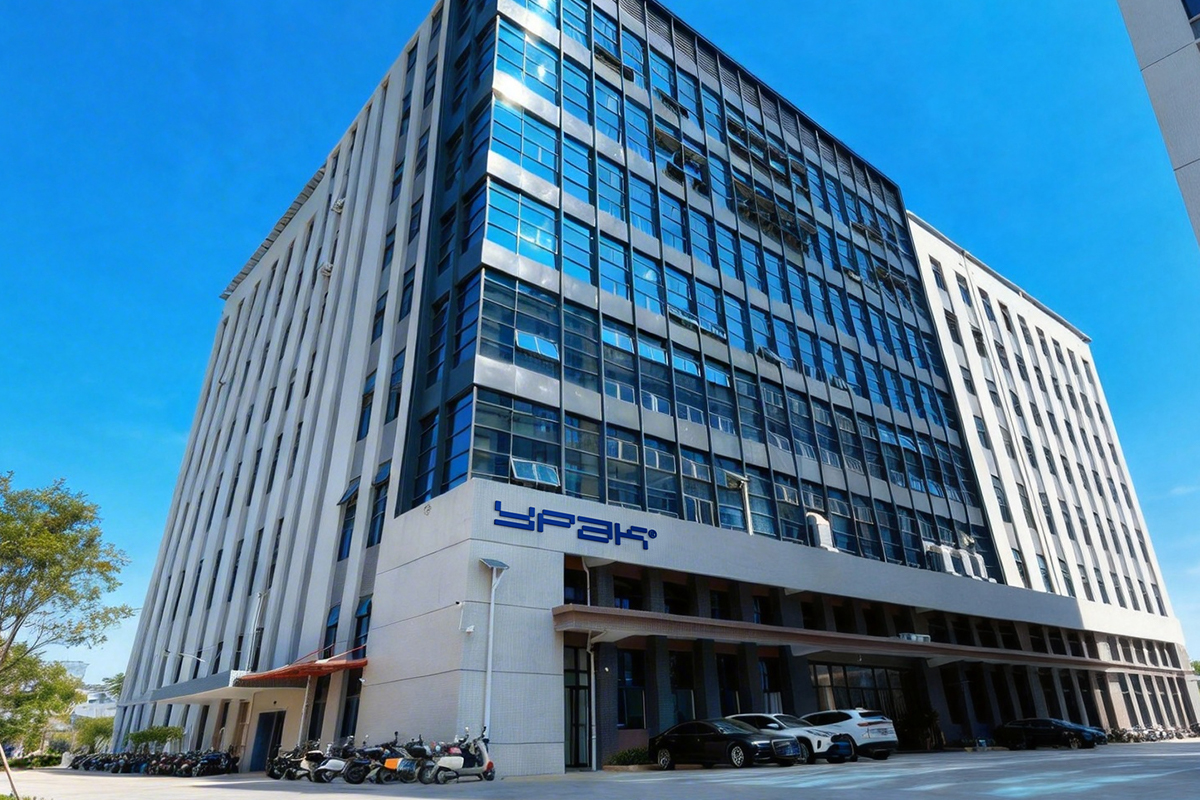
YPAK PACKAGING GROUP stands at the forefront of eco-friendly flexible packaging innovation. Founded in 2011, YPAK operates three advanced manufacturing facilities across Hong Kong, Dongguan, and Foshan, positioning itself as one of China’s premier custom coffee and food bag manufacturers.
Our Foshan and Dongguan production facilities hold prestigious BRCGS Food Safety Grade AA and ISO 22000:2018 certifications—guaranteeing that every pouch produced strictly adheres to international food contact compliance, sanitary handling, and complete batch traceability. We integrate genuine Swiss WIPF one-way degassing valves as an industry standard, offering superior pressure relief and aroma preservation for roast coffee and active food products.
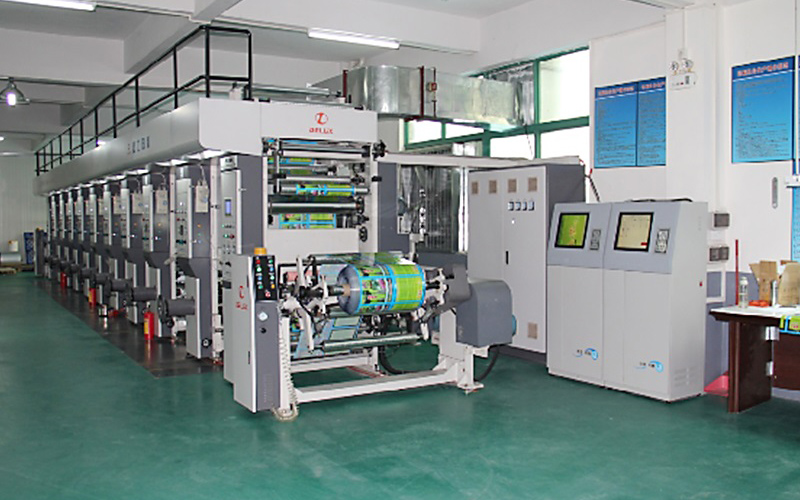 May 2012
Commissioned our first complete high-precision flexible packaging production line.
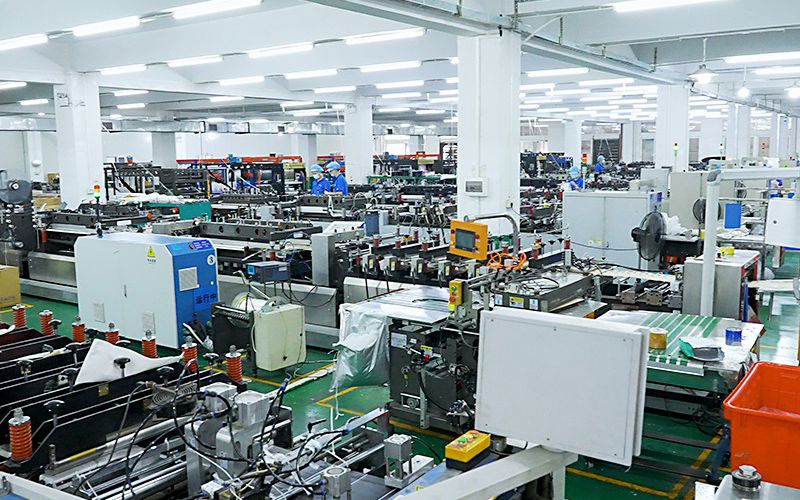 March 2016
Expanded manufacturing capabilities to produce box-shaped flat bottom coffee and food bags.
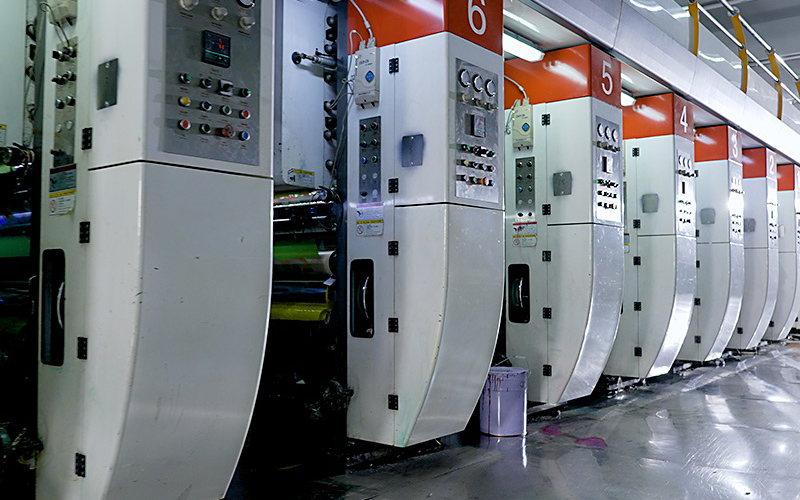 August 2017
Established our second dedicated automated converting production facility.
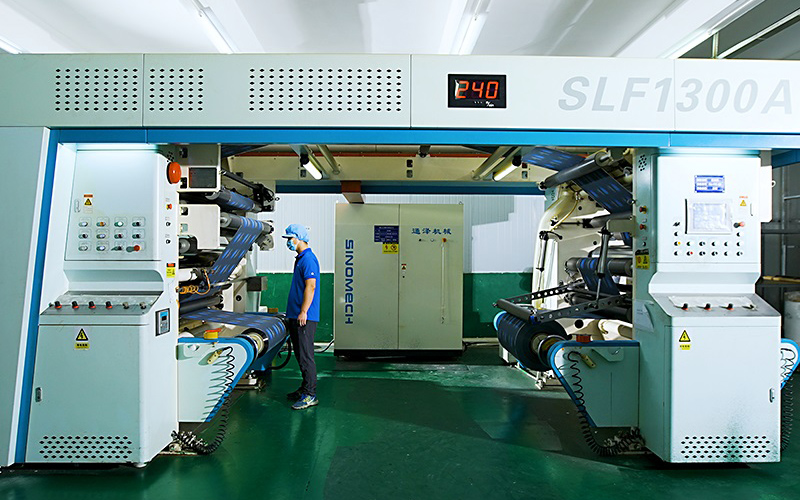 April 2018
Transitioned manufacturing operations to 100% solvent-free composite lamination technology.
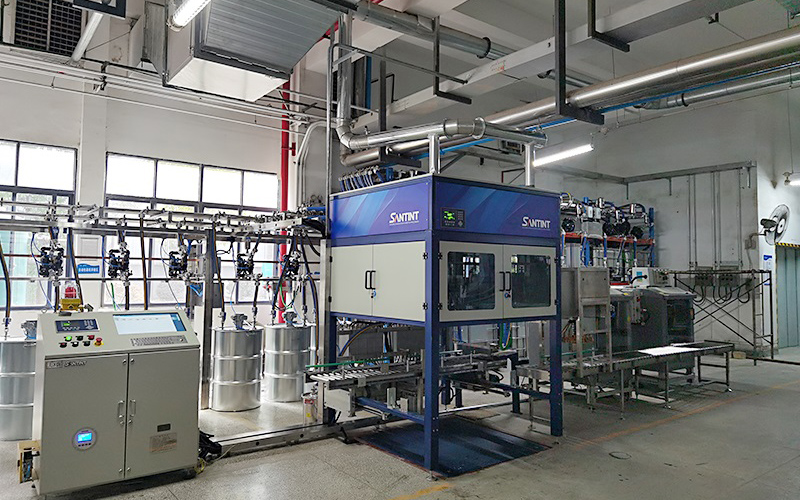 June 2020
Implemented closed-loop automatic ink spectrum adjustment systems for color accuracy.
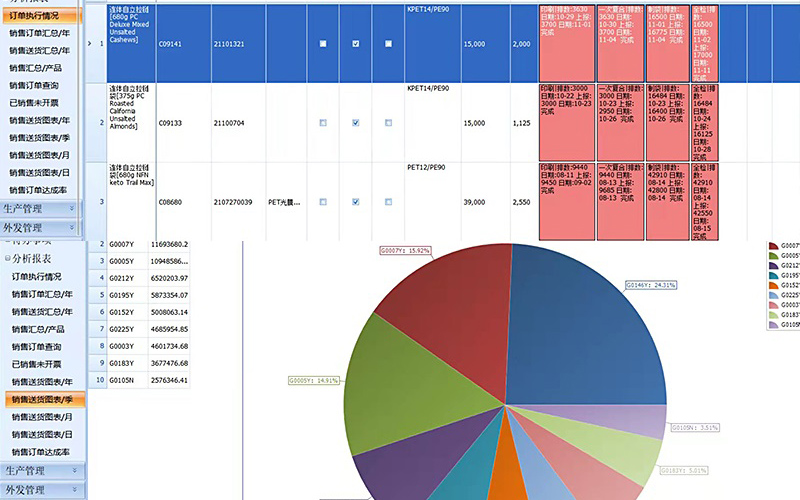 July 2020
Fully deployed enterprise ERP production management tracking systems across all sites.
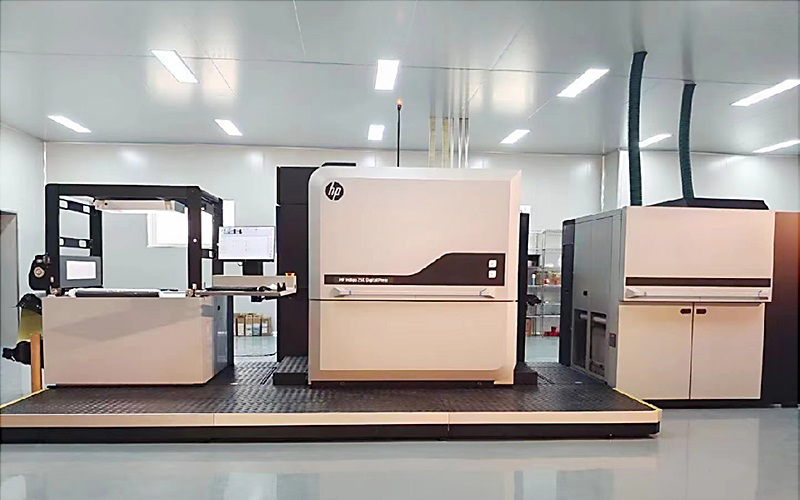 October 2021
Introduced the HP INDIGO 25K digital printing system, enabling zero-MOQ plate-free flexible packaging runs.
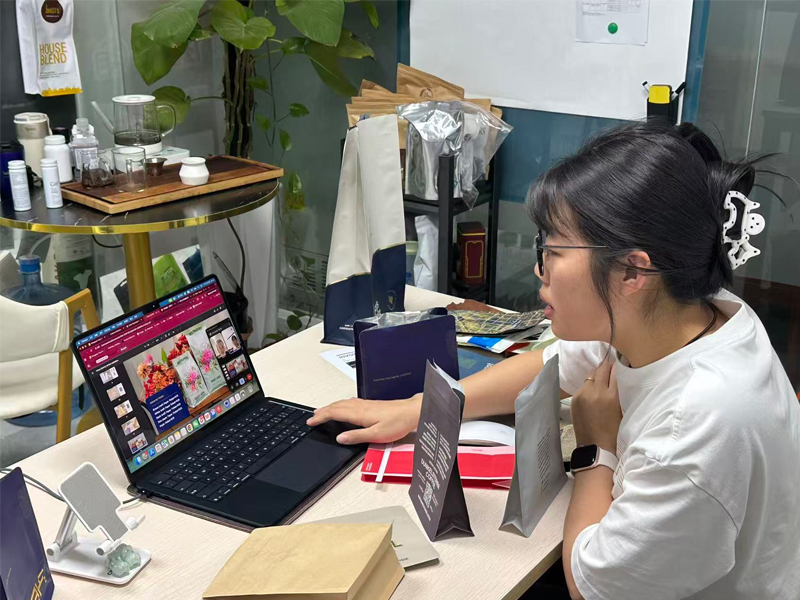
We elevate procurement clarity through direct online video design sessions and sample confirmations. Dedicated engineers provide one-on-one technical consultations, verifying film barrier specs, dimensions, zipper strength, and valve placement prior to production.
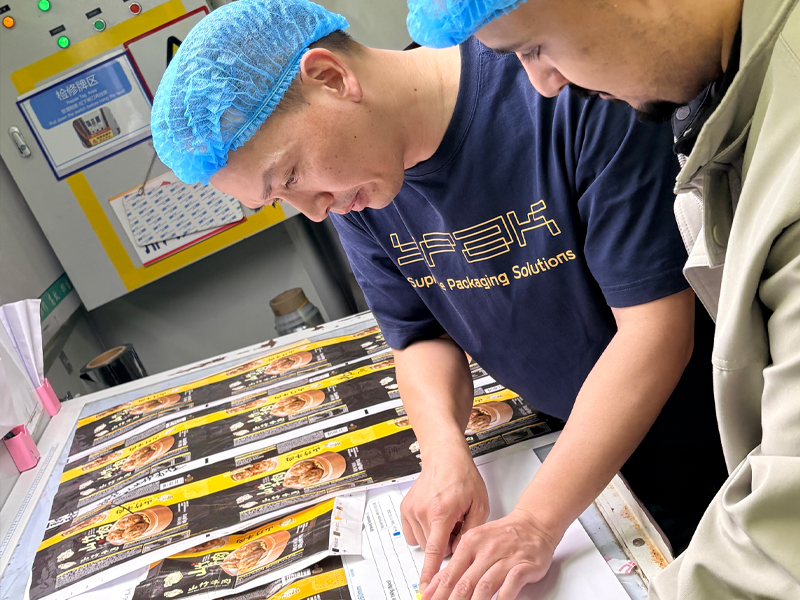
Maintaining absolute transparency over manufacturing. We monitor every conversion stage, transmitting real-time operational video feeds, color match proofs, and dimensional inspection reports directly to client procurement teams.
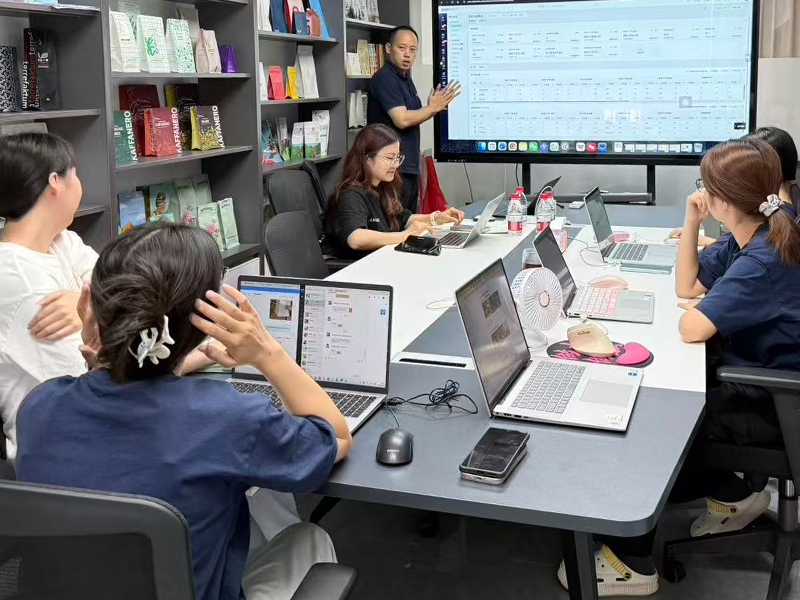
Our commitment extends long past delivery. We collect post-fulfillment feedback, conduct structural performance reviews, and guarantee batch replacement in the rare event of quality deviation, backed by a 99.5% on-time delivery record.
Different food sub-sectors demand customized material combinations and functional structural features to ensure shelf life, safety, and brand positioning.
Freshly roasted coffee continuously releases CO2 gas. Integrating Swiss WIPF one-way degassing valves with compostable Kraft/PLA barrier film structures prevents pouch expansion while blocking atmospheric oxygen ingress, maintaining volatile aromatic integrity.
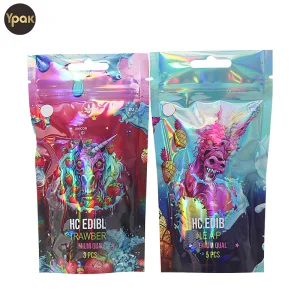
Precision-engineered high-barrier Mylar and bio-metallic laminates safeguard terpene profiles and prevent moisture degradation. Features child-resistant reclosable zippers and certified light-blocking outer surfaces.
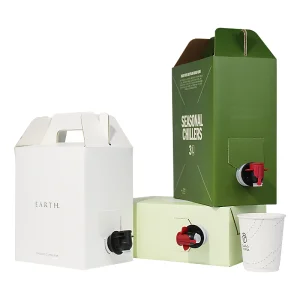
Commercial liquid food packaging solutions for wines, edible oils, and purified water. High-tensile flexible interior bladders paired with rigid recyclable outer Kraft corrugated cartons reduce plastic mass by over 75% compared to rigid bottles.
Navigating eco-label claims requires absolute technical precision. Enterprise buyers procuring from Chinese suppliers must verify that film structures are validated under recognized international laboratory testing protocols:
Requires European standard compliance where at least 90% of organic carbon disintegrates within 12 weeks into particles smaller than 2mm under industrial composting conditions (58°C ambient).
North American standard verifying complete biodegradation in municipal or industrial composting facilities without leaving toxic heavy metal residues or non-degradable microplastics.
Ensures zero harmful chemical migration into food matrices. All bio-resins, adhesives, masterbatches, and printing inks must satisfy direct food-contact safety audits.
Industrial compostable bags require elevated temperatures (50°C–60°C), controlled humidity, and specialized microbial activity in municipal facilities to break down within 180 days (per EN 13432 / ASTM D6400). Home compostable materials break down in ambient backyard compost bins (20°C–30°C) within 12 months without specialized machinery.
Yes. By engineering multi-layer bio-laminates—combining Kraft paper or PLA with metallized bio-coatings (such as Met-PLA)—we achieve Oxygen Transmission Rates (OTR) under 0.5 cc/m²/24h and Water Vapor Transmission Rates (WVTR) under 1.0 g/m²/24h, matching traditional aluminum foil structures.
Through our state-of-the-art HP Indigo 25K digital press system, we eliminate traditional printing cylinders and plate charges entirely. This allows brands to order custom-printed, high-definition pouches with zero Minimum Order Quantity (MOQ), ideal for product launches, seasonal SKUs, and rapid market testing.
Our core facilities in Foshan and Dongguan are certified under BRCGS Food Safety (Grade AA) and ISO 22000:2018. All raw bio-resins and inks carry food contact compliance documentation according to US FDA and EU 10/2011 regulations.
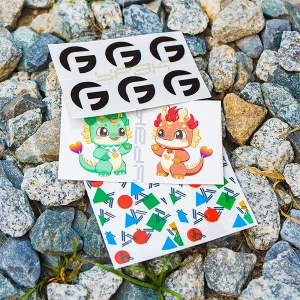
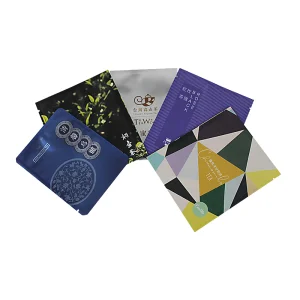
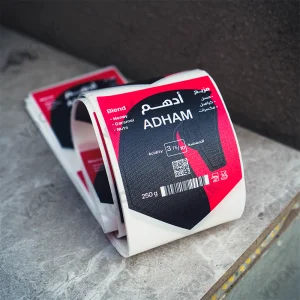
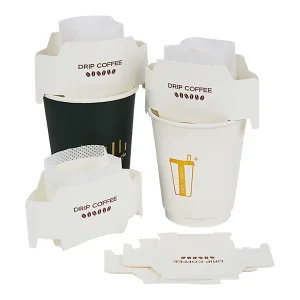
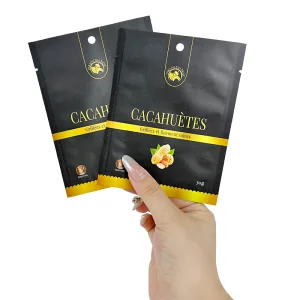
Discover specialized eco-friendly coffee filters, liquid bag-in-box dispensers, custom stickers, and high-barrier pouch designs tailored for wholesale distribution.
 YPAK PACKAGING