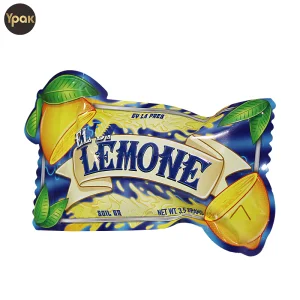
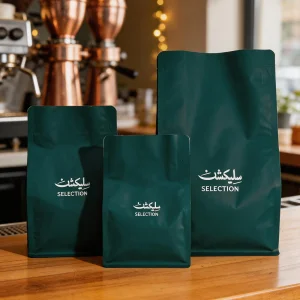
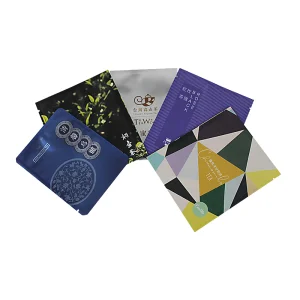
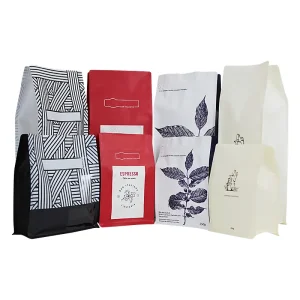
Custom flexible packaging manufactured under cleanroom conditions for ultimate shelf-life stability.
Matcha (Camellia sinensis in micro-milled stone-ground powder form) presents one of the most volatile biological profiles in the entire functional food and premium beverage industries. Unlike whole-leaf green tea, stone-ground ceremonial matcha exposes exponentially greater surface area to ambient environmental factors. When exposed to microscopic levels of ambient oxygen, UV radiation, thermal fluctuations, or relative humidity, matcha undergoes rapid chemical degradation, turning vibrant jade green powder into a dull, bitter olive-brown substance within weeks.
As a leading China Airtight Matcha Packaging Manufacturer, YPAK PACKAGING GROUP integrates advanced polymer engineering, aluminum foil substrate laminations, and precision hermetic sealing technologies to systematically prevent four primary degradation pathways:
Chlorophyll A and B provide ceremonial matcha with its signature vibrant green color. Exposure to oxygen converts chlorophyll into pheophytin, causing severe yellow-brown discoloration. Our high-barrier foil pouches maintain an Oxygen Transmission Rate (OTR) of < 0.01 cc/m²/24h to arrest oxidation completely.
L-theanine imparts the characteristic umami taste profile, while Epigallocatechin Gallate (EGCG) delivers potent antioxidant benefits. Atmospheric moisture and oxygen accelerate the polymerization of catechins into astringent tannins. Hermetic ziplock sealing preserves the umami-to-bitterness ratio.
Ultraviolet (UV-A and UV-B) rays catalyze free radical formation, destroying volatile aromatic compounds within hours of direct exposure. YPAK’s metallized and aluminum-shielded pouch structures block 100% of visible light and UV wavelengths.
To satisfy international export standards for premium tea brands across North America, Europe, Japan, and the Middle East, YPAK engineered custom multi-layer barrier laminates specifically optimized for stone-ground matcha retention. Below is an engineering breakdown of our primary film structures:
| Structure Type | Layer Composition (Outer to Inner) | Barrier Performance | Recommended Application |
|---|---|---|---|
| Ultra-Barrier Foil (ALU) | PET / AL (Pure Aluminum) / LLDPE | OTR < 0.005 | WVTR < 0.005 | Ceremonial Grade Matcha, Retail Tins, Export Bags |
| High-Barrier Eco-Recyclable | MDO-PE / High-Barrier EVOH-PE / LLDPE | OTR < 0.1 | WVTR < 0.1 | 100% Recyclable PE Loop (EU PPWR Compliant) |
| Kraft Aesthetic Foil | Natural Kraft / VMPET / LLDPE | OTR < 0.05 | WVTR < 0.02 | Artisanal Organic Matcha, Premium Superfood Line |
| Industrial Industrial Compostable | Kraft Paper / NK / PLA or PBS Matrix | OTR < 0.5 | WVTR < 0.8 | Zero-Waste Eco Brands, Single-Serve Sachets |
The global matcha packaging sector is undergoing a massive structural pivot toward sustainability without sacrificing barrier efficiency. Brand owners, private label distributors, and food service suppliers are demanding solutions that align with regulatory frameworks such as the European Union’s Packaging and Packaging Waste Regulation (PPWR) and US State-level eco-taxes while maintaining strict food contact safety.
Traditional multi-material laminates combining PET, Aluminum, and PE are difficult to recycle. YPAK’s all-PE (MDO-PE + PE EVOH) structures provide an identical barrier to aluminum while enabling straightforward recycling in existing SPI Code 4 streams.
To extend shelf life to 24+ months, modern matcha packing lines utilize Modified Atmosphere Packaging (MAP) with high-purity Nitrogen flushing. Our pouches feature high-strength seal layers designed to withstand gas flushing pressure without micro-leaks.
With market demands shifting towards limited edition seasonal harvests and specialized regional blends, YPAK utilizes state-of-the-art HP Indigo 25K presses, allowing low MOQ, zero plate costs, and fast turnaround for fast-growing tea startups.
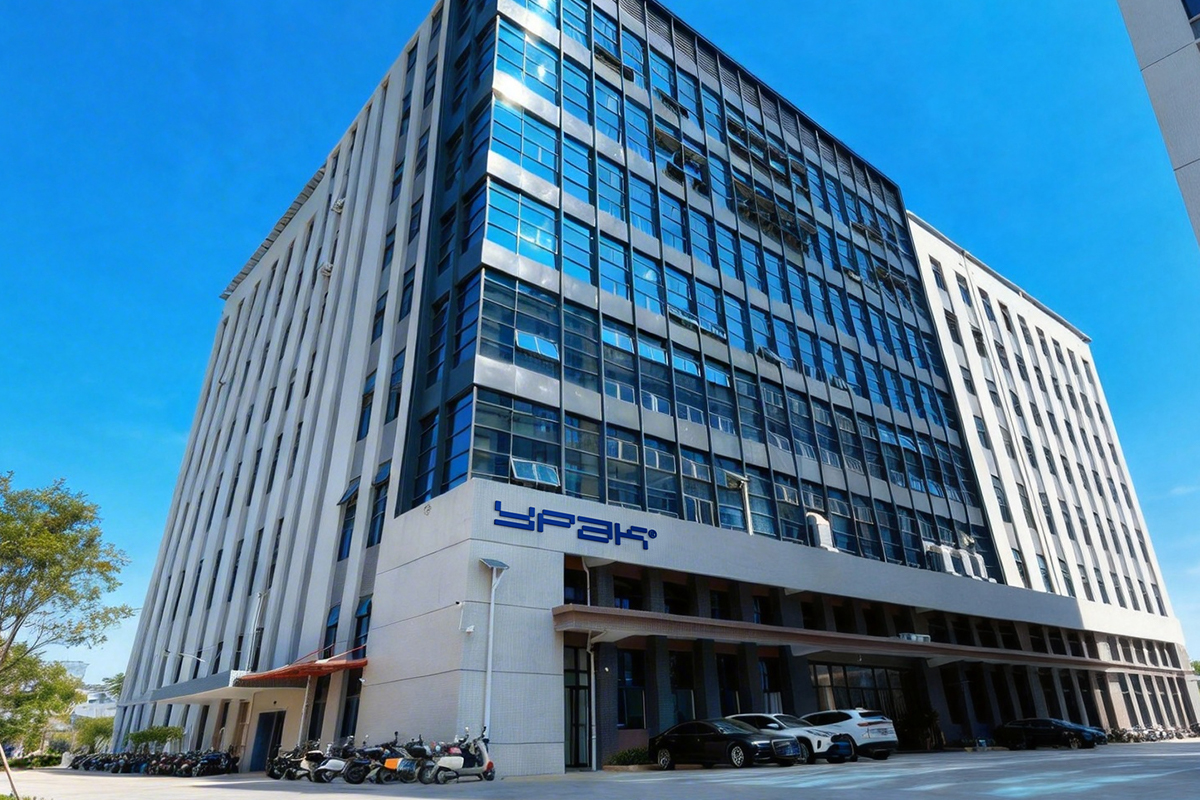
Founded in 2011, YPAK operates three facilities across Hong Kong, Dongguan, and Foshan, emerging as one of China’s leading coffee and specialty tea packaging bag manufacturers. Our Foshan and Dongguan plants are BRCGS Food Safety and ISO 22000:2018 certified—ensuring every pouch meets rigorous global food contact standards with full batch traceability.
We fit Swiss WIPF one-way degassing valves as standard where applicable, delivering industry-leading technology to maintain maximum product freshness. Our HP Indigo 25K digital press enables MOQ-free, plate-free runs with photorealistic print quality—perfect for limited editions and rapid market testing.
With a 99.5% on-time delivery rate, we keep your production lines moving seamlessly. Our recyclable and compostable pouches help you stay ahead of stringent plastic regulations in the EU, UK, and North America—without compromising barrier performance. You are always welcome to visit YPAK.
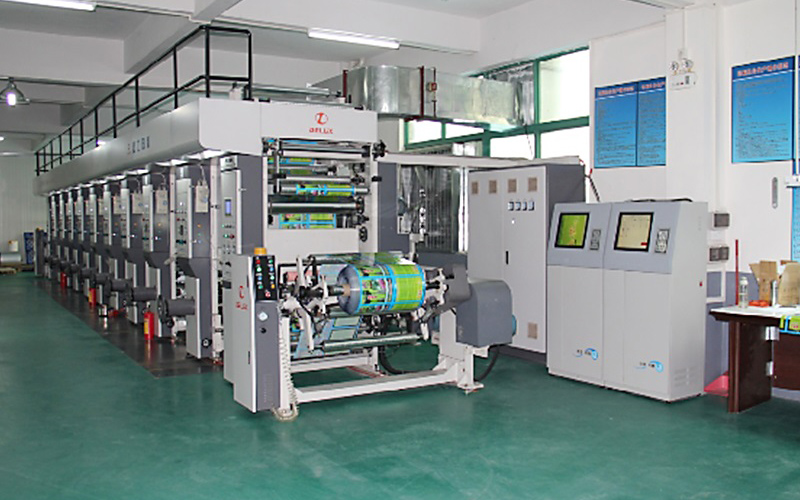
In May 2012, established the first complete flexible packaging production line, initiating high-barrier bag manufacturing.
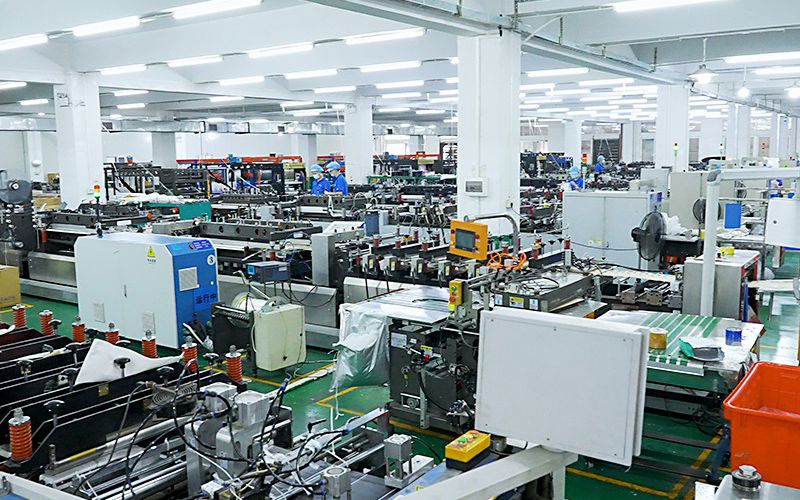
In March 2016, expanded production capacity and began manufacturing precision flat bottom box pouches for specialty beverages.
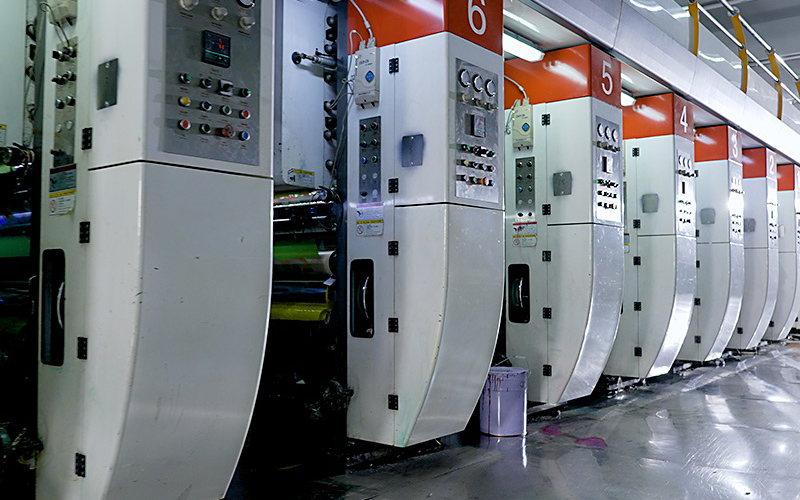
In August 2017, the second full-scale high-speed production line was established to meet surging international wholesale demand.
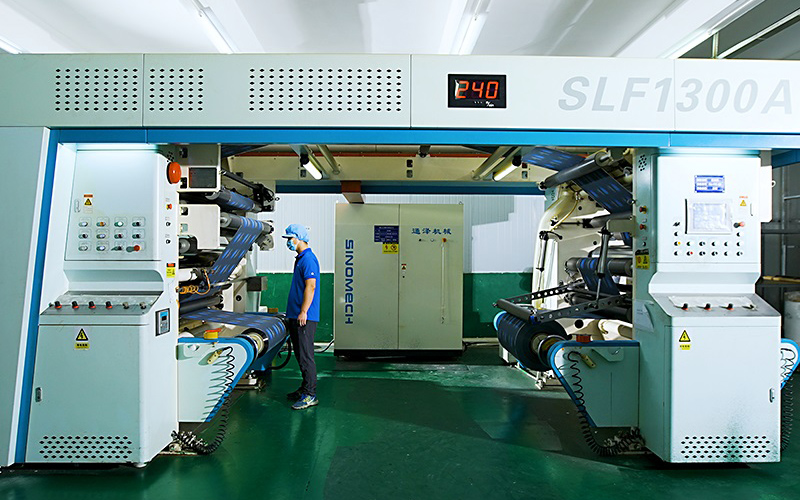
In April 2018, integrated advanced solvent-free composite technology, reducing VOC emissions and enhancing eco-safety.
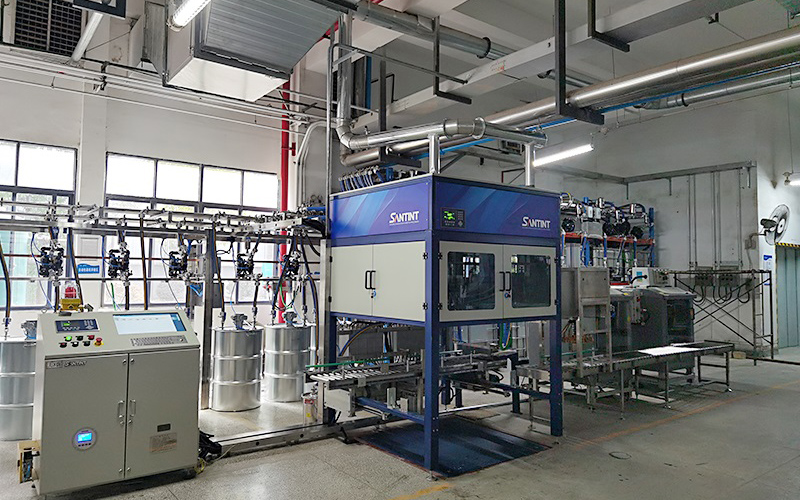
In June 2020, introduced the fully automated ink adjustment system, ensuring 99.9% color matching accuracy for custom branding.
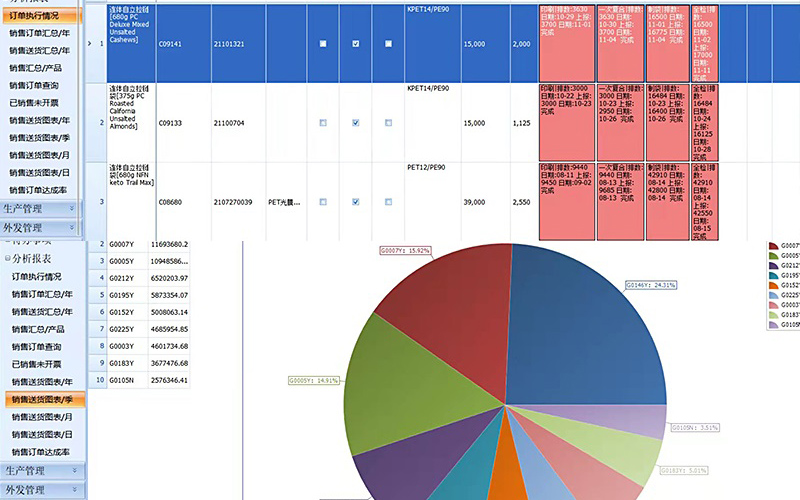
In July 2020, deployed an integrated ERP production management system for real-time tracking, quality auditing, and supply transparency.
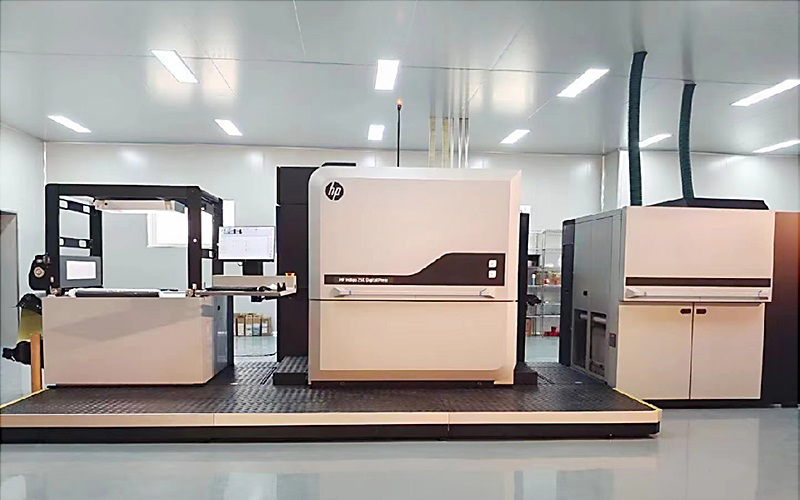
In October 2021, introduced the industry-leading HP INDIGO 25K digital printing press, revolutionizing short-run custom pouch production.
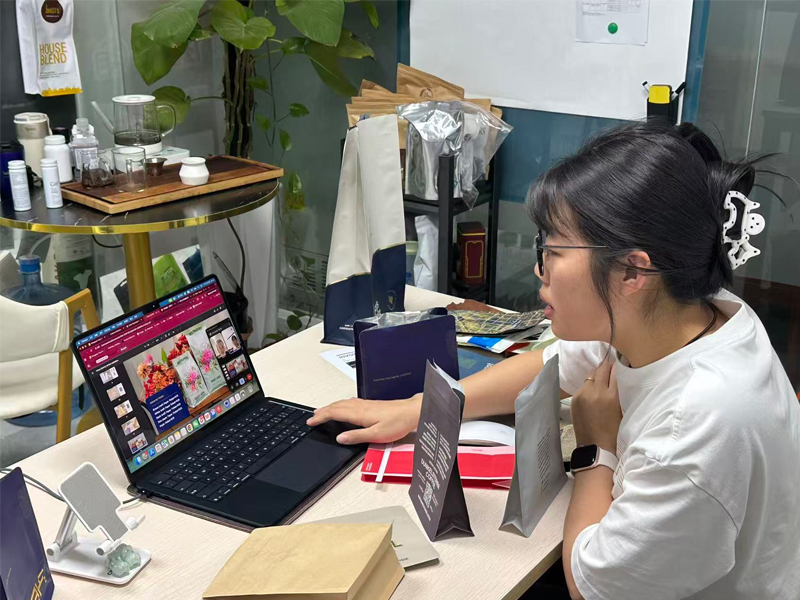
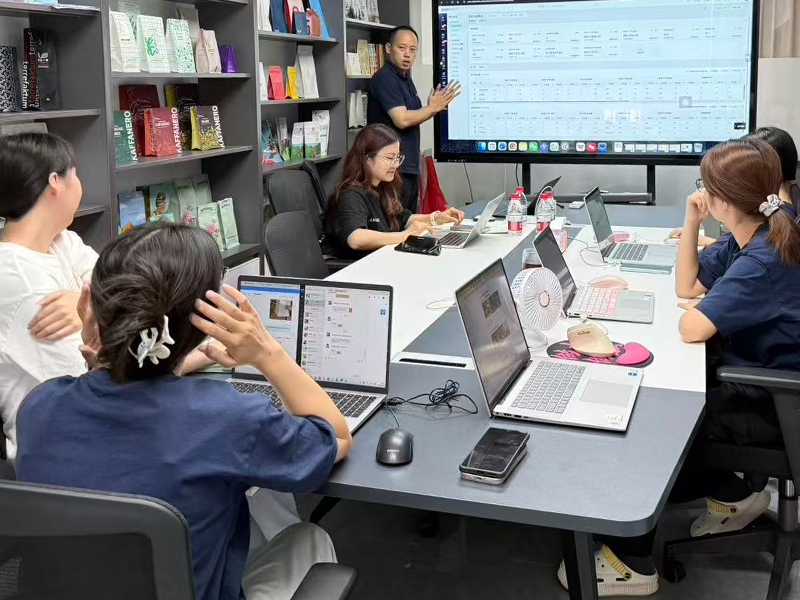
Improve customer experience through online video confirmation.
One of the keys to meeting customer needs is providing excellent pre-sales service, which builds a solid foundation for long-term strategic relationships. We offer 1-on-1 dedicated video consultations to confirm material layers, pouch dimensions, zipper configurations, and barrier tolerances before tooling begins.
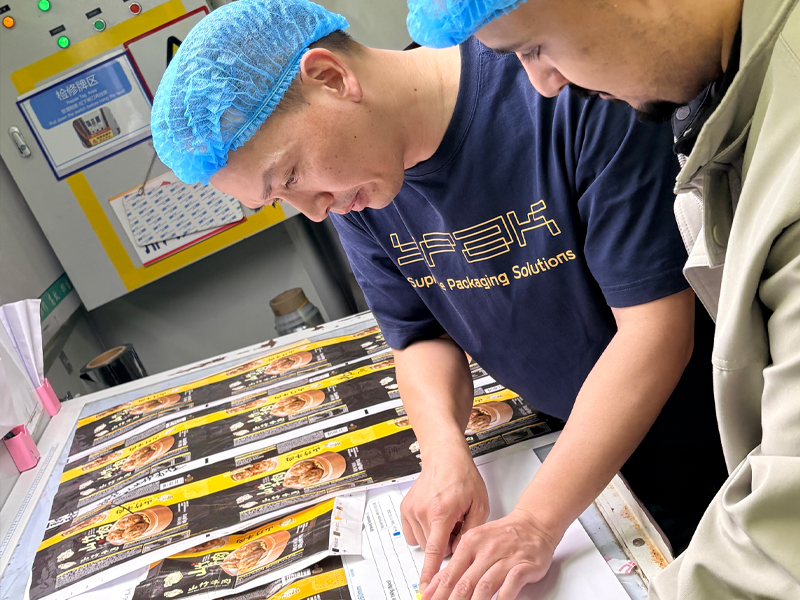
Seamless control over the live production process.
Mid-sale service involves maintaining rigid quality control over every stage of manufacturing. We monitor extrusion, printing, lamination, and bag-making continuously. Real-time video updates and high-resolution quality control photographs are shared directly with clients to visualize their batch progress.
Enhancing partnerships and continuous supply stability.
Our commitment extends beyond delivery. We establish long-term feedback loops, assist with automated filling machine integration, provide storage performance benchmarks, and offer rapid re-order turnarounds to ensure uninterrupted retail distribution for global tea brands.
As micro-milled green tea powder consumption grows exponentially in wellness, functional beverage, and culinary sectors globally, YPAK PACKAGING GROUP continues to research next-generation packaging innovations:
Developing film inner layers embedded with bio-safe active oxygen scavengers capable of absorbing residual headspace O₂ down to 0.00% without chemical migration into delicate matcha powder.
Transitioning from petroleum-derived polymers to sugarcane-derived Bio-PE and PHA films that provide identical moisture and oxygen shielding while offering carbon-negative footprint profiles.
Integrating unique serialized 3D UV QR codes and micro-NFC tags directly into pouch structures to prevent luxury grade ceremonial matcha counterfeiting in international markets.
Direct technical insights regarding high-barrier matcha packaging procurement, custom printing options, and global food contact compliance.
Explore our full range of specialty flexible pouches, eco-bags, and custom identity components.
 YPAK PACKAGING