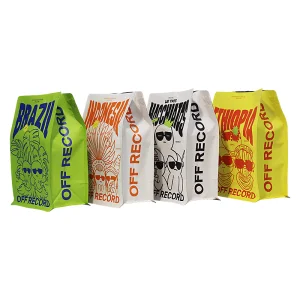
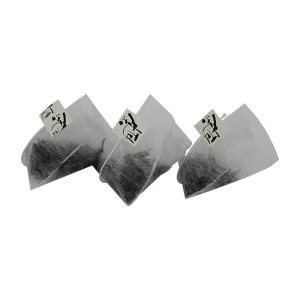
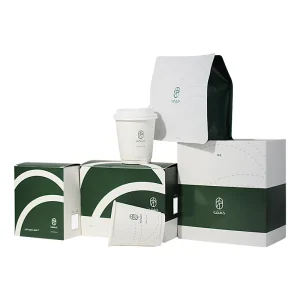
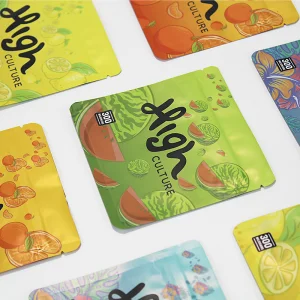
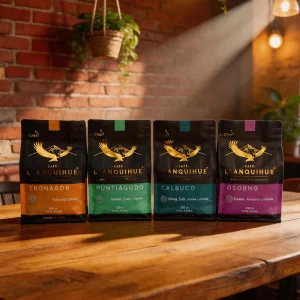
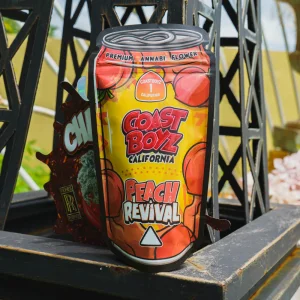
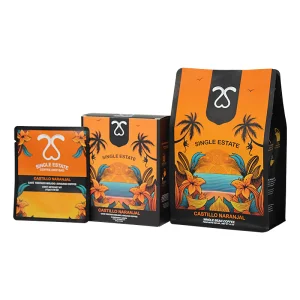
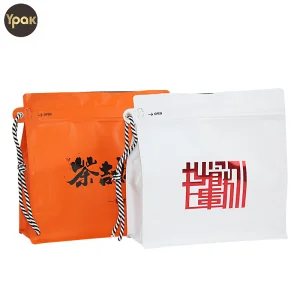
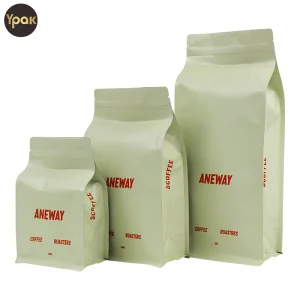
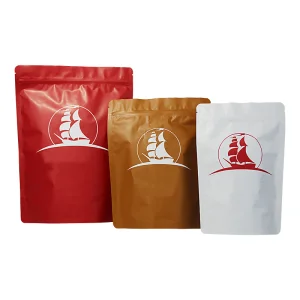
Discover our high-performance line of flexible pouches, digital printing precision bags, and specialized tea & coffee packaging engineered for maximal shelf life.
Matcha (Camellia sinensis shade-grown powdered green tea) is chemically among the most fragile food substances in the premium beverage market. Unlike standard whole-leaf teas, matcha is ground into micro-particles ranging from 5 to 15 microns. This drastic increase in total exposed surface area accelerates degradation processes by several orders of magnitude. For global beverage brands, importers, and specialty tea houses sourcing from a China 50g Matcha Pouch Manufacturer, understanding the underlying bio-chemical degradation mechanism is paramount to protecting product integrity and brand equity.
Direct UV and ambient visible light break down chlorophyll a and b into pheophytin, causing vibrant ceremonial green powder to turn a dull brown hue. Our 50g matcha pouches integrate 100% light-blocking aluminum barrier layers that completely seal out light wavelengths between 200nm and 800nm.
Matcha powder is highly hygroscopic. At relative humidity levels above 40%, micro-fine matcha particles absorb atmospheric moisture, resulting in active enzyme reactivations, rapid caking, and rapid loss of solubility. Our pouches feature MVTR ratings below 0.05 g/m²/24h.
Oxygen contact oxidizes Epigallocatechin Gallate (EGCG) and degrades L-theanine amino acids—destroying the umami flavor profile and health benefits. By utilizing high-barrier EVOH or AL foil laminations with modified atmosphere nitrogen flushing, oxygen contact is practically eliminated.
Selecting the appropriate multi-layer barrier composite is critical to matching your brand's shelf-life goals, price positioning, and environmental mandates.
| Structure Code | Material Layer Breakdown | Key Performance Attribute | OTR / WVTR Specs | Target Market Application |
|---|---|---|---|---|
| Structure A (Ultramax Barrier) | PET / AL (Aluminum Foil 7μ) / LLDPE | Absolute Zero Permeability, Zero Light Transmission | <0.01 cc / <0.01 g | Ultra-Premium Ceremonial 50g Matcha Tins & Pouches |
| Structure B (Eco-Recyclable Mono) | MDO-PE / High-Barrier EVOH PE / LLDPE | 100% Circular Economy Recyclable (PE Stream Code 4) | <0.10 cc / <0.15 g | EU / UK Sustainable Retail Brands & Subscriptions |
| Structure C (Tactile Kraft Natural) | Natural Kraft Paper / VMPET / LLDPE | Organic Organic Aesthetic with High Metallized Shielding | <0.05 cc / <0.08 g | Boutique Organic & Artisanal Green Tea Brands |
| Structure D (Soft-Touch Luxury) | Soft-Touch Matte PET / AL / LLDPE | Velvety Haptic Touch with Premium Spot UV Accents | <0.01 cc / <0.01 g | High-End Direct-to-Consumer (DTC) Gift Sets |
Standard ziplocks fail quickly when ultra-fine 10-micron matcha dust enters the zip track, breaking the pressure seal. As an established China 50g Matcha Pouch Supplier, YPAK equips pouches with specialized micro-channel anti-powder zippers. These feature precision friction-fit grooves that expel fine powder during closure, guaranteeing a re-sealable airtight closure for over 50 opening cycles.
To achieve a 24-month shelf life without chemical preservatives, 50g matcha pouches are designed to undergo Nitrogen Flushing (N2 injection) during high-speed filling operations. Our structural pouch films tolerate negative pressure vacuum sealing and internal gas pressures without delamination or stress-cracking at the corner seals.
Strategic advantages of sourcing 50g matcha packaging directly from top-tier Chinese manufacturing clusters.
China accounts for over 60% of world flexible barrier film production. Localized access to ultra-pure aluminum foils, high-density polyethylene, and food-grade resins lowers material costs by 25–40% compared to Western converters, allowing higher barrier grades at lower unit pricing.
Equipped with state-of-the-art 10-color High-Speed Rotogravure Presses for large-volume wholesale orders, alongside HP Indigo 25K Digital Printing presses for zero-MOQ, plate-free seasonal SKU launches with photorealistic 1200 DPI resolution.
Integrated converting lines, automated slitting, and pouch-making units yield lead times as short as 7 to 10 working days for digital orders and 15 days for gravure runs, backed by global freight integration across North America, Europe, and Asia.
All materials utilized in our 50g matcha pouches strictly comply with global food safety standards:
To help international brands navigate stringent EU Packaging and Packaging Waste Directives (PPWR) and plastic taxation, we offer fully certified sustainable options:
How leading global brands tailor the 50g matcha pouch format for specific market channels and demographics.
Key Trend: Soft-touch matte finishes paired with foil stamping. Stand-up pouches (SUP) with tear notches and resealable zippers dominate monthly matcha subscription boxes due to low shipping weights and high visual appeal on Instagram/TikTok.
Key Trend: High demand for Mono-PE recyclable structures and Kraft paper composites with clear eco-labeling. Brands prioritize EU 10/2011 compliance documentation and plastic-tax-exempt material configurations.
Key Trend: Flat bottom box pouches with side gussets, holographic foil logos, and inner metallic barrier linings. Tailored for gift sets, high-end department stores, and luxury tea lounges demanding 24-month shelf stability.
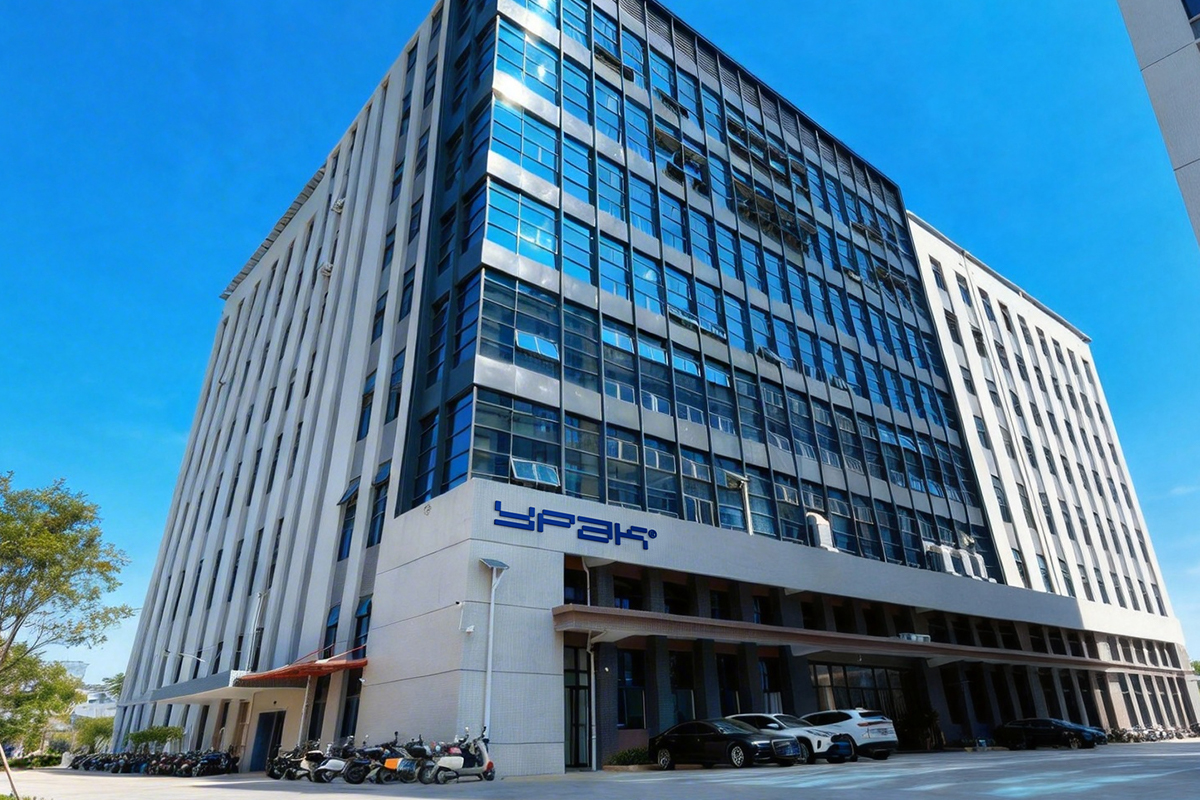
Founded in 2011, YPAK PACKAGING GROUP operates three state-of-the-art facilities across Hong Kong, Dongguan, and Foshan, emerging as one of China’s leading coffee and tea bag packaging manufacturers.
Our Foshan and Dongguan plants are BRCGS Food Safety and ISO 22000:2018 certified—ensuring every pouch meets rigorous global food contact standards with full batch traceability. We fit Swiss WIPF one-way valves as standard, delivering industry-leading technology for keeping product freshness in our packaging. Our HP Indigo 25K digital press enables MOQ-free, plate-free runs with photorealistic print quality—perfect for limited editions, seasonal matcha launches, and market testing. With a 99.5% on-time delivery rate, we keep your production lines moving seamlessly. Our recyclable and compostable pouches help you stay ahead of plastic regulations in the EU, UK, and North America—without compromising barrier performance. You are always welcome to visit YPAK.
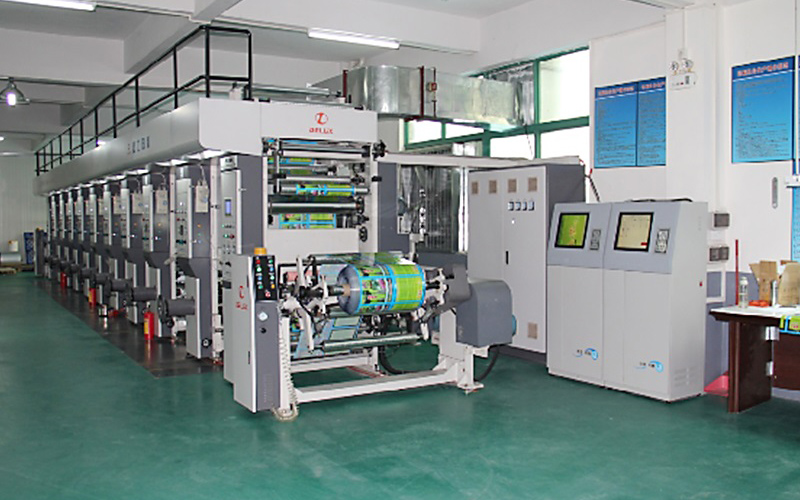
In May 2012, established the first complete flexible packaging production line.
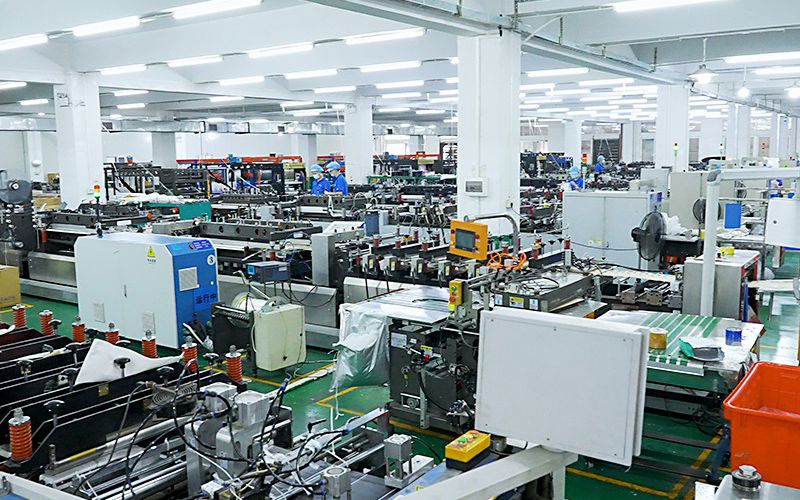
In March 2016, began manufacturing advanced flat bottom pouches.
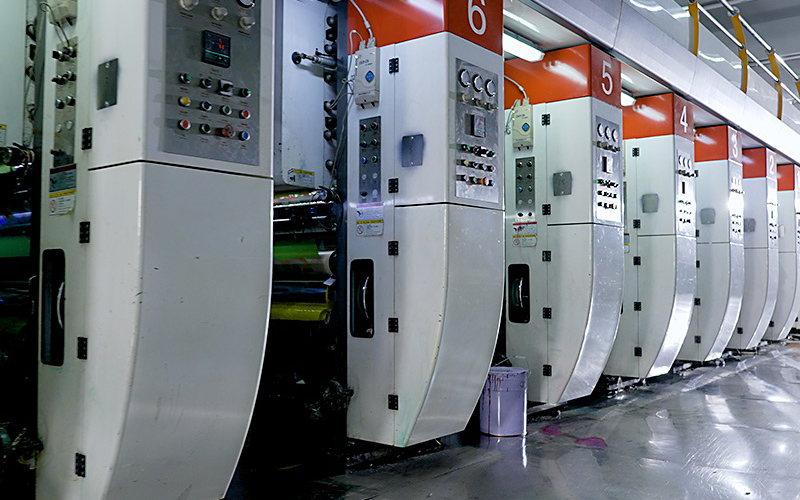
In August 2017, the second specialized high-speed production line was established.
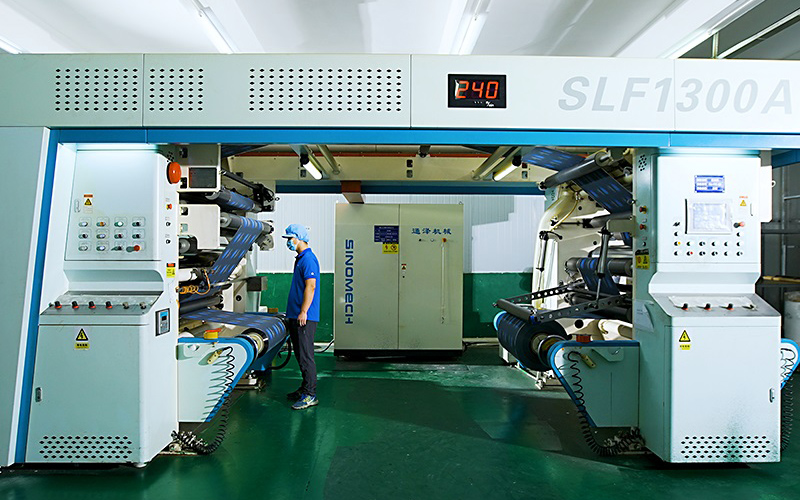
April 2018, transitioned fully to eco-friendly solvent-free composite lamination technology.
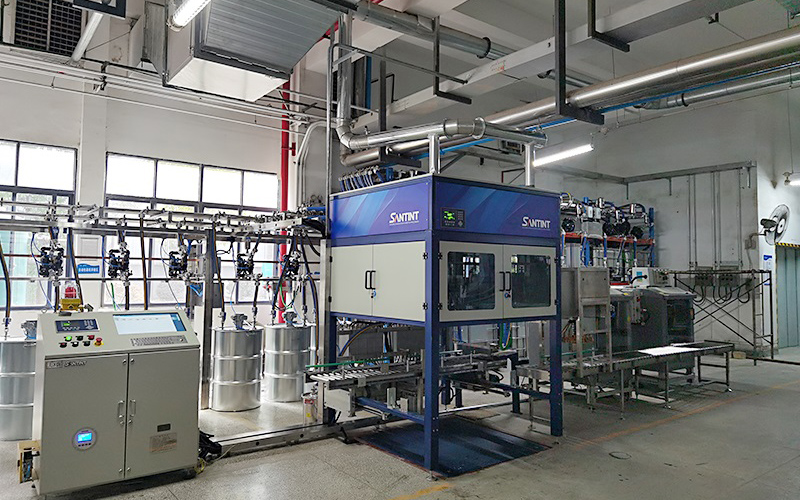
In June 2020, introduced the fully automated digital ink adjustment and color matching system.
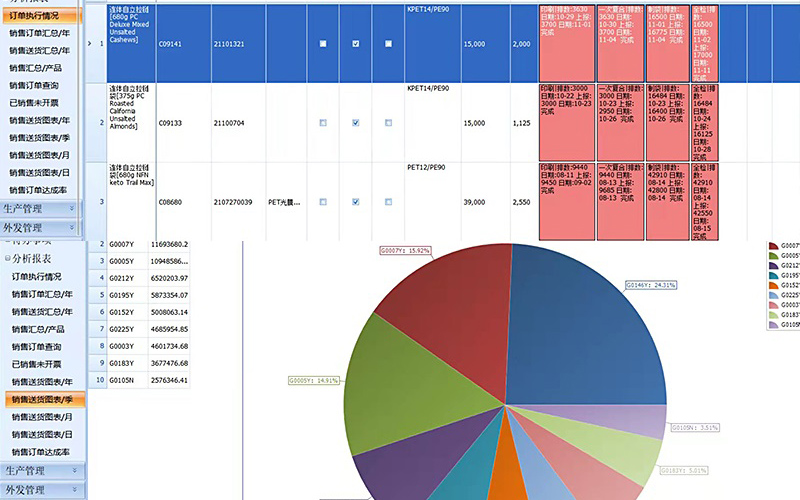
In July 2020, implemented integrated ERP production monitoring across all manufacturing facilities.
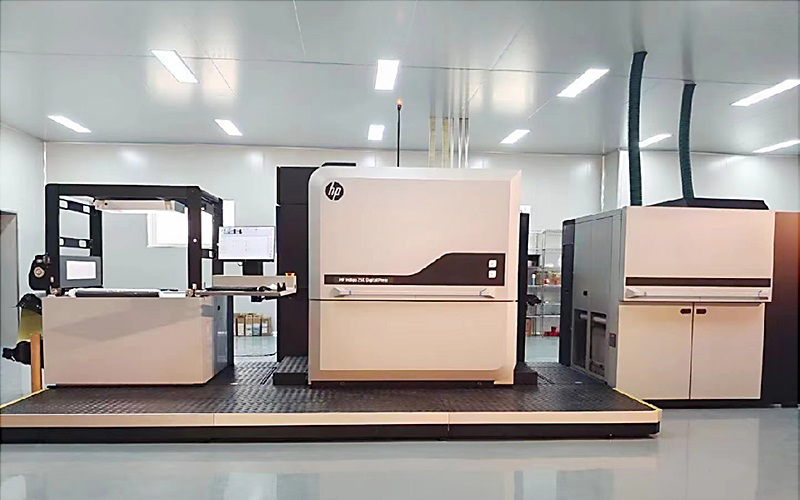
In October 2021, integrated HP INDIGO 25K digital printing press for plate-free micro-customization.
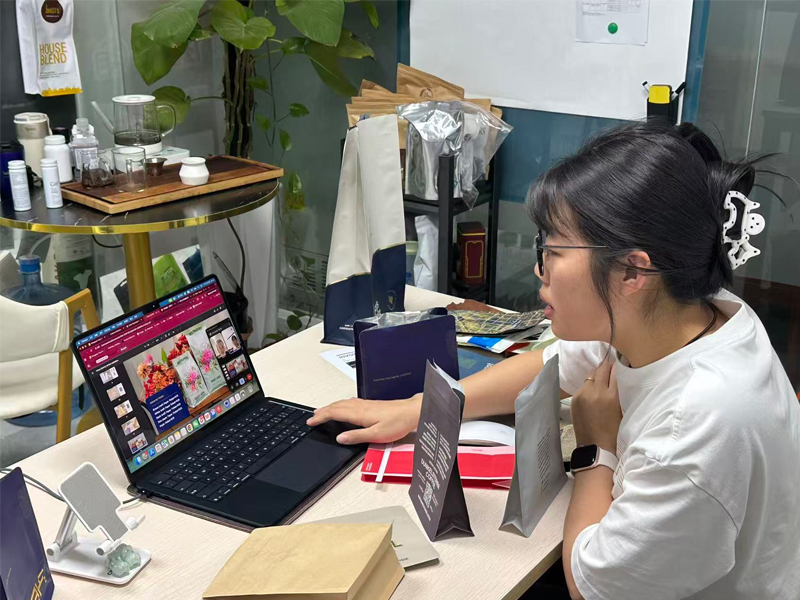
Improve customer experience through online video confirmation: One of the keys to meeting customer needs is providing excellent pre-sales service, establishing a solid foundation for long-term partnerships. We provide dedicated 1-on-1 consultations, digital proofing, and live video structural confirmations.
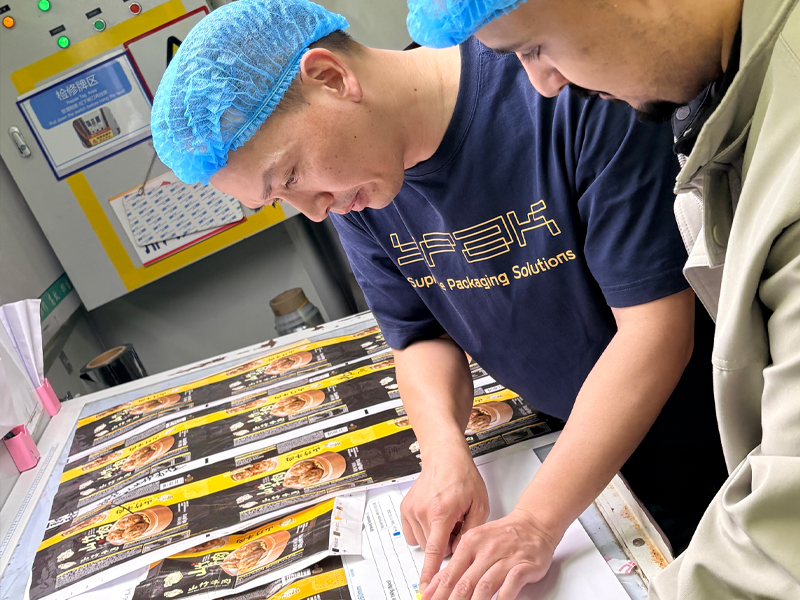
Maintaining complete control over the production process: We ensure a seamless transition from order placement to final delivery. By closely monitoring each stage of printing, lamination, and pouch-making, we send real-time production photos and videos so clients can visualize their product's progress.
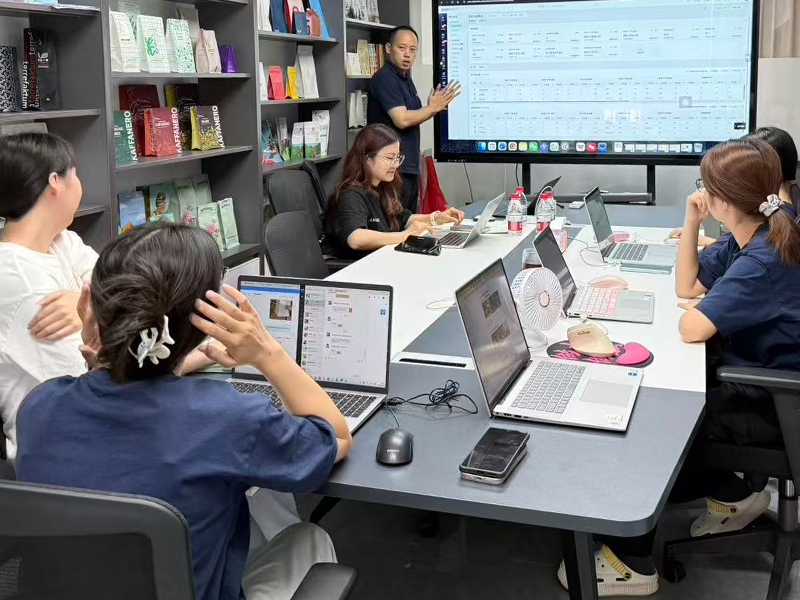
Long-term partnership & quality assurance: Exceptional after-sales support guarantees complete client satisfaction. Through structured feedback channels, batch tracking, and performance guarantees, we support your brand's growth and market expansion over time.
With premium ceremonial matcha commanding top retail prices, anti-counterfeiting digital tracking (variable QR codes printed via HP Indigo) allows consumers to verify harvest origin, tea cultivar, and pesticide test reports instantly.
Emerging EVOH nano-coatings on oriented PE films eliminate the need for metallic aluminum layers while matching foil's oxygen barrier capabilities, opening 100% closed-loop recycling avenues for European brands.
Modern consumers connect visually and tactilely. Combining super-matte soft-touch coatings with raised gloss spot-UV patterns creates a sensory unboxing experience that reinforces premium product positioning.
Expert answers to technical, commercial, and regulatory queries for sourcing 50g matcha pouches from China.
 YPAK PACKAGING