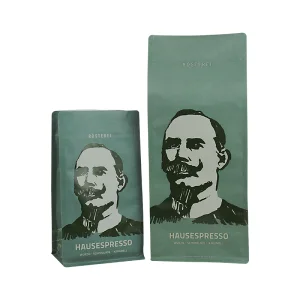
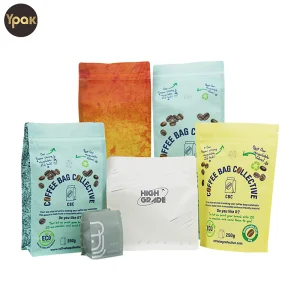
Explore high-barrier pouch designs, biodegradable film configurations, and high-speed valve integrations.
Analyzing why the 250-gram (8.8 oz) format has established dominance across specialty coffee retail, ecommerce subscription models, and commercial roasting operations globally.
Within the international coffee market, the 250g pouch represents the precise equilibrium point between retail shelf pricing, bean freshness optimization, and domestic consumption velocity. A 250g volume typically yields 15 to 18 standard pour-over or espresso extractions, matching the typical 7-to-10-day peak freshness window after opening for average household consumers.
For specialty roasters, this weight class enables a accessible price point for single-origin microlots, encouraging consumers to sample exotic varieties without the financial barrier of 1kg bulk bags. Supply chain economics further favor 250g pouches due to optimized corrugated outer carton loading factors, maximizing volumetric efficiency during sea and air freight.
Roasted coffee beans emit significant amounts of Carbon Dioxide (CO₂)—up to 10 liters per kilogram—over the 14 days post-roasting. Simultaneously, organic volatile aroma compounds, primarily aldehydes, pyrazines, and furans, undergo rapid oxidative degradation upon contact with molecular Oxygen (O₂).
To retain volatile aromatic peaks, modern 250g packaging must incorporate engineered laminate structures with ultra-low Oxygen Transmission Rates (OTR < 0.5 cm³/m²/day) and Water Vapor Transmission Rates (WVTR < 0.5 g/m²/day), integrated with high-efficiency one-way degassing valves.
How Southern China's flexible packaging hubs leverage integrated material science, vertical automation, and digital printing platforms to deliver world-class 250g coffee bags.
China's packaging clusters, particularly in the Guangdong region (Foshan and Dongguan), host integrated supply ecosystems ranging from polymer resin synthesis to high-precision film extrusion, lacquering, and valve assembly within a 50-kilometer radius. This geographic density eliminates long lead-time supply bottlenecks, allowing rapid adaptation to global material market fluctuations.
The integration of advanced press technology, such as the HP Indigo 25K industrial digital press, allows Chinese manufacturers to bypass expensive rotogravure plate creation. Roasters can execute multi-SKU product runs, seasonal microlots, and promotional packaging with zero cylinder fees, photorealistic 7-color printing, and minimal minimum order quantities (MOQs).
Leading Chinese exporters maintain international food safety accreditations, including BRCGS (AA Grade), ISO 22000:2018, and US FDA food contact compliance. Continuous inline automated inspection systems utilize high-resolution optical cameras to scan 100% of manufactured pouches for seal integrity, print registration, and valve placement accuracy.
A technical breakdown of multilayer film structures, sustainable mono-materials, and degassing mechanisms.
| Material Configuration | Structure Layers | OTR Performance | WVTR Performance | End-of-Life / Sustainability |
|---|---|---|---|---|
| High-Barrier Traditional Foil | PET / VMPET / PE or Matte Kraft / AL / PE | < 0.1 cm³/m²/24h | < 0.1 g/m²/24h | Landfill / Energy Recovery |
| Recyclable Mono-PE Pouch | MDO-PE / High-Barrier EVOH-PE | < 0.8 cm³/m²/24h | < 0.8 g/m²/24h | 100% Recyclable (RIC #4 PE Stream) |
| Industrial Compostable Structure | Kraft Paper / PLA / High-Barrier NKME | < 1.5 cm³/m²/24h | < 2.0 g/m²/24h | EN 13432 / ASTM D6400 Certified Compost |
| Ultra-Clear EVOH High-Barrier | PET / EVOH-PE or PET / ALOX / PE | < 0.5 cm³/m²/24h | < 0.5 g/m²/24h | Standard Waste Stream / Downcyclable |
Off-gassing creates positive pressure inside sealed coffee pouches. Without a venting mechanism, sealed 250g bags risk ballooning and bursting during transit or store storage. Swiss-engineered WIPF valves or high-precision Chinese equivalent hydrophobic valves open at micro-pressures (approx. 2 to 5 mbar) to vent CO₂ while instantly sealing against atmospheric oxygen ingress. Valves can be specified with internal particle filters to prevent fine coffee dust from compromising the rubber seal diaphragm.
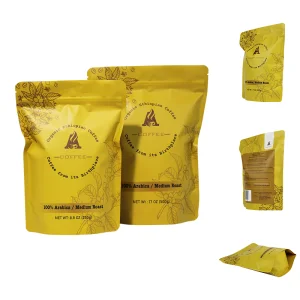
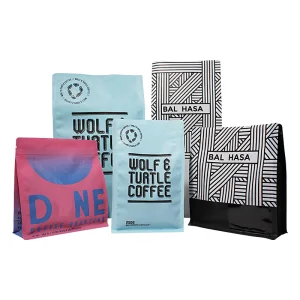
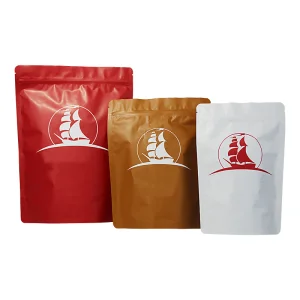
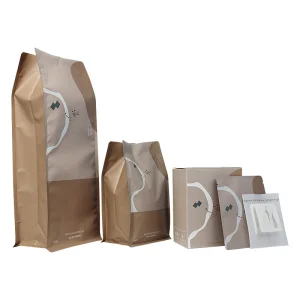
The 250g standard is offered in four main structural styles:
Combining over a decade of continuous technological innovation with world-class cleanroom manufacturing environments.
Founded in 2011, YPAK Packaging Group operates three state-of-the-art facilities across Hong Kong, Dongguan, and Foshan, positioning itself as a leader in high-performance flexible packaging. Our Foshan and Dongguan production facilities hold prestigious BRCGS Food Safety and ISO 22000:2018 certifications, maintaining strict atmospheric contamination controls and batch traceability systems.
We feature Swiss WIPF one-way degassing valves as a standard option across our custom product lines, ensuring roasters receive optimal shelf-life protection. Through our investment in HP Indigo 25K digital printing platforms, we eliminate plate charges and minimum order restrictions, empowering fast-growing brands to bring customizable, limited-edition designs to market efficiently.
YPAK maintains a 99.5% on-time delivery metric, backing global roasting supply chains across North America, Europe, Australia, and Asia with circular economy options including mono-PE recyclable and EN 13432 certified compostable pouch formats.
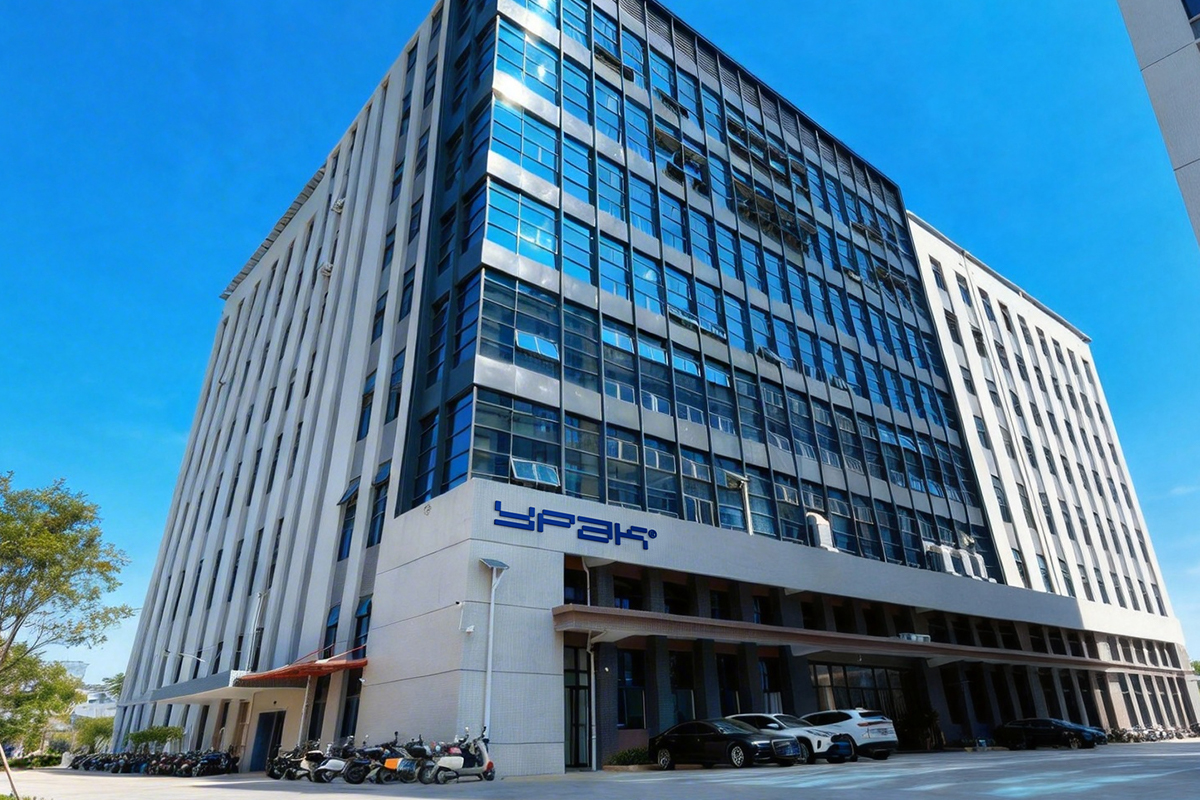
Providing seamless technical support across pre-sales design, mid-sales production tracking, and after-sales quality assurance.
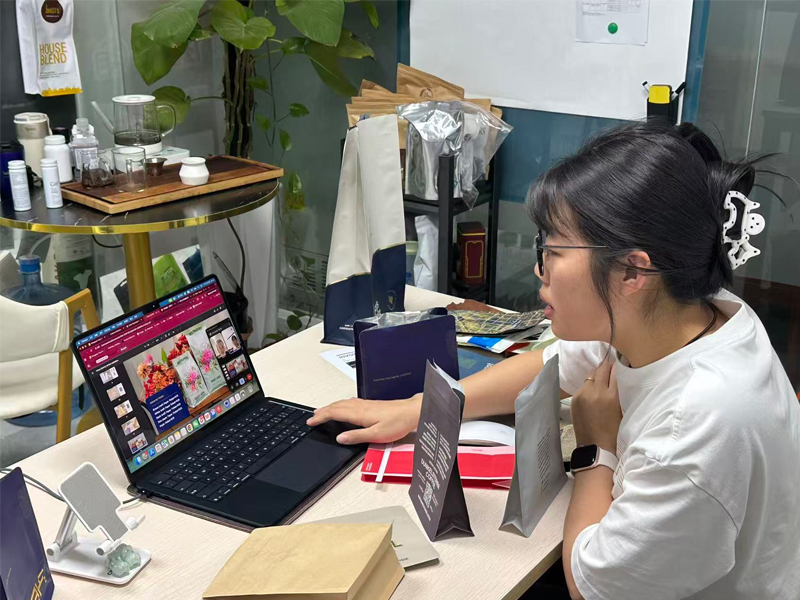
YPAK removes geographical barriers through direct video consultations, physical sample kit dispatches, and real-time prepress artwork proofing. Engineers guide clients through material layer selection based on roasted bean gas-off profiles, shelf-life requirements, and local plastic recycling regulations.
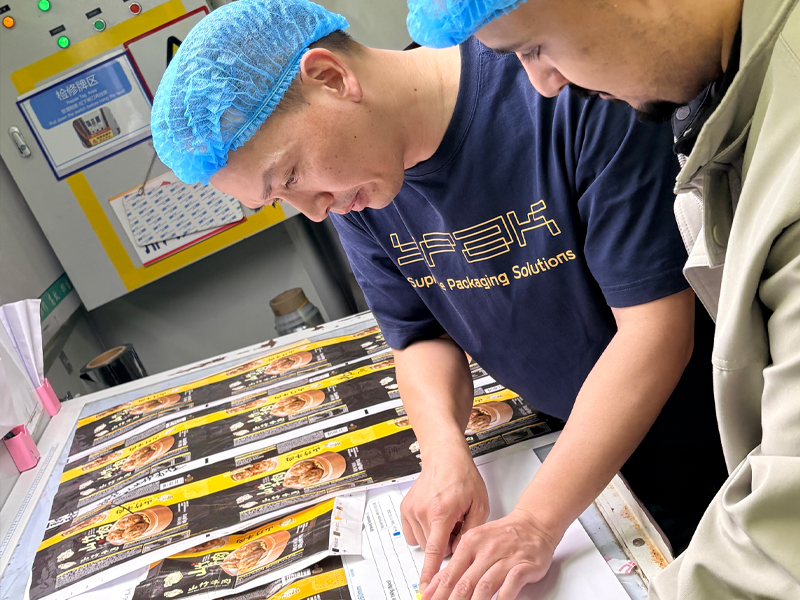
During extrusion, printing, lamination, and pouch converting, clients receive regular video updates, ink density scan records, and seal strength test data. This real-time visibility ensures production aligns with exact design files and delivery timelines prior to export packing.
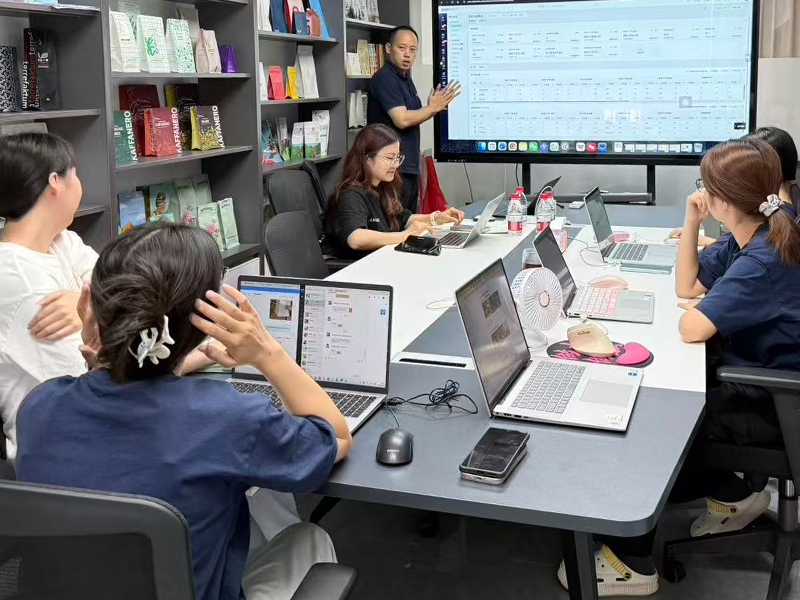
YPAK stands behind every shipment with complete batch traceability and warranty policies. Dedicated account teams collect post-delivery feedback, optimize re-order workflows, and assist clients in updating artwork for seasonal coffee rollouts.
A procedural checklist for packaging managers, purchasing officers, and specialty coffee brand directors importing from China.
Bean density varies based on roast level (light roasts are denser than dark roasts). While a standard 250g pouch volume is roughly 750cc to 900cc, custom die-line adjustments ensure the pouch presents a full appearance on-shelf without bursting seal limits during automated filling.
Ensure your Chinese supplier provides certified testing results according to international testing standards:
Modern 250g coffee packaging relies on tactile differentiation. Advanced Chinese manufacturing lines support dynamic surface finishes, including:
Addressing common technical and purchasing inquiries regarding China 250g coffee bag manufacturing.
Digital printing production cycles (e.g., via HP Indigo 25K) typically take 10 to 14 business days following artwork sign-off. Rotogravure cylinder-printed runs require 18 to 22 business days for cylinder engraving, multi-layer extrusion, and pouch conversion. Express air freight takes 5–7 days globally, while ocean shipping ranges from 18 to 35 days depending on the destination port.
Mono-PE (Polyethylene) pouches utilize oriented MDO-PE film laminated to high-barrier EVOH-PE sealing layers. While legacy foil laminates offer near-zero OTR, modern mono-PE structures achieve OTR values below 0.8 cm³/m²/24h, providing up to 12 months of fresh shelf life. Mono-PE pouches can be fully recycled within curbside Low-Density Polyethylene (LDPE #4) collection streams.
Freshly roasted coffee continuously releases CO₂ gas. A one-way degassing valve allows this trapped gas to escape without allowing ambient atmospheric oxygen or moisture to enter the pouch. Without a high-performance valve, sealed coffee pouches balloon, risk seam ruptures, and accelerate staling due to trapped ambient oxygen.
Through YPAK's digital printing setup, MOQs start as low as 500 to 1,000 units per design SKU, eliminating high upfront plate expenses. For mass-production gravure printing runs, MOQs start at 10,000 units per SKU, offering optimal unit-cost economics for large roasters.
Explore our complete catalog of flat bottom pouches, specialty filter bags, and custom labeling accessories.
 YPAK PACKAGING