Barrier Packaging Shelf Life is a critical aspect of the food and pharmaceutical industries. It refers to how long products remain protected and effective while stored in barrier packaging. According to a recent report by TechNavio, the global barrier packaging market is expected to grow by 6.5% annually, highlighting its increasing significance.
Daniel Smith, an industry expert, states, "Understanding barrier packaging shelf life can mean the difference between a trusted product and a failed one." This emphasizes the urgency of comprehending shelf life implications. Key factors influencing this lifespan include environmental conditions and the types of materials used. If not properly considered, products may deteriorate faster than anticipated.
Moreover, many businesses overlook the subtleties of barrier performance. The right packaging can enhance product longevity and reduce waste. However, not all packaging solutions are created equal. Companies must reflect on their current choices to ensure quality and safety. In a competitive market, awareness of Barrier Packaging Shelf Life is not just beneficial; it's essential for success.
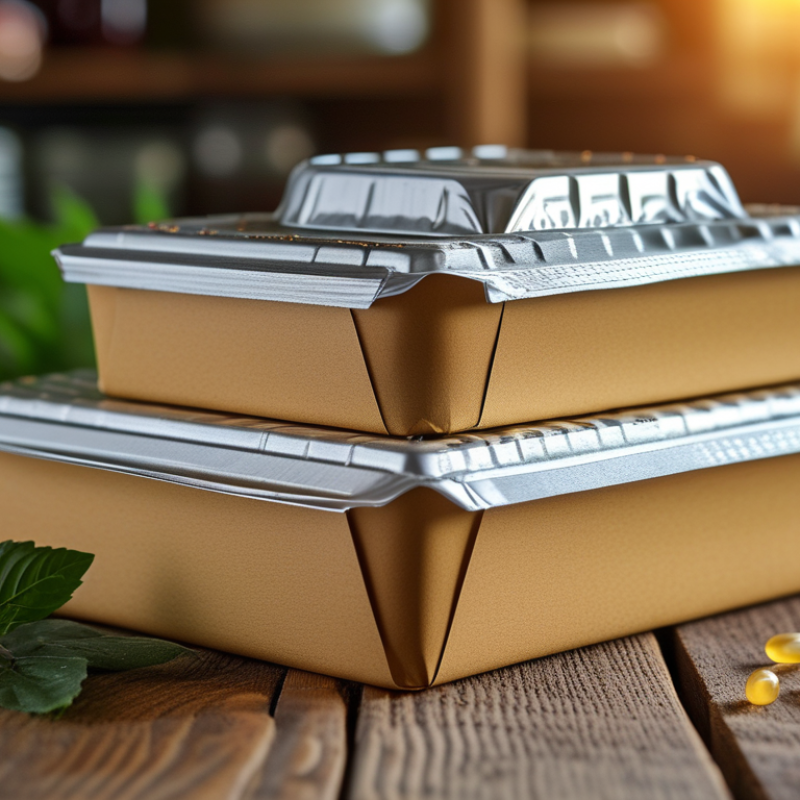
Barrier packaging plays a crucial role in preserving product quality. It refers to materials designed to prevent moisture, oxygen, and light from affecting the contents. This is vital for food, pharmaceuticals, and electronics, where shelf life directly impacts usability. Proper barrier packaging extends freshness and ensures safety, making it essential for manufacturers and consumers alike.
Choosing the right packaging material is critical. Different products require unique barrier properties. For instance, food items may need high moisture resistance, while electronic components benefit from static shielding. Regular evaluations of packaging integrity can help identify any flaws, leading to timely replacements.
Always consider the environment when choosing barrier materials. Many eco-friendly options are available, but they might not offer the same protective qualities. Testing and comparing different types can reveal surprising results. As technology advances, finding an optimal balance between durability and sustainability becomes essential.
Barrier packaging plays a crucial role in extending shelf life by protecting products from environmental factors. Research indicates that packaging materials can reduce oxygen transfer rates significantly, often by up to 99%, which directly impacts product freshness. A report from the Food and Drug Administration confirms that shelf life directly correlates with packaging integrity. Properly sealed barrier packaging can extend the shelf life of items like snacks and processed foods from months to years.
It's essential to understand the scientific principles behind shelf life. Moisture control, light exposure, and oxygen levels are key factors. A study published in the Journal of Agricultural and Food Chemistry highlights that certain barrier films can absorb moisture, thus preventing spoilage. This technology ensures that products retain their quality over time. Many manufacturers are shifting towards advanced barrier materials for better performance, demonstrating a clear trend in the market.
Tips for consumers: Always check the packaging date. Even with high-quality barrier packaging, products can lose flavor or texture over time. Store items in a cool, dry place to maximize freshness. Reflecting on daily habits, consider how often you access products and how that may affect their shelf life.
Barrier packaging plays a crucial role in extending the shelf life of various products. Several factors influence how long these packages maintain their integrity. Oxygen exposure is a primary concern; it can lead to spoilage. Additionally, moisture control is vital. Excess humidity can result in mold or degradation of the product. Therefore, selecting the right materials for barrier packaging is essential.
Temperature fluctuations also affect shelf life. A consistent temperature prevents condensation and avoids compromising the package's barrier properties. Light exposure cannot be overlooked either. UV rays may degrade certain products, diminishing their quality over time. Packaging must effectively block out harmful light to retain freshness.
Lastly, the packaging's design impacts usability. If consumers struggle to open it, they may waste the product. Reflecting on these factors, manufacturers need to strike a balance between durability and user-friendly design. Quality control during production is equally important. Regular testing ensures that barrier properties meet required standards.
This chart illustrates how various factors of barrier packaging influence the shelf life of packaged products in terms of months. Understanding these factors is crucial for ensuring product longevity and quality.
Barrier packaging plays a crucial role in maintaining food safety and quality. According to a report from the Food Processing Industry, about 25% of packaged food products spoil due to ineffective packaging. This statistic emphasizes the need for robust barriers that protect against moisture, oxygen, and light that could compromise food integrity.
The use of barrier materials significantly extends shelf life. Research from the Institute of Food Technologists highlights that effective barriers can reduce spoilage rates by up to 50%. This not only enhances the safety of food products but also reduces food waste. Moreover, consumers are becoming more aware of the importance of packaging in preserving nutritional value and flavor.
Despite advancements, challenges remain. Not all barrier materials are recyclable, leading to environmental concerns. Additionally, some barriers may impact the sensory qualities of food, causing undesirable changes in texture or taste. Continuous research is necessary to improve barrier technology while addressing sustainability.
Barrier packaging plays a crucial role in many industries. It helps in extending the shelf life of products by preventing the ingress of moisture, oxygen, and light. These elements can degrade food, pharmaceuticals, and electronics. For example, in the food industry, barrier packaging maintains freshness and flavor. Vacuum-sealed bags and foil pouches are commonly used. They keep snacks crunchy and meats tender.
In pharmaceuticals, barrier packaging safeguards sensitive medicines. It reduces contamination risks and ensures product integrity. Consider a blister pack for tablets. It provides an airtight seal that prevents moisture damage. In electronics, packaging protects against moisture and static. This is vital for preserving sensitive components.
However, the environmental impact of barrier packaging needs consideration. Many materials are not recyclable. This raises questions about sustainability. Some industries are exploring biodegradable options. There is a balance between product protection and environmental responsibility. Further innovation is needed to tackle these challenges.
| Industry | Typical Shelf Life (Months) | Barrier Type | Factors Affecting Shelf Life |
|---|---|---|---|
| Food and Beverage | 6-24 | Multi-layer film | Oxygen levels, moisture, temperature |
| Pharmaceuticals | 12-36 | Aluminum foil | Light exposure, humidity |
| Cosmetics | 6-24 | Plastic laminate | Air exposure, temperature |
| Electronics | 12-24 | Moisture barrier bags | Humidity, temperature |
: Barrier packaging protects products from moisture, oxygen, and light. It plays a key role in maintaining product integrity.
Oxygen exposure can lead to spoilage. It’s crucial to minimize oxygen contact in packaged products.
Excess moisture can cause mold or product degradation. Thus, managing humidity is vital for product preservation.
Temperature changes may lead to condensation. Keeping a stable temperature helps maintain barrier properties.
UV rays degrade some products over time. Packaging should block harmful light to keep products fresh longer.
Difficult-to-open packages can lead to wasted product. A balance of durability and usability is essential.
Effective barriers can halve spoilage rates. This enhancement promotes safety and reduces wasteful practices.
No, some barrier materials are not recyclable. This presents challenges for sustainability and environmental impact.
Yes, some barriers can alter texture or taste. This impact must be considered alongside their protective qualities.
Regular testing is critical. It ensures that barrier properties meet required standards and maintain product safety.
Barrier Packaging Shelf Life is a critical aspect of packaging that ensures the longevity and quality of contents, particularly in the food industry. Barrier packaging serves as a protective layer that prevents the infiltration of oxygen, moisture, and light, which are key factors that can degrade product quality over time. Understanding the functions of barrier packaging, along with the scientific principles governing shelf life, can help industries optimize their packaging solutions to enhance product stability.
Various factors, including the materials used, environmental conditions, and the nature of the packaged product, significantly influence the shelf life of barrier packaged goods. The importance of maintaining optimal barrier packaging cannot be overstated, as it plays a vital role in ensuring food safety and preserving nutritional quality. In numerous sectors, from food to pharmaceuticals, effective barrier packaging solutions are essential for extending shelf life and ensuring consumer satisfaction.

YPAK PACKAGING