Barrier packaging plays a vital role in preserving product integrity. It protects items from external factors like moisture, oxygen, and light. This type of packaging ensures longer shelf life and maintains quality. Companies can enhance customer satisfaction by implementing effective barrier solutions.
Barrier testing is equally important. It assesses the effectiveness of packaging in real-world conditions. Through such testing, manufacturers can identify potential weaknesses and improve designs. Testing ensures that products remain safe and effective, meeting consumer expectations.
In a world where quality is crucial, the need for reliable barrier packaging and thorough barrier testing cannot be overstated. A lapse in either can lead to compromised products. Companies must continually review strategies to enhance packaging performance. This leads to better outcomes for both businesses and consumers.
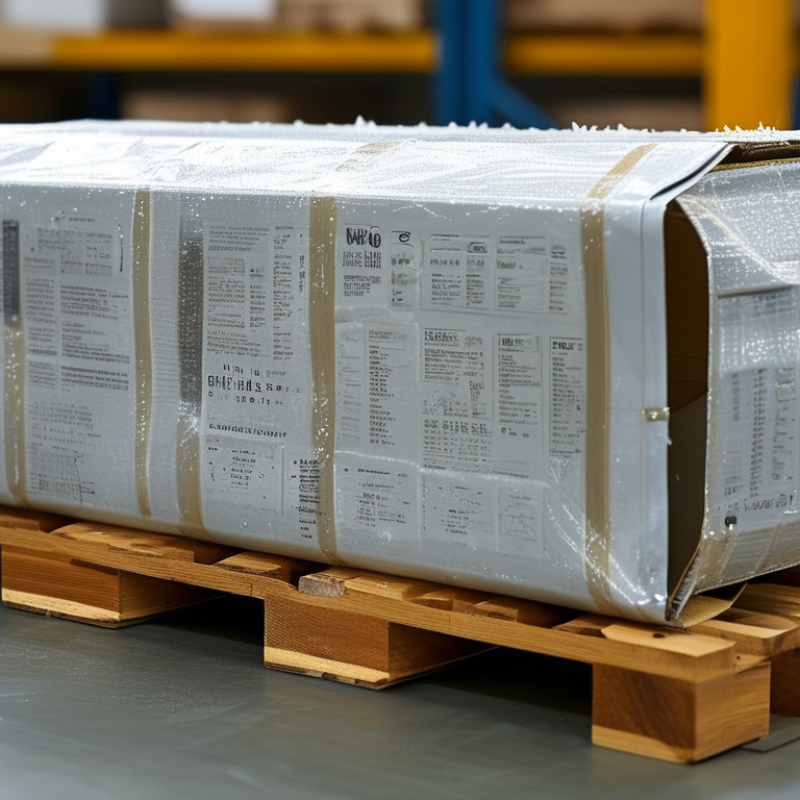
Barrier packaging is a crucial component in preserving the quality and safety of products, especially in food and pharmaceuticals. This type of packaging uses materials that prevent the penetration of gases, moisture, and contaminants. By creating a protective barrier, it ensures that the contents remain fresh and effective for a longer duration. Understanding the specific characteristics of barrier materials is essential for manufacturers aiming to enhance product longevity.
When considering barrier packaging, it’s important to evaluate the material's properties. Some materials are better at blocking oxygen, while others excel at moisture resistance. Choosing the right combination can significantly impact product integrity. Test different combinations for optimal results and ensure that the selected materials suit your specific needs.
Focus on empirical testing methods to gauge barrier performance. This testing helps in understanding how various elements affect the packaging. Gather data on factors like temperature, humidity, and storage conditions. Observing how these conditions interact with your barrier can refine your packaging approach and improve reliability. Remember, continuous improvement in barrier packaging is vital for maintaining product quality.
| Dimension | Description | Importance |
|---|---|---|
| Gas Barrier | Restricts gas permeation to protect contents. | Prevents spoilage and maintains freshness. |
| Moisture Barrier | Blocks moisture ingress or egress. | Essential for maintaining product quality. |
| Light Barrier | Prevents light exposure that can degrade contents. | Preserves color, flavor, and nutritional value. |
| Chemical Barrier | Protects contents from chemical reactions. | Ensures safety and extends shelf life. |
| Impact Resistance | Ability to withstand physical forces. | Reduces product damage during transportation. |
Barrier packaging plays a vital role in preserving the quality of products. Different types of barrier materials are used in this packaging method. Common materials include metals, plastics, and glass. Each type serves specific purposes based on their unique properties. For instance, aluminum foil provides excellent air and moisture protection. Plastic films can offer flexibility and lightweight options. Glass provides an impermeable barrier against gases and liquids.
When selecting barrier materials, it’s crucial to consider the product’s needs. Not all materials are equally effective for every application. Packaging for food may require higher moisture barriers than packaging for non-perishables. Environmental conditions like temperature and humidity also influence material choice. While many companies use standard materials, sometimes innovative approaches are overlooked.
Improper material selection can lead to degraded product quality. Testing barrier properties helps to ensure longevity. Manufacturers often face challenges in balancing cost and effectiveness. They might stick to traditional choices, but emerging materials could provide better results in the long run. Regular assessment and updates to packaging materials reflect a commitment to improvement.
Barrier packaging is crucial for maintaining product integrity. It provides protection against moisture, oxygen, and light, which are major factors that can degrade food and pharmaceutical products. According to a recent report from Packaging Strategies, effective barrier packaging can extend the shelf life of food items by up to 50%. This is particularly important as consumers increasingly demand fresher products with longer expiration dates.
Selecting the right barrier material can make a significant difference. Materials such as aluminum foil and specialized polymers provide excellent barrier properties. Research indicates that products packaged in high-barrier materials experience less spoilage and better retention of flavor and nutrients. A study from the Flexible Packaging Association highlights that flexible barrier packages can reduce food waste by 20%. This not only benefits consumers but also contributes to sustainability efforts.
When considering barrier packaging, think about the specific requirements of your product. Moisture-sensitive items need stronger barriers. Moreover, keep in mind that not all barrier solutions are created equal, and performance can vary. Regular testing is essential to validate that the packaging meets the necessary standards. Investing in the right testing can prevent costly impacts on brand reputation and ensure product safety.
Barrier testing is crucial for determining how well packaging protects its contents. This testing assesses how effectively a package can prevent external factors like moisture, oxygen, and contaminants from entering. Each product is unique, requiring specific tests to determine appropriate barrier characteristics. Effective barrier packaging helps prolong shelf life, ensuring that products remain safe and effective.
Different methods are used in barrier testing. The most common techniques include gas permeation tests, humidity tests, and vacuum tests. These methods measure how much gas or moisture can penetrate the packaging over time. For instance, a gas permeation test might reveal how quickly oxygen enters a package, crucial for food preservation. While these methods provide valuable data, interpreting results can sometimes be tricky.
Choosing the right barrier testing method is essential. Understand your product's requirements first. Consider factors like temperature, humidity, and intended shelf life. Reliable testing can save time and resources. Data gleaned from barrier testing not only aids in product development but also enhances consumer safety. Always be prepared to adjust packaging strategies based on testing outcomes for better results.
Barrier testing is crucial for ensuring the effectiveness of packaging that protects products from external elements. One major challenge in barrier testing lies in the variability of materials used in packaging. Different polymers and coatings can have unique barrier properties, creating inconsistencies in test results. This unpredictability complicates the development of reliable testing standards, making it difficult for manufacturers to benchmark their products against industry norms.
Another challenge is the simulation of real-world conditions. Laboratory tests may not fully replicate the environments products encounter during storage and transportation. Factors such as humidity, temperature fluctuations, and exposure to light can significantly affect barrier performance. Innovators are exploring new testing methodologies to close this gap and improve accuracy.
Future directions in barrier testing point towards more integrated approaches that consider sustainability and lifecycle impact. As packaging regulations evolve, the industry must adapt to stricter environmental standards. Researchers are investigating biodegradable materials and their barrier properties. However, achieving optimal performance without harming the environment remains an open question. This highlights the need for ongoing research and development in barrier packaging solutions.
: Common materials include metals, plastics, and glass, each serving unique purposes based on their properties.
Selecting the right material is crucial for preserving product quality and meeting specific needs.
Products like food may need higher moisture barriers. Non-perishables might not require the same level.
Variability in materials leads to inconsistencies in testing results, complicating standard development.
Laboratory tests often fail to replicate factors like humidity and temperature which impact barrier performance.
Future efforts may focus on sustainability and exploring biodegradable materials while ensuring effective performance.
Improper choices can lead to product quality degradation, affecting customer satisfaction and brand reputation.
Regular assessments and updates to materials showcase a commitment to innovation and performance improvement.
Yes, innovative materials may provide better results but sometimes are overlooked in favor of traditional options.
How to achieve optimal barrier performance while minimizing environmental impact remains an important research area.
Barrier packaging refers to materials and structures that protect products from external contaminants, moisture, oxygen, and other environmental factors that can compromise their integrity. Various barrier materials, such as plastics, metals, and coatings, are utilized to enhance the protective capabilities of packaging, ensuring that products remain fresh and effective for longer periods. The key benefits of barrier packaging include extended shelf life, improved product safety, and reduced waste, making it an essential aspect of modern packaging solutions.
Barrier testing is crucial for evaluating the effectiveness of these packaging materials. It involves various methods that measure how well a package resists permeation and degradation over time. Despite the advancements in barrier testing methods, challenges remain, including the need for standardized testing procedures and the ability to simulate real-world conditions accurately. Future directions in barrier packaging and barrier testing focus on innovation and sustainability to meet evolving consumer needs while addressing the complexities of material performance.

YPAK PACKAGING